

How to Feminize Autoflower Seeds: Challenges, Techniques & What Actually Works
Feminizing autoflower seeds is harder than it looks — and most guides skip the part where things go wrong. At theStonerReview.com, we address these realities head-on. Success is achievable with quality protocols, but shortcuts often lead to unstable progeny, reduced vigor, or hermaphroditism.
Here's the complete breakdown of why autoflower feminization is uniquely challenging, which techniques work best, and how to avoid the most common mistakes.

Why Autoflowers Are Harder to Feminize Than Photoperiods
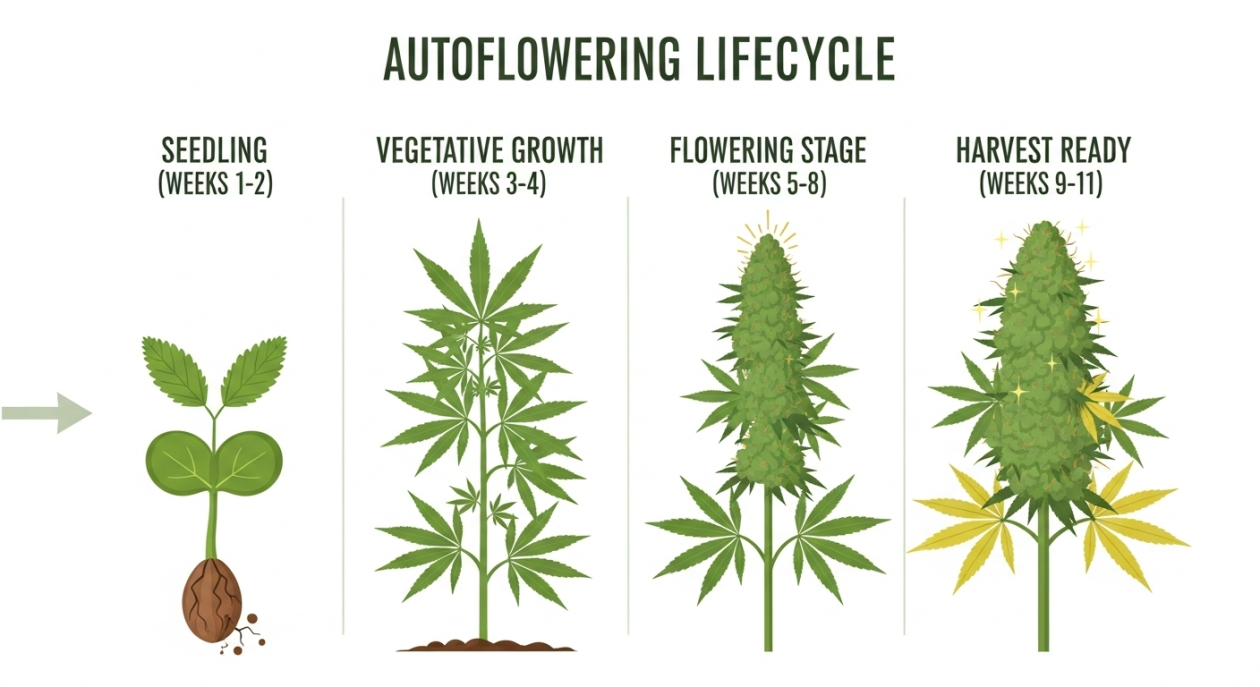
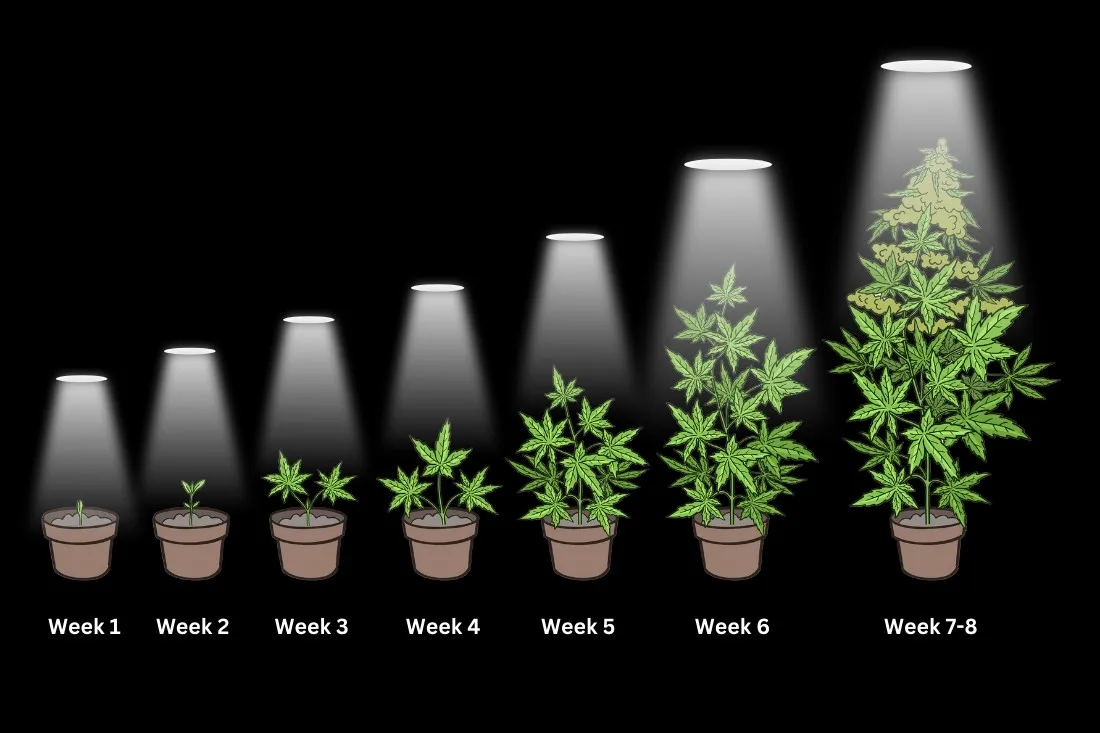
Autoflowers carry Cannabis ruderalis genetics that trigger flowering based on age rather than light cycle. That compressed timeline — typically 8–12 weeks seed to harvest — creates a narrow window for reversal treatments and leaves little room for error.
- Narrow Application Window — Autoflowers transition from veg to flower around weeks 3–5 from seed, leaving a short window for reversal treatments. Delay too long and you risk incomplete pollen production or interference with bud development. Photoperiod females allow extended veg phases for recovery; autos don't.
- Heightened Stress Sensitivity from Ruderalis Genetics — Ruderalis contributes the autoflowering trait but also increases susceptibility to chemical or environmental stress. STS or colloidal silver can stunt growth, reduce yields, or trigger hermaphroditic expressions in the reversed plant and its offspring. Over-application causes leaf burn, reduced pollen viability, or overall plant decline.
- Maintaining the Autoflowering Trait — The auto trait is recessive. When feminizing, breeders must use two autoflowering parents (or backcross strategically) to lock in consistent day-neutral flowering. Crossing a reversed auto female with a photoperiod produces semi-autos or inconsistent progeny. Stabilizing requires multiple generations of selection.
- Hermaphroditism and Genetic Stability Risks — The feminization process itself introduces stress that can pass on intersex tendencies. Autos already carry some natural hermie risk under suboptimal conditions; poorly executed feminization amplifies this, leading to “nanners” in commercial grows. Reputable breeders mitigate this through rigorous pheno-hunting and testing.
- Lower Pollen Yield and Viability — Autoflowers produce smaller plants with fewer flowering sites. Reversed autos may yield less pollen than photoperiods, complicating large-scale seed production. Pollen must be collected and applied quickly due to the rapid cycle.
Which Technique Works Best for Autos?
- STS (Silver Thiosulfate) — Preferred for higher pollen output and fewer applications. Apply early (around week 3–4) at lower concentrations to minimize toxicity. Many growers report success with 1–3 sprays, but monitor closely for stunting.
- Colloidal Silver — Requires daily spraying (10–14 days) starting early. Concentrations of 30–60 ppm are common sweet spots, but residue buildup can damage autos more severely than photoperiods.
- Rodelization — Least reliable for autos due to their already stressed, fast cycle — often results in minimal pollen and high hermie transmission. Not recommended.
Best Practices to Maximize Success
- Select robust, stable autoflower genetics as mother plants.
- Start reversal treatments early and isolate the reversed plant.
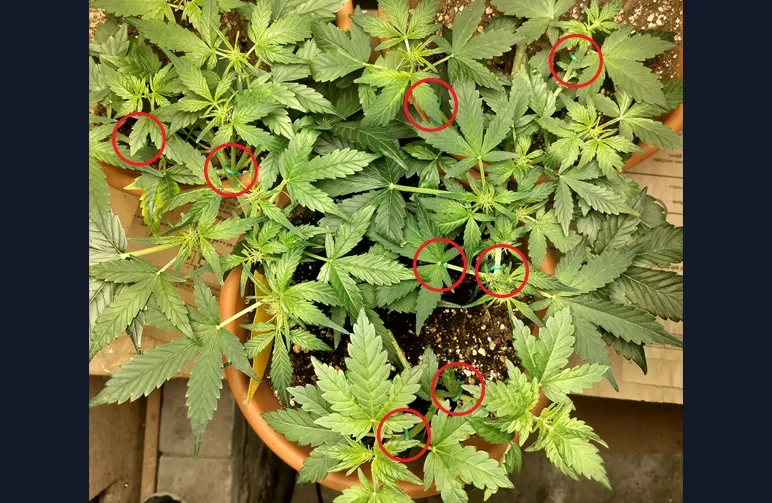
- Use minimal effective doses; test on a single branch first.
- Grow out progeny in numbers (30+) and rigorously cull any hermies or off-types.
- Maintain optimal conditions: consistent environment, 18/6 or 20/4 light schedule, moderate nutrients, and low stress.
- Source or collaborate with established breeders who publish stability data.
Feminized autoflowers deliver convenience and speed for modern cultivators, but the challenges underscore why professional lines command premium pricing. Working on a specific reversal or running into issues? Drop the details in the comments — strain, technique, and week — and we'll troubleshoot together.
More field-tested grow guides, strain reviews, and culture at theStonerReview.com/blog.
Grow the Plant. Wear the Culture.
The growers who put in the work deserve gear that matches the craft. Our cannabis streetwear is built for the ones who actually know what they're doing in the tent.

Check out the Free the Green Hoodie — a statement for the ones who believe the plant deserves better. Or grab the Pothead Society Classic Tee for the grow room and beyond.
Browse the full collection at The Stoner Review →
Nose First, Percentage Second
Lab printouts are useful. They are not the whole story. A cut that smells loud, cured clean, and burns white will outperform a bigger THC number that tastes like cardboard. Ask for the nose. Ask who grew it. Ask what the jar smelled like when it opened — not just what the sticker claims.
At The Stoner Review we score what we actually smoke: flavor, effect shape, ash, and whether we would buy it again with our own money. That is the difference between a menu write-up and a field note.
Keep Reading on The Stoner Review
More field notes from the same smoke-stained notebook:
Find more gritty, honest stories, strain reviews, travel guides, and multi-minded stoner perspectives at theStonerReview.com/blog.


