

Barcelona's Weed Scene in 2026: Private Cannabis Social Clubs in the Heart of Catalonia – A Stoner's Tale
Picture this: It's a sunny April afternoon in 2026, and you're wandering the vibrant streets of Barcelona's Gràcia or El Raval neighborhoods. Gaudi's architecture looms overhead, tapas bars buzz, and tucked away in unassuming buildings are the city's famous cannabis social clubs—private, members-only spots where the plant flows freely behind closed doors. No neon storefronts like Amsterdam, no open dispensaries on every corner. Instead, you get a low-key buzz: comfy lounges, friendly locals sharing joints, and that unmistakable herbal cloud mixing with Mediterranean sea air. This is Spain's unique "cannabis club" model in action—decriminalized private consumption in a legal gray area that's made Barcelona a top European weed destination.


Spain decriminalized personal use and cultivation decades ago, but public consumption and sales remain illegal. The twist? Non-profit cannabis social clubs (CSCs) let members "co-own" grows and consume on-site. In Barcelona, hundreds of clubs operate—some sleek and modern with aquariums and leather couches, others artsy and bohemian with murals and chill vibes. Tourists can often join with an invitation or quick signup (bring ID, sometimes a local address reference), though rules tightened under city pressure. As of 2026, Barcelona's council continues crackdowns on problematic clubs, pushing for closures and stricter zoning, but the scene endures with resilient operators. Many clubs emphasize quality, community, and discretion—no hard sells, just good herb and good times.

The Growing Boom: From Illicit Fields to Club-Supported Cultivation
Spain's cannabis cultivation has roots in both traditional outdoor grows (especially in the south) and the club system, where members fund and share home or facility-based production. The Mediterranean climate is perfect—sunny, mild winters—for outdoor and greenhouse ops, producing flavorful landrace-influenced strains. While commercial recreational sales are banned, medical cannabis production has surged, and clubs drive small-to-medium scale grows focused on quality over mass volume.
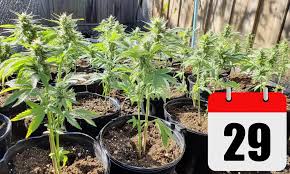

The broader market is booming quietly: Spain leads Europe in medical cannabis output in some years, with licensed facilities ramping up. Clubs help sustain a semi-regulated ecosystem—members pay fees that support cultivation, testing, and distribution within the private circle. Challenges include raids on illegal large-scale ops (often tied to organized groups in Almería or elsewhere) and regulatory uncertainty, but the scene pushes toward professionalism with better genetics, organic methods, and traceability. Outdoor fields thrive in rural areas, while indoor/greenhouse setups near cities serve the clubs. It's less industrialized than Canada or the Netherlands but full of passionate growers blending Spanish sunshine with modern tech.

Up close, the buds are the star—dense, resinous nugs with that classic European potency and terpene punch.

Right Now? A Resilient Private High
As of late April 2026, Barcelona's cannabis world is thriving in its private, club-centric way despite political headwinds. It's more intimate than Thailand's old Wild West or Amsterdam's coffee shops—expect to network for access, follow house rules, and enjoy a community feel. The growing side keeps evolving through club-supported farms and medical channels, building a foundation for potential future reforms. Respect the gray area (no public smoking, no photos inside clubs), and you'll find one of Europe's most authentic stoner experiences.
If you're heading there, research reputable clubs in advance, join as a member, and soak in the culture. Barcelona didn't go full commercial—it kept the plant personal, passionate, and protected. Stay lifted, stay discreet, and keep those reviews flowing. 🌿🇪🇸 What's your pick—Gràcia chill spot or a coastal strain hunt?

Field Notes, Not Brochure Copy
The Stoner Review writes from the smoke spot: what burned clean, what tasted like marketing, and what we would spend on again. If a claim cannot survive a real session, it does not survive our page.
How to Read This Like a Head
Take what helps. Ignore the flex. Cross-check jars with your own nose. The best cannabis writing should make you a sharper shopper, not a louder commenter.
Stay in the Room
Algorithms throttle. Brands rebrand. The circle outside still decides who gets the next light based on whether you feel real. Keep showing up for the culture that still remembers where it came from.
Keep Reading on The Stoner Review
More field notes from the same smoke-stained notebook:
Find more gritty, honest stories, strain reviews, travel guides, and multi-minded stoner perspectives at theStonerReview.com/blog.


