

Cannabis in College Curriculum (2026 Overview)
Cannabis in College Curriculum (2026 Overview)
Cannabis education has moved from fringe electives to structured, credit-bearing programs at universities and colleges across the US. Driven by industry growth, federal rescheduling momentum, and workforce demand (hundreds of thousands of jobs), higher education now offers everything from short certificates to full bachelor’s degrees. These programs blend science, business, law, and public health — preparing students for careers in cultivation, retail, compliance, product development, and research.

/filters:format(webp)/0x74:9167x5230/prod01/flcc-cdn-pxl/media/flccedu/content-assets/images/academics/conservation-horticulture/con_hort-greenhouse-studying_plant-2021-2c.jpg)
Cannabis education has moved from fringe electives to structured, credit-bearing programs at universities and colleges across the US. Driven by industry growth, federal rescheduling momentum, and workforce demand (hundreds of thousands of jobs), higher education now offers everything from short certificates to full bachelor’s degrees. These programs blend science, business, law, and public health — preparing students for careers in cultivation, retail, compliance, product development, and research.
Types of Cannabis Programs Available
- Certificates (most common entry point): 8–16 weeks, online or hybrid. Focus on specific skills (cultivation, retail, compliance, medical cannabis).
- Associate Degrees (A.A.S.): 1–2 years, hands-on training in horticulture, processing, or business.
- Bachelor’s Degrees: Multi-year programs in Cannabis Studies, Cannabis Biology & Chemistry, Medicinal Plant Sciences, or Cannabis Business.
- Graduate/Professional Certificates: For career changers or advanced study.
Standout College & University Programs (2026)
- Cal Poly Humboldt (CA): Bachelor of Arts in Cannabis Studies — focuses on social, environmental, and policy aspects.
- Colorado State University Pueblo: B.S. in Cannabis Biology and Chemistry — lab-focused with concentrations in hemp/agriculture, analytics, or natural products.
- Lake Superior State University (MI): B.S. in Cannabis Chemistry or Cannabis Business — strong emphasis on quantitative analysis, contaminants, and industry operations.
- University of Cincinnati: Cannabis Studies Certificate — multidisciplinary approach (business, design, policy).
- Rowan University (NJ): Multiple certificates (undergrad/grad) in Cannabinoid Chemistry, Cannabis Studies, and apprenticeships — strong NJ compliance focus.
- Beal University: Online B.S. in Medicinal Plant Sciences, A.A.S. in Cannabis Sciences or Business Administration.
- PIT (Pittsburgh Institute of Technology): B.S. in Cannabis Business, plus horticulture and health therapy programs.
- Partnerships with Green Flower: 45+ colleges (including University of Lynchburg, University of Utah, Southern CT State) offer career certificates in cultivation, retail, compliance, product development, and medical cannabis.
Community colleges (e.g., Oakton College in IL, City Colleges of Chicago) provide accessible “seed-to-sale” pathways with cultivation and dispensary tracks.
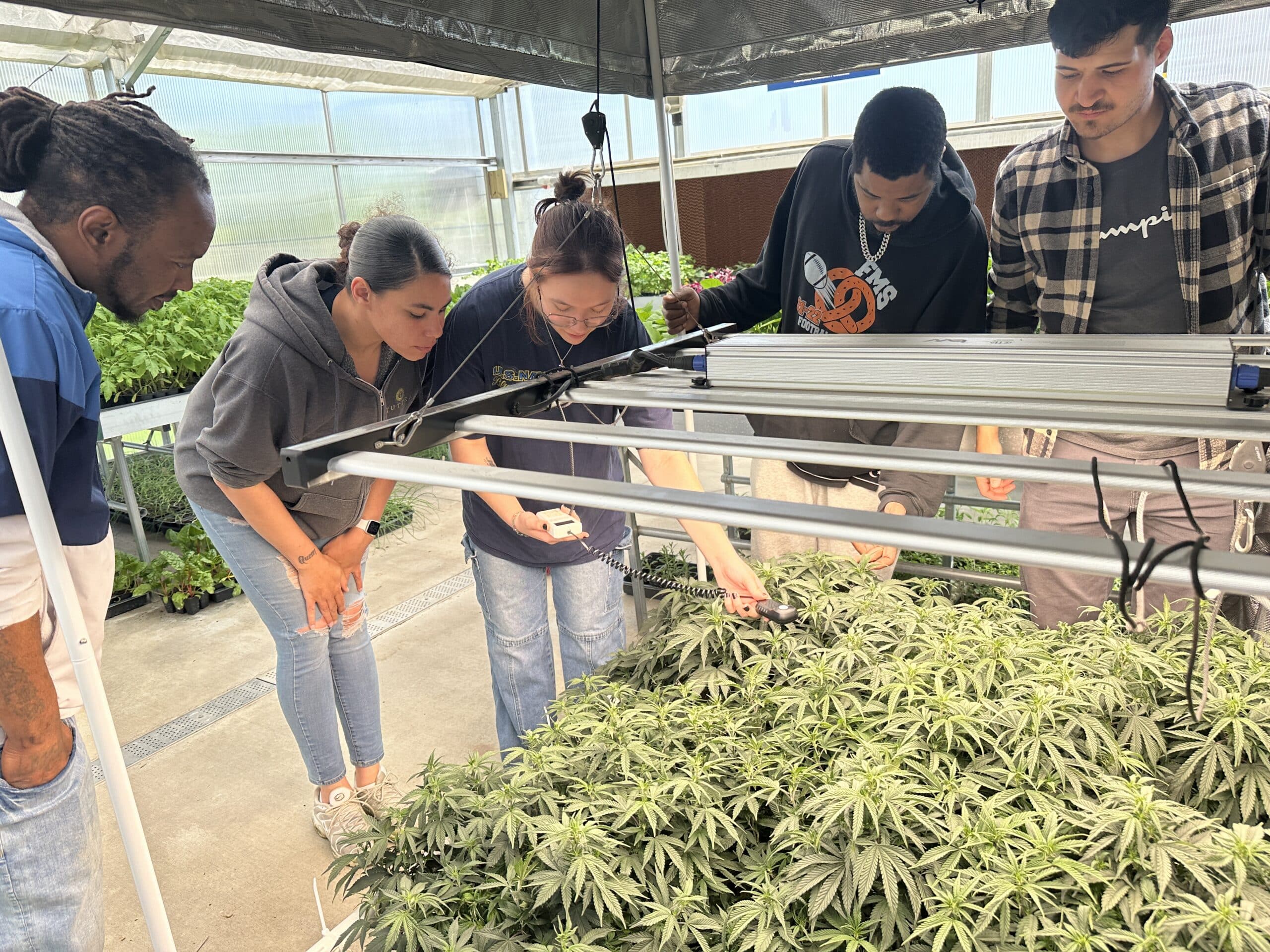
What Students Learn in These Curricula
- Science: Cannabinoids, terpenes, entourage effect, plant biology, extraction, testing, and contaminants.
- Business & Operations: Cultivation techniques, supply chain, retail/sales, compliance, and entrepreneurship.
- Policy & Society: Legal frameworks, social equity, history of prohibition, public health, and patient education.
- Hands-On Skills: Many programs include lab work, grow simulations, or apprenticeships.
Why It’s Growing Rapidly
- Workforce Demand: Legal markets need trained professionals amid expansion and rescheduling.
- Research Momentum: New federal bills (e.g., Higher Education Marijuana Research Act) aim to ease barriers for academic study using state-legal products.
- Accessibility: Many programs are fully online, affordable, and open to working adults or career changers.
- Relevance to Broader Fields: Overlaps with agriculture, pharmacology, business, criminal justice, and public health.
Field Notes, Not Brochure Copy
The Stoner Review writes from the smoke spot: what burned clean, what tasted like marketing, and what we would spend on again. If a claim cannot survive a real session, it does not survive our page.
How to Read This Like a Head

Take what helps. Ignore the flex. Cross-check jars with your own nose. The best cannabis writing should make you a sharper shopper, not a louder commenter.
Stay in the Room
Algorithms throttle. Brands rebrand. The circle outside still decides who gets the next light based on whether you feel real. Keep showing up for the culture that still remembers where it came from.
One More Pass From the Notebook
We keep revisiting jars, floors, and fits because cannabis culture is not a press release — it is a practice. Come back tomorrow with a clearer nose, a sharper question, and less patience for potency theater. The Stoner Review will still be here, writing like the Wi-Fi might die and the circle outside is the only network that matters.
Support independent cannabis media when the algorithm gets weird. Share the pieces that help somebody shop smarter. And when a brand tries to sand the joke off the plant, remember who was in the room first.
Keep Reading on The Stoner Review
More field notes from the same smoke-stained notebook:
Find more gritty, honest stories, strain reviews, travel guides, and multi-minded stoner perspectives at theStonerReview.com/blog.


