

Cannabis Use Linked to Higher Testosterone Levels in Young Men, Swiss Study Finds
Cannabis Use Linked to Higher Testosterone Levels in Young Men, Swiss Study Finds
A new study from the University of Geneva has found that young male cannabis users exhibit significantly higher testosterone levels compared to non-users, challenging long-standing assumptions about the plant’s impact on male hormones.

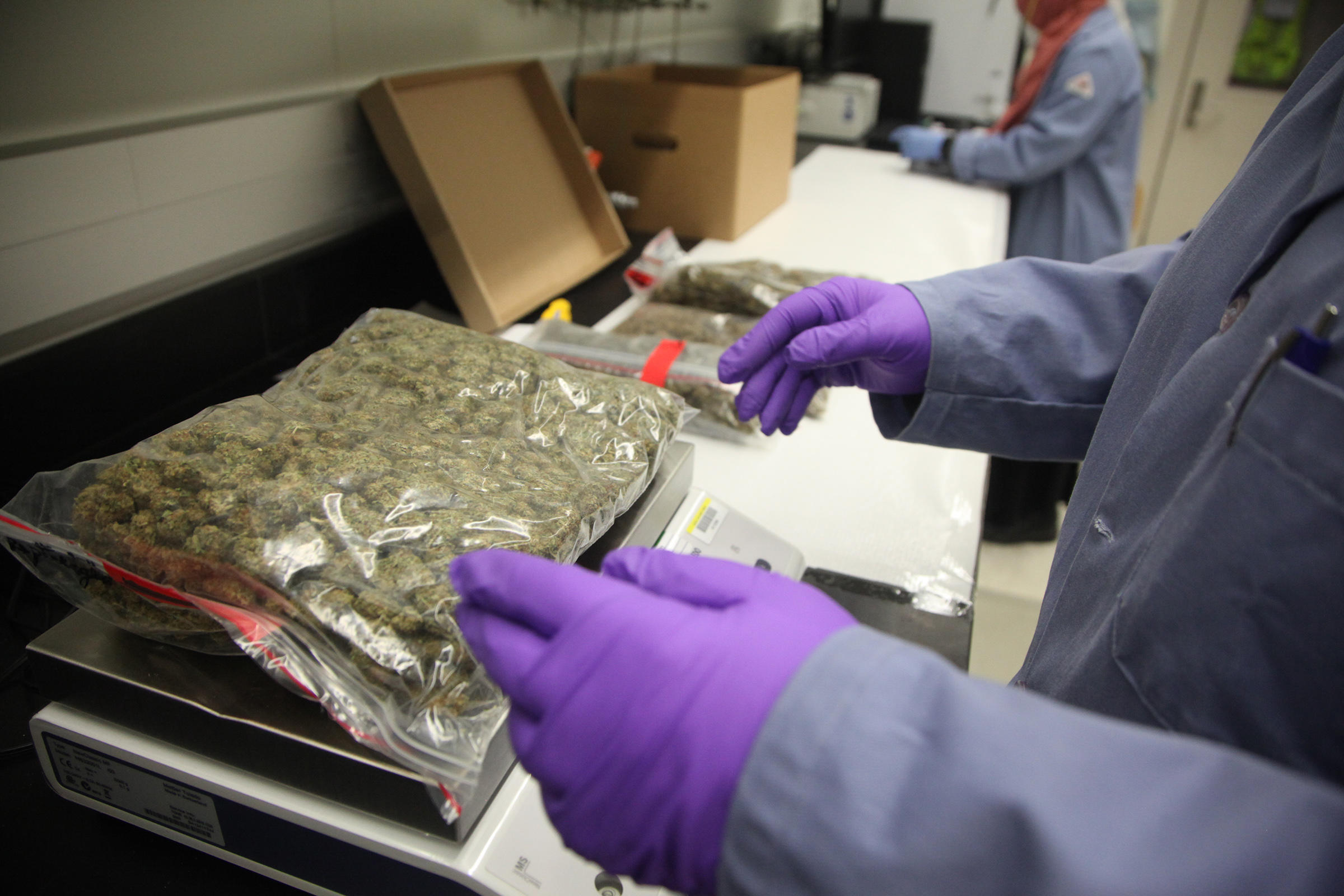
Published in Communications Medicine, the research analyzed blood samples from 94 Swiss military recruits aged 18-23. Researchers divided participants into two groups based on confirmed THC presence: 43 cannabis users and 51 non-users. Using advanced mass spectrometry, they examined 70 different steroid hormones.
The results were notable. Cannabis users showed approximately 23% higher testosterone levels on average. Elevations were also observed in related androgens such as androstenedione and dihydrotestosterone (DHT). The increases appeared linked to enhanced activity in the testes’ Leydig cells, with adrenal androgens remaining comparable between groups.


Senior researcher Serge Rudaz stated: “Our results show that cannabis use would lead to an increase of about 23% in testosterone in young men.”
Context and Previous Research
This cross-sectional study adds to a mixed body of evidence. While some older animal studies suggested negative impacts from high THC doses, human data has been more varied. A prior Danish study also pointed to potentially higher testosterone in recent cannabis users. However, concerns around sperm motility, count, and long-term fertility effects remain subjects of ongoing investigation. The Geneva team reported no immediate red flags on fertility markers in their sample but emphasized the need for larger, longitudinal studies.

Implications for the Cannabis Community
For those in their physical prime—whether grinding in the gym, chasing waves across destinations, or building something real—this research offers an intriguing data point. Testosterone influences energy, recovery, motivation, and overall vitality. In a culture often bombarded with conflicting messages about cannabis, this study provides a more nuanced view grounded in human physiology rather than outdated assumptions or sensational headlines.

That said, the findings don’t endorse unrestricted use. Individual responses vary based on strain, dosage, frequency, and lifestyle factors. Heavy chronic use may still carry trade-offs not fully captured here. As always, the smartest approach combines honest self-assessment with solid habits: training, nutrition, sleep, and responsible consumption.
At theStonerReview.com, we cut through the noise—whether it’s propaganda or hype—to deliver the unfiltered truth. This study represents another step in evolving cannabis science, one that aligns with real-world experiences reported by many in the community.
The conversation around cannabis and human health continues to mature alongside legalization. We’ll keep tracking the research, the destinations, the strains, and the lifestyle realities that matter. Because understanding the plant means understanding its honest place in modern life.
What are your thoughts on this? Have you noticed differences in energy or drive with cannabis in the mix? Share below—we’re building this dialogue together.
Stay elevated, stay informed. The next adventure—and the next drop—is always around the corner.
Field Notes, Not Brochure Copy
The Stoner Review writes from the smoke spot: what burned clean, what tasted like marketing, and what we would spend on again. If a claim cannot survive a real session, it does not survive our page.

How to Read This Like a Head
Take what helps. Ignore the flex. Cross-check jars with your own nose. The best cannabis writing should make you a sharper shopper, not a louder commenter.
Stay in the Room
Algorithms throttle. Brands rebrand. The circle outside still decides who gets the next light based on whether you feel real. Keep showing up for the culture that still remembers where it came from.
One More Pass From the Notebook
We keep revisiting jars, floors, and fits because cannabis culture is not a press release — it is a practice. Come back tomorrow with a clearer nose, a sharper question, and less patience for potency theater. The Stoner Review will still be here, writing like the Wi-Fi might die and the circle outside is the only network that matters.
Support independent cannabis media when the algorithm gets weird. Share the pieces that help somebody shop smarter. And when a brand tries to sand the joke off the plant, remember who was in the room first.
Keep Reading on The Stoner Review
More field notes from the same smoke-stained notebook:
Find more gritty, honest stories, strain reviews, travel guides, and multi-minded stoner perspectives at theStonerReview.com/blog.


