

Chasing the Ghost: My War with Colombian Gold Indoors
Chasing the Ghost: My War with Colombian Gold Indoors
In the dim red glow of a 4x4 tent at 3 a.m., sweat dripping onto my notebook, I whispered the same question every serious head asks when the grow turns feral: Why the fuck did I pick this strain? Colombian Gold—a pure landrace sativa born in the misty, high-altitude slopes of Colombia’s Santa Marta mountains—doesn’t just grow. It hunts. It stretches toward the light like it’s personally offended by your ceiling height, demands marathon patience, and rewards only the obsessive. This is no forgiving indica you can neglect for a weekend sesh. This is a gauntlet. And for three brutal cycles in my New Jersey basement setup, it nearly broke me.

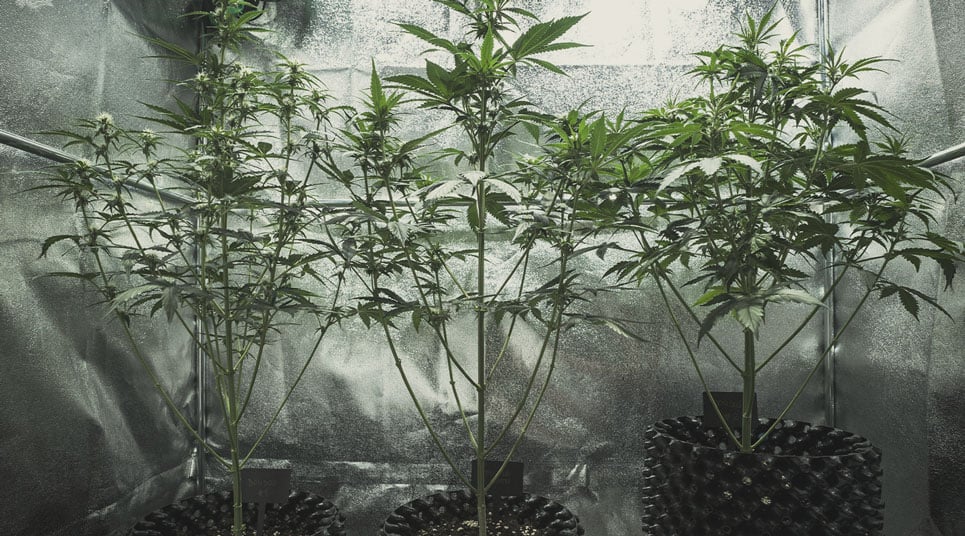
The Setup: Humble Beginnings, Towering Ambitions I started with solid genetics from a reputable breeder—feminized seeds to cut the bullshit. 18/6 veg under full-spectrum LEDs in a sealed tent with a 6-inch inline fan and carbon filter. Temps held at 75-80°F, humidity 60-70% early on. Sound dialed? Yeah, until week 3 when these girls exploded upward like they were chasing equatorial sun. By week 5, they were scraping my 7-foot tent roof despite heavy LST and topping. Colombian Gold doesn’t do “compact.” She wants space, airflow, and consistency that most home growers can’t fake.
The real war began in flower. Expect 12-16 weeks—sometimes longer if she senses weakness. Lights on 12/12, nutes dialed back to avoid burn on her sensitive sativa frame. One slip in pH (I chased 6.0-6.5 in soil) and you’re toast.
When the Grow Goes South: The Warning Signs This is where the journalism gets gritty. Beautiful grows die ugly. Here’s what to watch for—and what it looks like in high-res close-up.
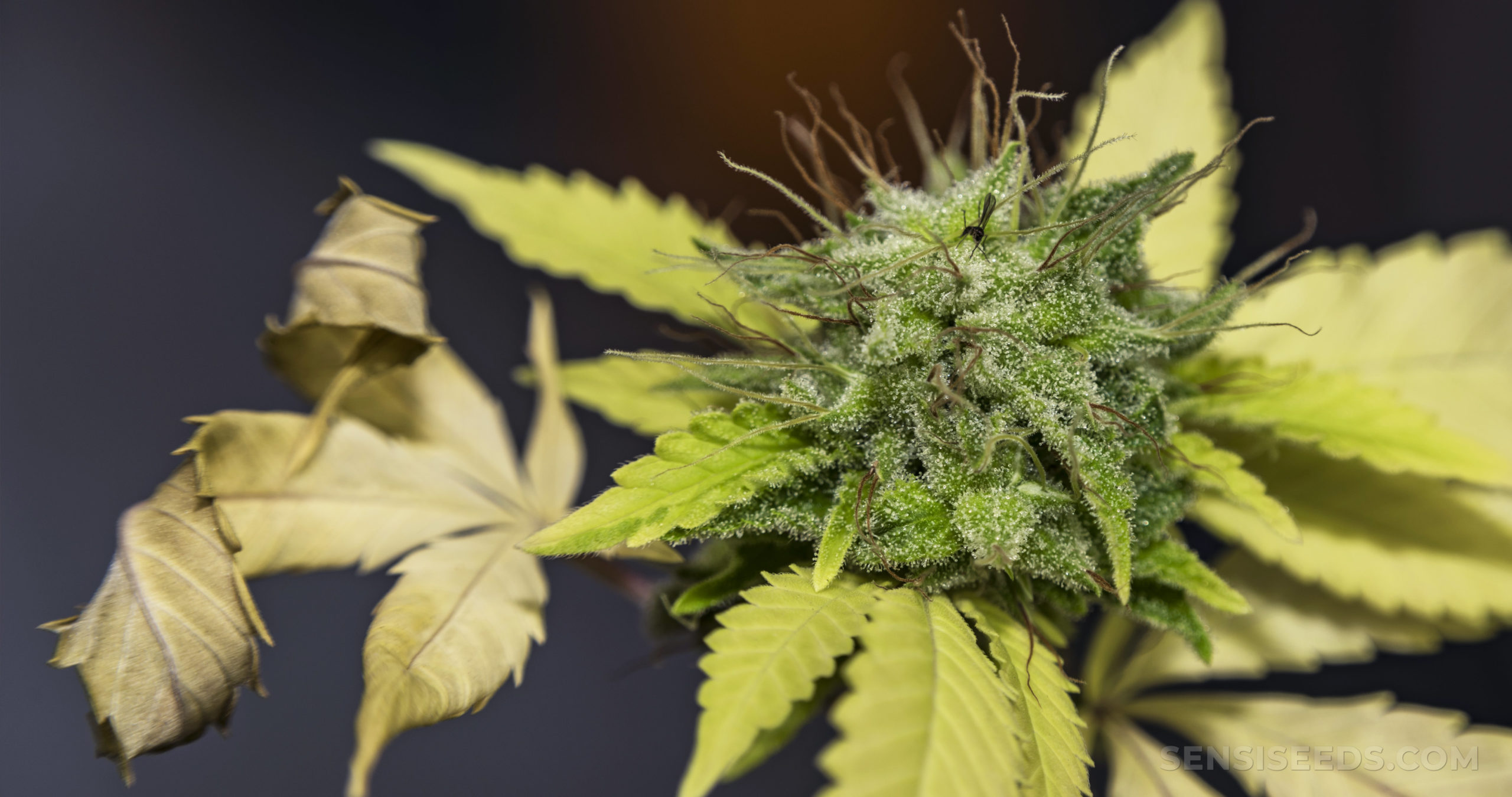
Yellowing leaves + crispy tips? Classic nutrient burn or lockout from pH swings. Colombian Gold hates overfeeding—flush and back off the nutes. Those drooping, pale fans scream “fix me or lose the harvest.”
Brown spotting or rust? Magnesium or calcium deficiency common in long-flowering sativas. Or early mold if humidity creeps above 50% in flower. Catch it early or watch your colas turn to mush.
The Payoff: When the Ghost Finally Appears After one failed run (total stretch disaster, light burn city) and a second that taught me aggressive SCROG netting, the third cycle delivered. Glossy, elongated buds flecked with fiery orange pistils, sticky with that classic landrace resin. Citrus, earthy, piney fuel with a clean, soaring cerebral high that hits like Rolling Stone in the ’70s—euphoric, creative, no couch lock. Not the densest nugs, but the terps and effects? Chef’s kiss.
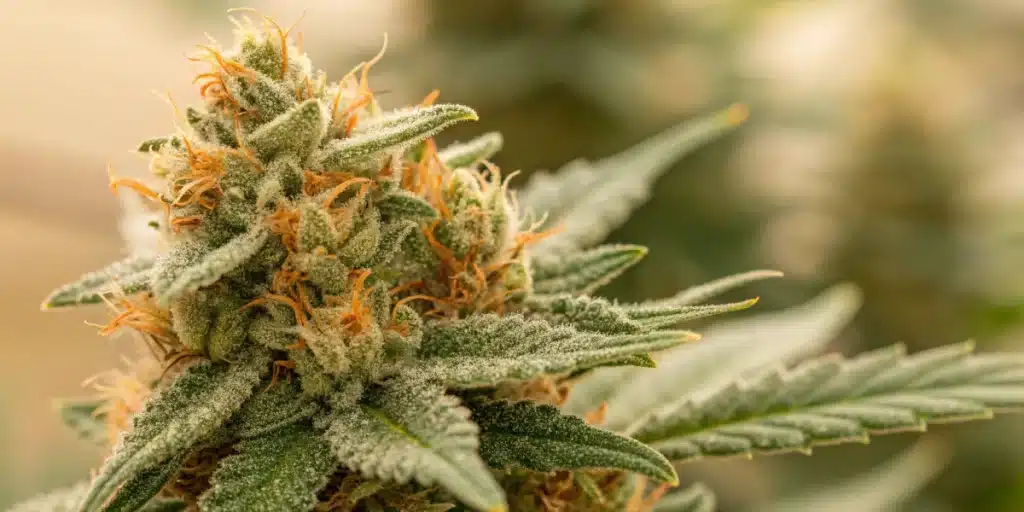


Close-up glory: Look for those long, spear-shaped calyxes packed with amber trichomes at harvest. Squeeze one—sticky, fragrant, almost glowing. This is the sexy payoff after months of battle.

The Honest Verdict Colombian Gold isn’t for beginners or small tents. She’ll test your VPD charts, your patience, and your electricity bill. But when you nail it? You’re not just growing weed—you’re channeling history. A landrace that survived mountains now thriving under LEDs in Jersey. That first toke after cure hits different. Pure, unfiltered sativa fire.
This run changed how I approach every grow: respect the genetics, over-prepare for stretch, and document everything. If you’re chasing ghosts, start here—but bring your A-game. Got your own landrace horror story? Drop it in the comments. We’re building the definitive indoor survival guide at theStonerReview.com. Next up: Dr. Grinspoon’s revenge. Stay lifted, stay fighting.
Photos: Premium macro shots of Colombian Gold buds and common failure modes for educational purposes. Real grower scars included.
Field Notes, Not Brochure Copy
The Stoner Review writes from the smoke spot: what burned clean, what tasted like marketing, and what we would spend on again. If a claim cannot survive a real session, it does not survive our page.
Keep Reading on The Stoner Review
More field notes from the same smoke-stained notebook:
Find more gritty, honest stories, strain reviews, travel guides, and multi-minded stoner perspectives at theStonerReview.com/blog.


1 comment
My friend from South America said that Santa Marta Gold achieved its gold color when growers would tie a wire around the base of the plant till it bit into the outer bark which restricts its flow of water and nutrients for a week then harvest . It was mainly to reduce chlorophyll and its harshness ,not to mention stressing to boost potency.