

Colorado Dispensaries with Integrated grow rooms.
The Whispering Walls of the High Country
In the shadow of the Rockies, where the air bites crisp even in summer and the license plates still brag “Highest State,” there stood a handful of dispensaries that refused to let the grow rooms fade into distant warehouses. These weren’t the sleek corporate pods pumping out cookie-cutter flower for the chains. These were the old souls—vertically integrated holdouts where the plants lived right behind the glass, breathing the same air as the customers.


Elias had driven up from Denver on a whim in late 2025, chasing a rumor he’d heard in a 4:20 smoke circle: Kinfolk Farms in Durango still grows on-site. You can smell it before you even walk in. He pulled his battered Subaru into the lot just as the late afternoon light painted the San Juan Mountains gold. The building looked unassuming from the outside—wooden beams, a modest sign—but the moment the doors slid open, the scent hit him like a warm wave: living soil, fresh terpenes, and that unmistakable green pulse of something alive and thriving.

Behind a thick pane of reinforced glass stretched the grow room itself. Rows of lush plants under gentle LEDs swayed like underwater kelp. A handwritten chalkboard listed the day’s strains: Durango Poison, Mountain Monk, and a new cross called High Country Ghost. A young cultivator in a branded hoodie noticed Elias staring and waved him over to the viewing window.
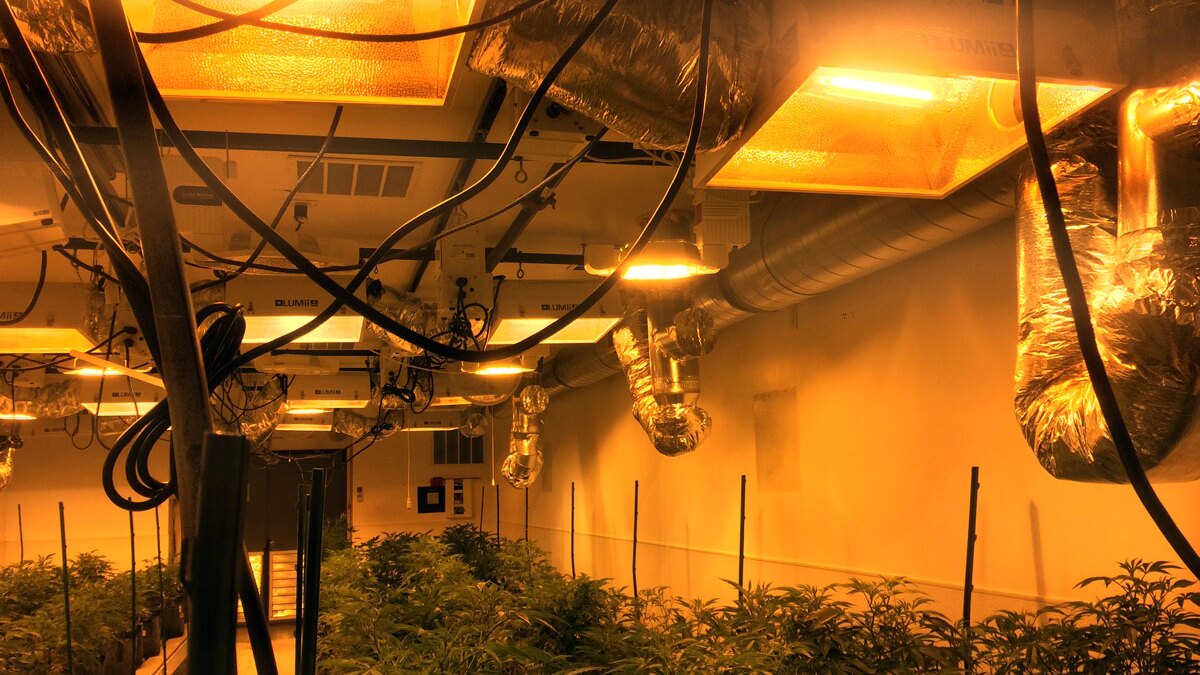
“Most places ship it in from somewhere else now,” she said, voice low like she was sharing a secret. “Corporate efficiency. But we’ve kept it integrated since day one. Customers watch the whole cycle. Makes the flower honest.” She pointed to a mother plant heavy with frost. “That one’s been with us three years. We call her Grandma.”

Elias bought an eighth of the Ghost and a pre-roll. As he stepped outside to spark it in the designated area, he thought about the others he’d visited on this winding road trip. Up in Colorado Springs, Big Medicine Cannabissary ran a hydroponic LED setup right off the sales floor—pheno-hunting visible through observation glass while you waited for your order. The budtender had joked that if a plant looked stressed, customers would text the owner suggestions. Community cultivation at its finest.
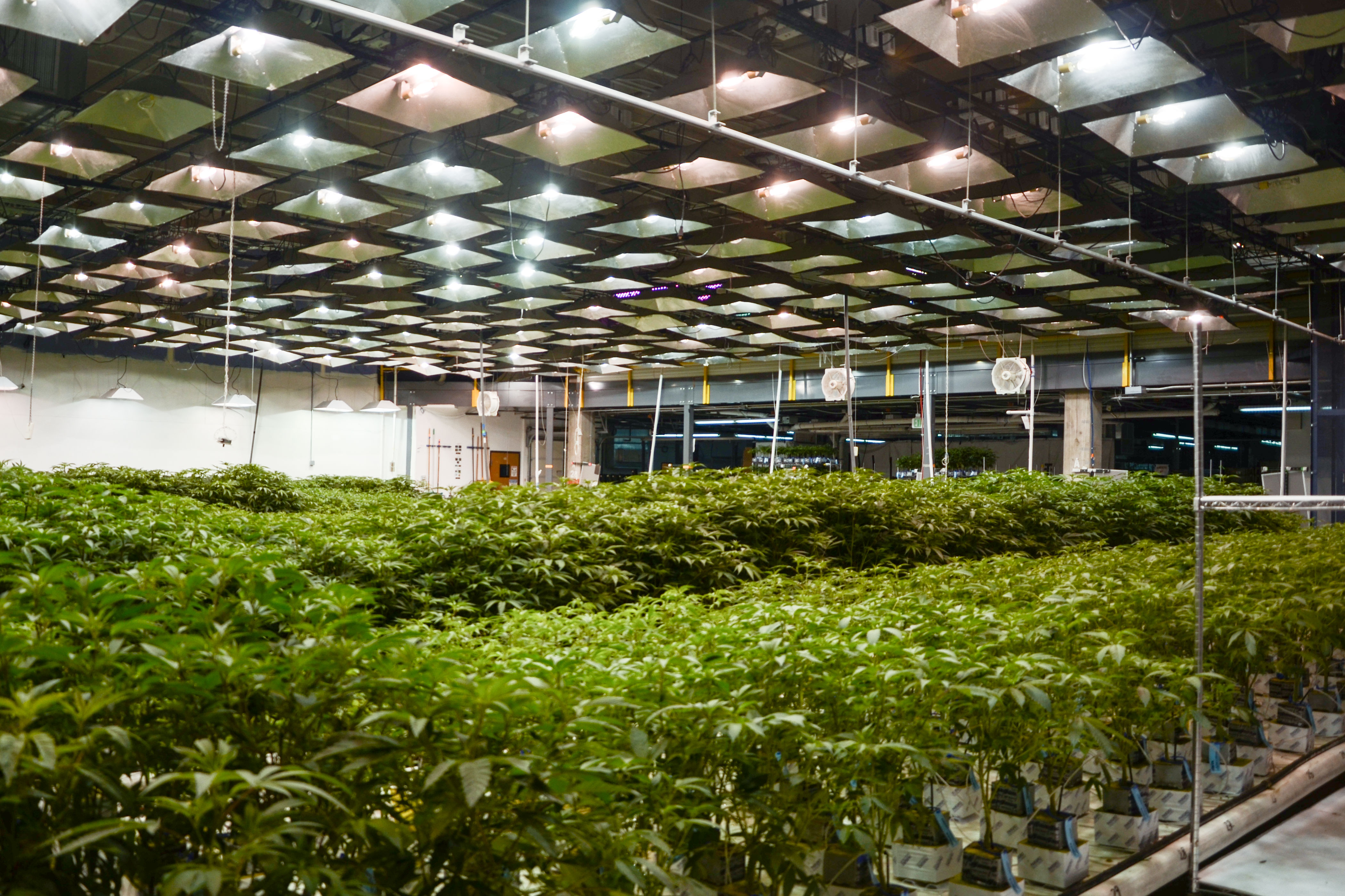
Then there was the legend up north: places like Seed & Smith in Denver, still offering those free grow tours where you walked the same halls the plants did (well, almost). And older spots like Euflora’s 3D Cannabis Center, where the viewing room made you feel like you were dining at the chef’s table of cannabis. Even some smaller operations in Mancos and Greeley clung to the model—on-site soil grows where the flower never traveled more than fifty feet from dirt to jar.


But Kinfolk felt different. More intimate. Elias sat on a bench outside as the sun dipped, watching staff move between retail and grow like it was the most natural thing in the world. No hidden industrial parks. No mystery supply chain. Just plants, people, and product under one roof in the high desert air.

He took another pull and smiled. In an industry racing toward scale and sterility, these integrated rooms were becoming rare sanctuaries—living museums where the magic still happened in plain sight. Places where you didn’t just buy weed. You witnessed its birth.
As he drove away, the scent of the Ghost lingered on his hoodie. He already knew he’d be back. Some traditions, especially the green ones, were worth keeping close to home. 🌿
For the Stoner Review crew: These real visuals from Seed & Smith and similar Colorado spots perfectly capture the story’s vibe. Perfect for your next video, IG carousel, or site post—pair each image with the matching paragraph for maximum engagement. The contrast between retail calm and living grow energy is pure gold. Road trip these places, film your own walkthroughs, and let the audience feel the difference. Drop your favorite integrated dispensary below. Stay lifted!
Keep Reading on The Stoner Review
More field notes from the same smoke-stained notebook:
Find more gritty, honest stories, strain reviews, travel guides, and multi-minded stoner perspectives at theStonerReview.com/blog.


