

Crossbreeding Cannabis Genetics at Home: A Practical Guide to Becoming an At-Home Botanist
Crossbreeding Cannabis Genetics at Home: A Practical Guide to Becoming an At-Home Botanist
This guide offers a straightforward, step-by-step overview of crossbreeding cannabis at the hobbyist level. It focuses on fundamental techniques, required conditions, and realistic expectations for small-scale home cultivation. The process allows growers to develop new varieties with desired traits — aroma profiles, growth patterns, or cannabinoid balances — while maintaining full control over genetics.

Understanding Cannabis Sex and Selection
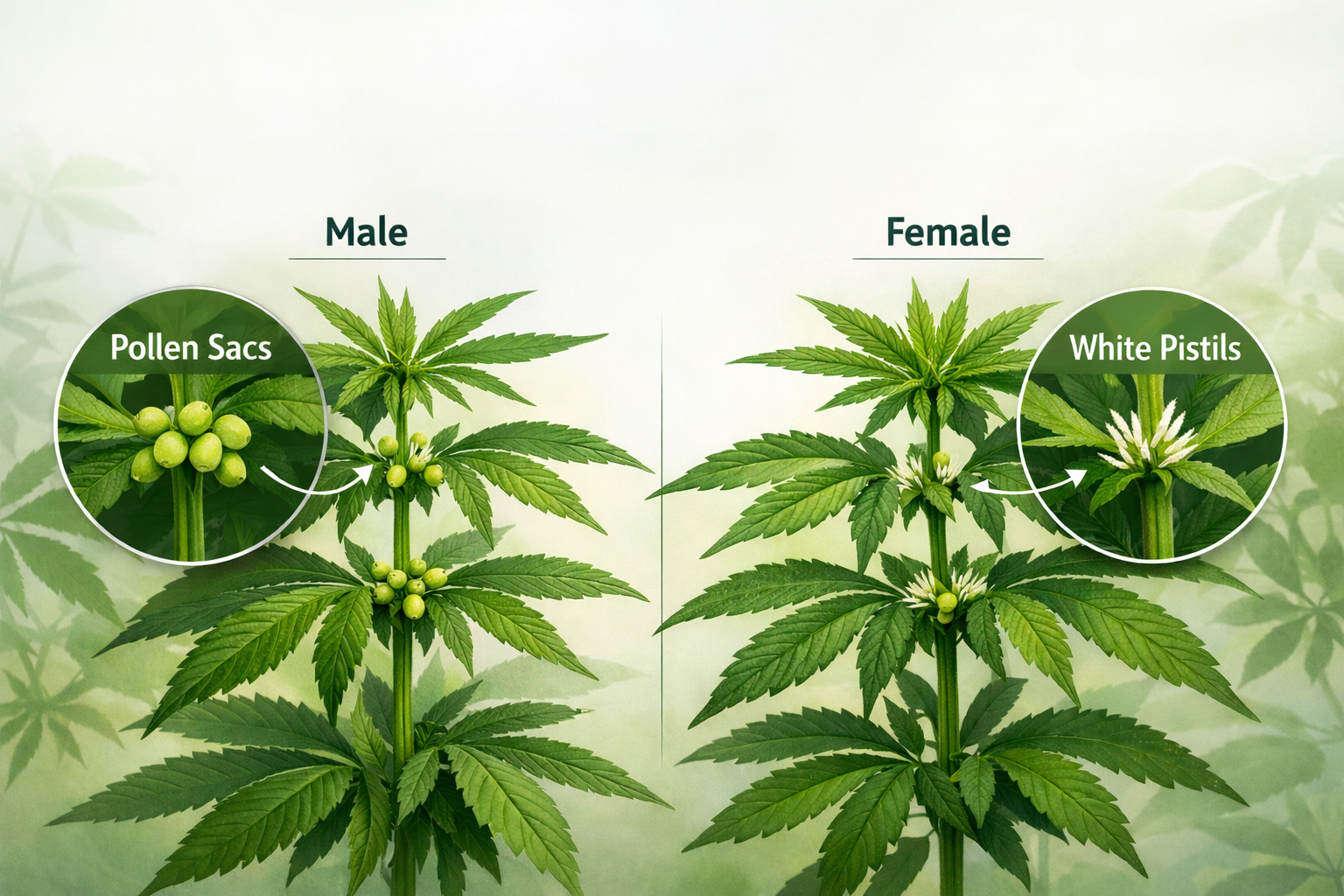
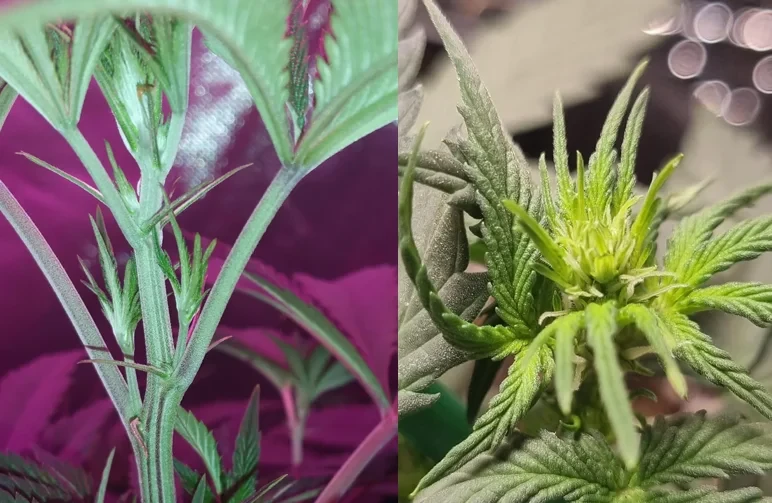
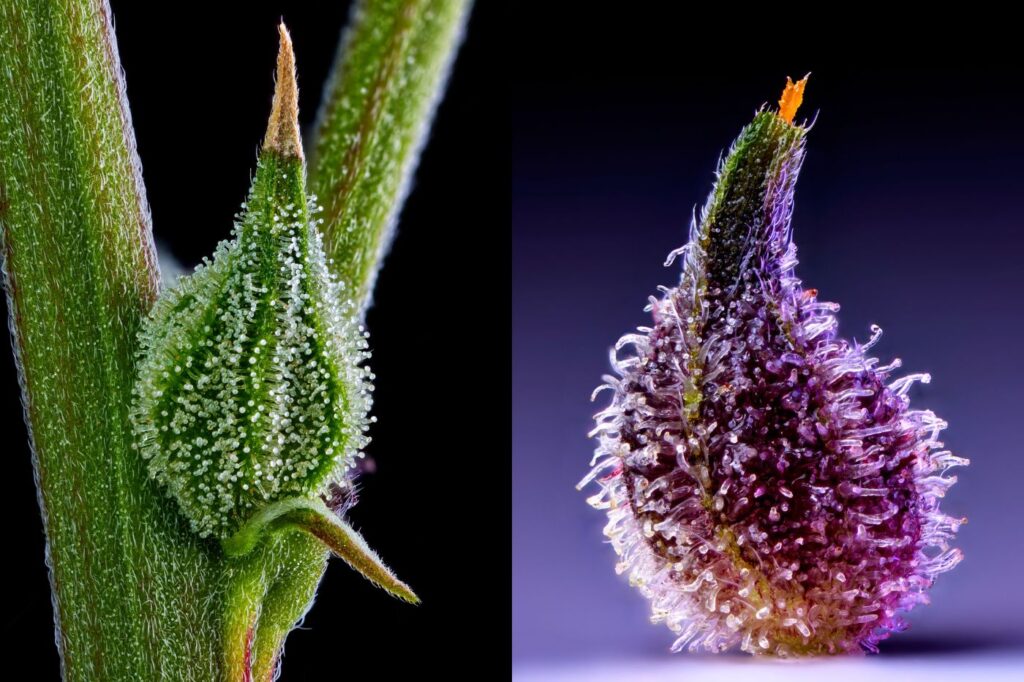
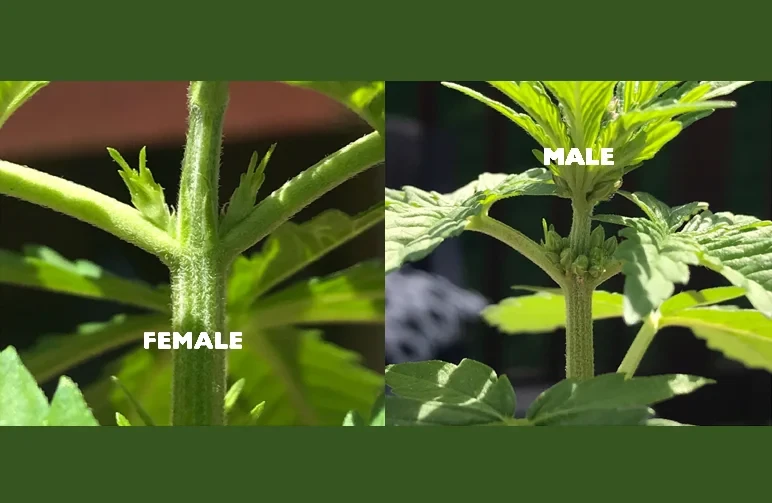
Cannabis plants are dioecious, meaning male and female flowers typically appear on separate plants. Successful breeding requires identifying and isolating both.
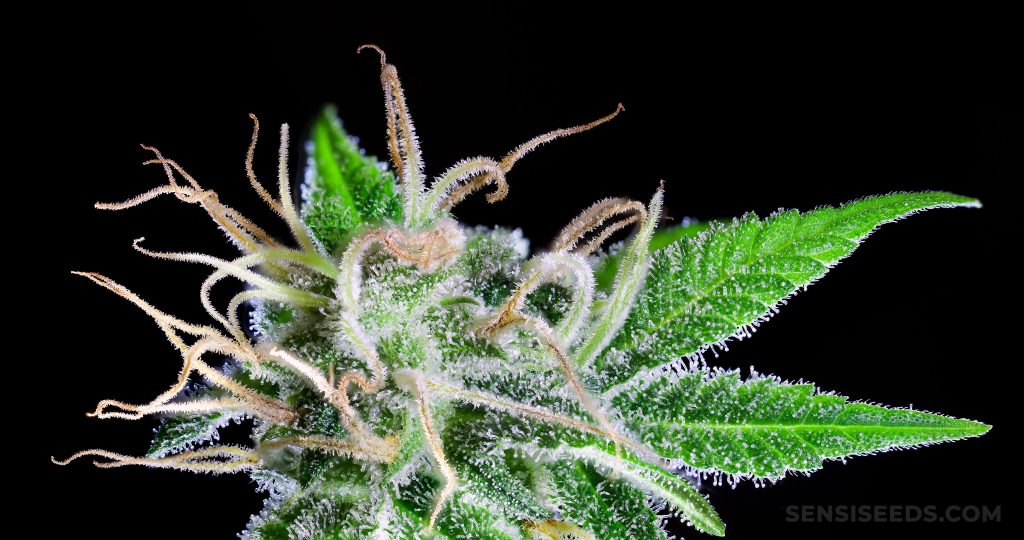
- Female plants develop white pistils (hair-like structures) at flower sites.
- Male plants produce pollen sacs that resemble small clusters or bananas.
Select parent plants based on observed traits: vigor, pest resistance, flowering time, terpene expression, and cannabinoid content. Grow multiple candidates from seed to evaluate consistency. Remove males early unless intentionally used for pollination to prevent unwanted seeding of production plants.
Setting Up a Controlled Home Environment
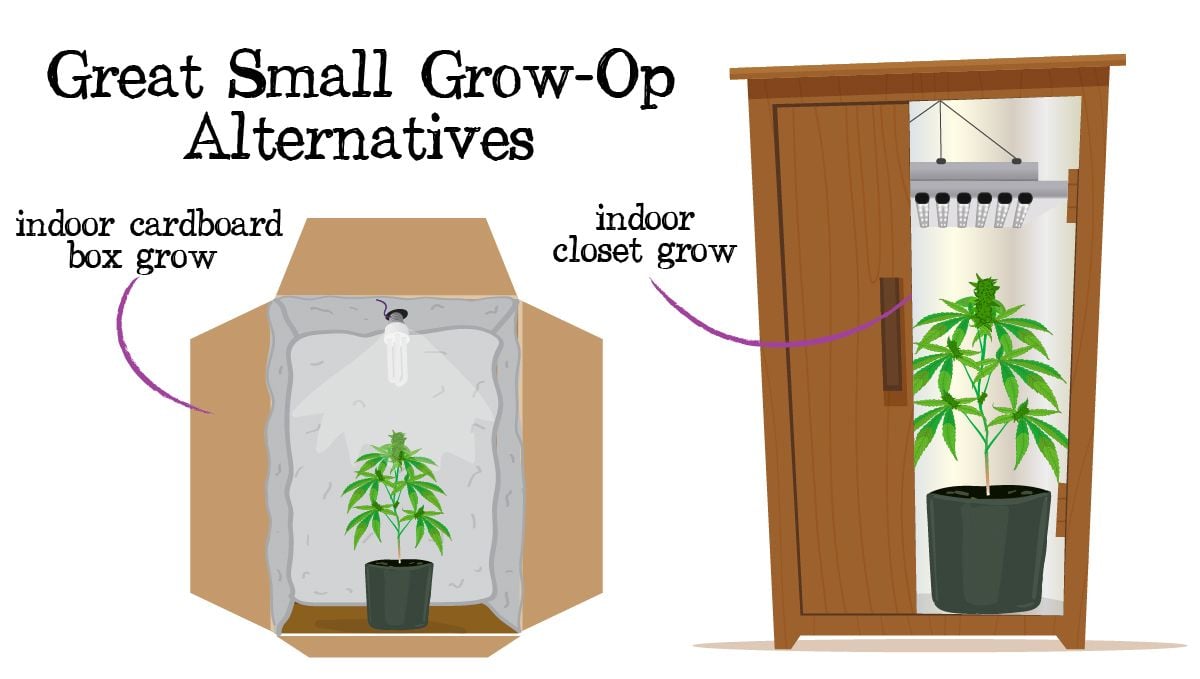
Maintain separate spaces or use isolation techniques to prevent cross-contamination. Small grow tents, enclosed cabinets, or dedicated rooms work for hobby-scale operations. Key requirements:
- Consistent temperature (70–80°F / 21–27°C during vegetative stage).
- Proper humidity and airflow.
- Adequate lighting (full-spectrum LED recommended).
- Labeling system for tracking genetics.
Isolate the selected male once pollen sacs begin to form. Collect pollen in a clean, dry environment to maintain viability.

The Pollination Process
- Allow the female plant to develop mature pistils (typically 2–3 weeks into flowering).
- Gently brush or shake collected pollen onto targeted branches or individual buds. Use a fine brush, cotton swab, or controlled airflow for precision.
- Bag the pollinated section for 24–48 hours to contain pollen, then remove the bag.
- Continue flowering for 4–6 additional weeks to allow seed maturation.
Avoid widespread pollination unless producing large seed batches. Targeted “sinsemilla” crosses (pollinating only select branches) preserve most of the female plant for usable flower.

Seed Harvesting and Storage
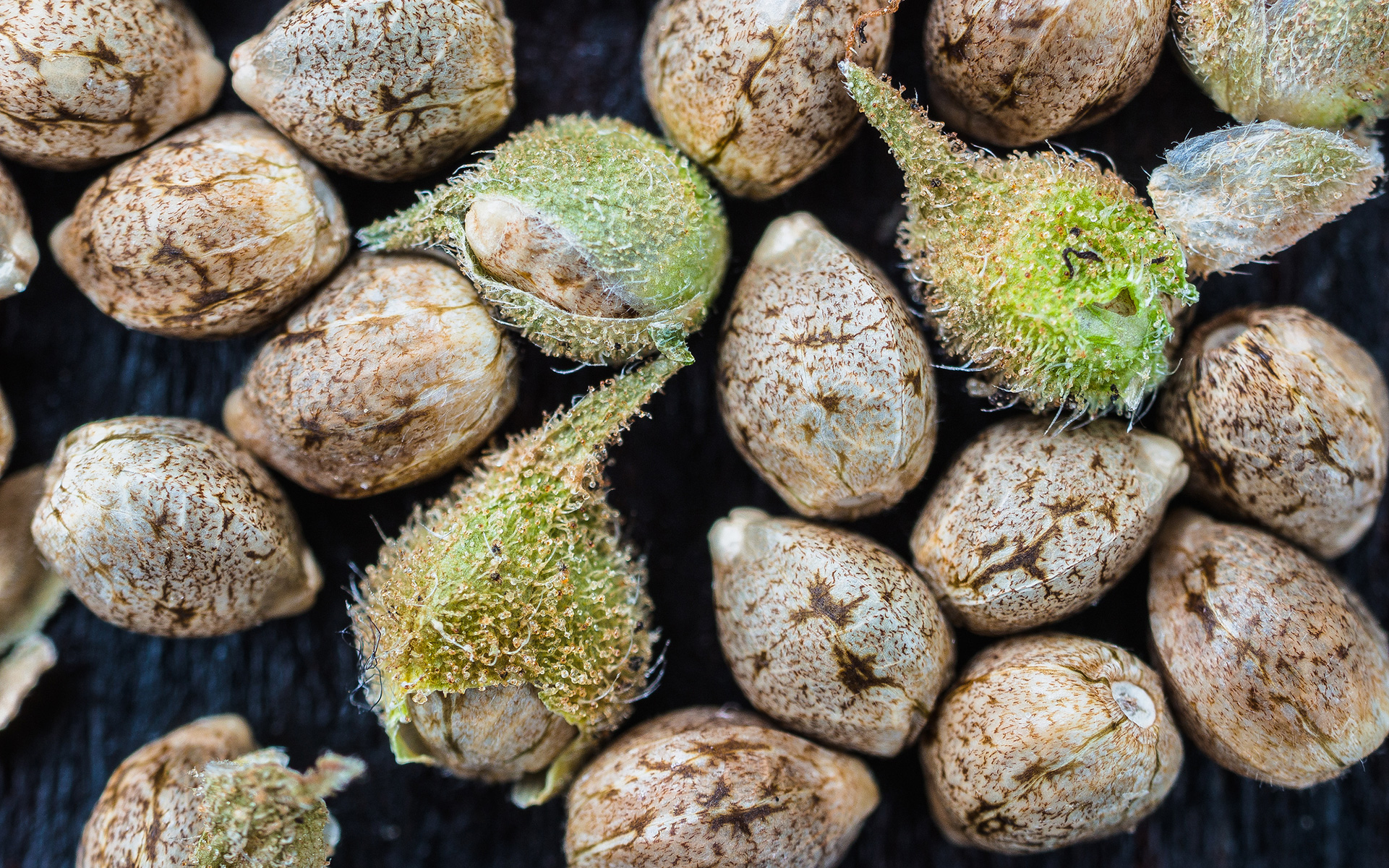
Harvest seeds when they are fully developed, dark, and firm (usually 5–8 weeks after pollination). Dry them slowly in a cool, dark, low-humidity environment for 1–2 weeks. Store in airtight containers with desiccant packets in a refrigerator or freezer for long-term viability. Properly stored seeds can remain viable for several years.
Growing and Evaluating Offspring Generations
- F1 Generation: First cross of two distinct parents — typically uniform and vigorous (hybrid vigor).
- F2 Generation: Offspring from F1 crosses — introduces greater variation for selection.
- Subsequent generations (F3+) require repeated selection and backcrossing to stabilize desired traits.
Document phenotypes across multiple plants per generation. Select the strongest performers and repeat the process. This can take 6–12 months or longer per cycle depending on photoperiod or autoflowering genetics.
Working on a specific cross or running into issues? Drop the details in the comments — strain, generation, and what you’re selecting for — and we’ll dig in together.

More field-tested grow guides, strain reviews, and culture at theStonerReview.com/blog.
Breed the Plant. Wear the Culture.
The ones who put in the work to develop their own genetics deserve gear that matches the craft. Our cannabis streetwear is built for the growers, the breeders, and the ones who actually know what they’re doing in the tent.
Check out the Free the Green Hoodie — a statement for the ones who believe the plant deserves better. Or grab the Pothead Society Classic Tee for the grow room and beyond.
Browse the full collection at The Stoner Review →
Field Notes, Not Brochure Copy
The Stoner Review writes from the smoke spot: what burned clean, what tasted like marketing, and what we would spend on again. If a claim cannot survive a real session, it does not survive our page.
How to Read This Like a Head
Take what helps. Ignore the flex. Cross-check jars with your own nose. The best cannabis writing should make you a sharper shopper, not a louder commenter.
Stay in the Room
Algorithms throttle. Brands rebrand. The circle outside still decides who gets the next light based on whether you feel real. Keep showing up for the culture that still remembers where it came from.
Keep Reading on The Stoner Review
More field notes from the same smoke-stained notebook:
Find more gritty, honest stories, strain reviews, travel guides, and multi-minded stoner perspectives at theStonerReview.com/blog.


