

From Cartel Shadows to Mountain Fields: The Human Cost of the Cannabis Trade
From Cartel Shadows to Mountain Fields: The Human Cost of the Cannabis Trade
In the rugged mountains of Sinaloa or Michoacán, a father wakes before dawn to tend rows of cannabis plants that will never bear his family’s name. Down below, in the plazas of once-quiet towns, mothers light candles for sons who disappeared after refusing a cartel’s “offer.” At the top, kingpins and enforcers wage wars that make headlines for their brutality.

This is not a simple story of villains and victims. It is a chain of desperation, power, and survival that stretches from remote Mexican hillsides to the streets of American cities. And in the middle are people who just want to feed their children.
The Top: Where Violence Reigns
Mexican drug cartels, especially groups like the Jalisco New Generation Cartel (CJNG), have built empires on fear. Beheadings, mass graves, burning vehicles, and public executions are not rare anomalies—they are tools of control. When leaders fall (as with high-profile deaths in recent years), retaliatory waves of violence ripple across states, shutting down roads, terrifying tourists, and claiming civilian lives.
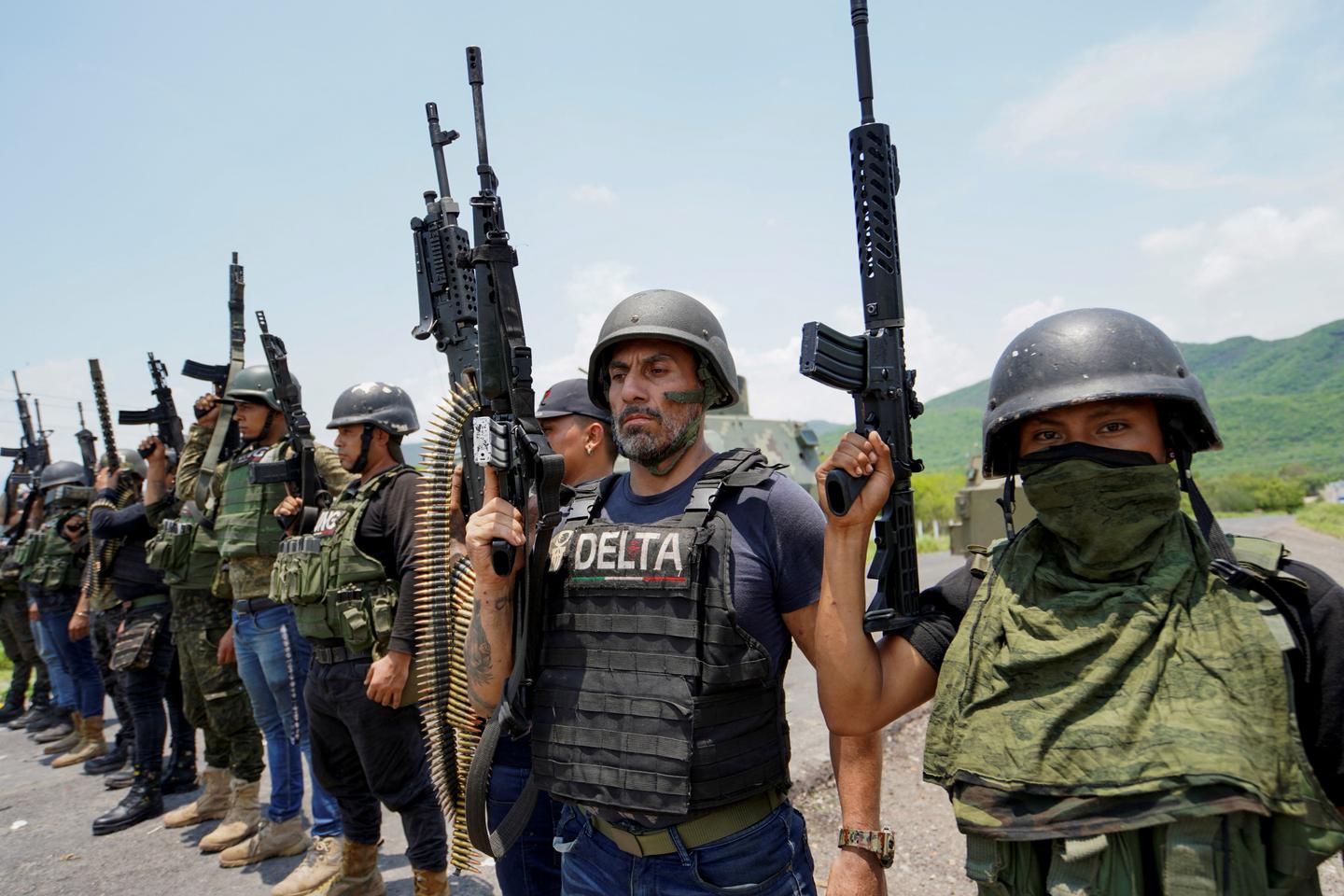
These organizations don’t just traffic cannabis—they control territories, extort farmers, and diversify into fentanyl, extortion, and more. The brutality is industrial: armed patrols, forced recruitment, and ruthless elimination of rivals. For those at the pinnacle, it’s about billions in profit and god-like power. For everyone else caught in their web, it’s terror.
The Middle: Farmers Trapped in the Machine
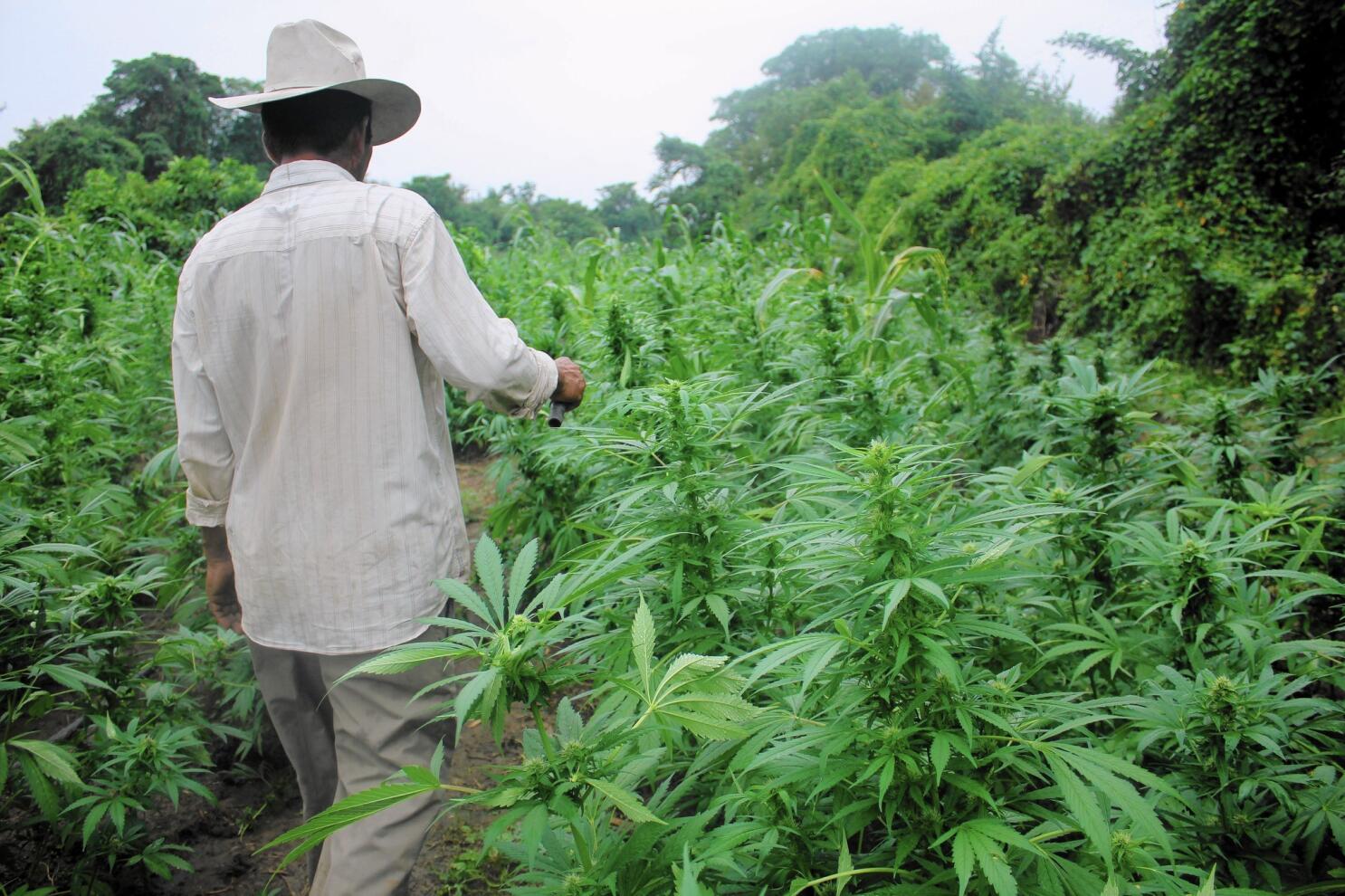
Now descend the mountains. Here live the campesinos—small-scale farmers often labeled “illegal growers.” Many have no viable alternatives. Poverty is generational. Legal crops bring low prices; migration is risky. Cannabis, for some, is the only crop that pays enough to keep a roof over their family’s head and food on the table.
But they rarely get rich. Cartels or middlemen often dictate terms: grow for us, sell to us, or face consequences—burned fields, kidnapped relatives, or worse. Refuse, and you lose everything. Comply, and you live under constant threat while earning a fraction of the final street value. Many work under duress, their labor feeding the very violence that endangers them.
These are not kingpins. They are fathers teaching their sons how to irrigate plants while praying no armed convoy rolls through the village that night. Mothers who hide their children when helicopters approach for eradication raids. Families who lose loved ones to crossfire between cartels and authorities, or to the slow poison of corrupted local systems.
Legalization in the U.S. and Canada was supposed to weaken this chain. In some ways it has—prices for Mexican cannabis dropped as competition grew. But the black market persists. Demand remains. Cartels adapt. And the small farmer, often without access to licenses or capital, stays squeezed between survival and danger.
The Heart of It: Faces Behind the Headlines
Imagine a man named Miguel (not his real name). He farms a few hectares in the Sierra Madre because his father did, and his grandfather before him. He doesn’t dream of luxury—just enough to send his daughter to school so she never has to choose between this life and none at all. He trims plants by lantern light, always listening for trucks on the dirt road. One wrong season, one refused demand, and his world could collapse.
Stories like Miguel’s rarely make the news. The executions do. The record seizures do. But the quiet endurance of families trying to survive in impossible conditions is the true undercurrent of this trade. They are not the engine of violence—they are fuel caught in it, burned by forces far larger than their plots of land.
A Path Forward with Humanity
Blaming farmers solves nothing. Eradication campaigns often destroy livelihoods without touching the cartels’ core power. True change requires alternatives: sustainable legal markets that lift small growers, international cooperation that starves violence rather than just shifting it, and policies that recognize the humanity on every link of the chain.
Until then, the fields remain haunted by both hope and fear. The cartels thrive on division and desperation. The farmers cling to survival. And the rest of us—consumers, citizens, parents—must look beyond the stereotypes to the human lives entangled in every puff, every joint, every profit margin.
The plant itself is neither hero nor villain. The systems around it decide the cost in blood and broken dreams.
What does “winning” the war on drugs even mean when the people at the bottom are simply trying to live? The answer starts with seeing them not as criminals, but as fathers, mothers, and dreamers caught in a storm they did not create.
Thought-Provoking Images for the Story:

A lone farmer walks through lush cannabis fields in the Mexican countryside—back turned, shoulders carrying generations of quiet struggle.
Armed figures in tactical gear, representing the raw power and violence that looms over rural communities.
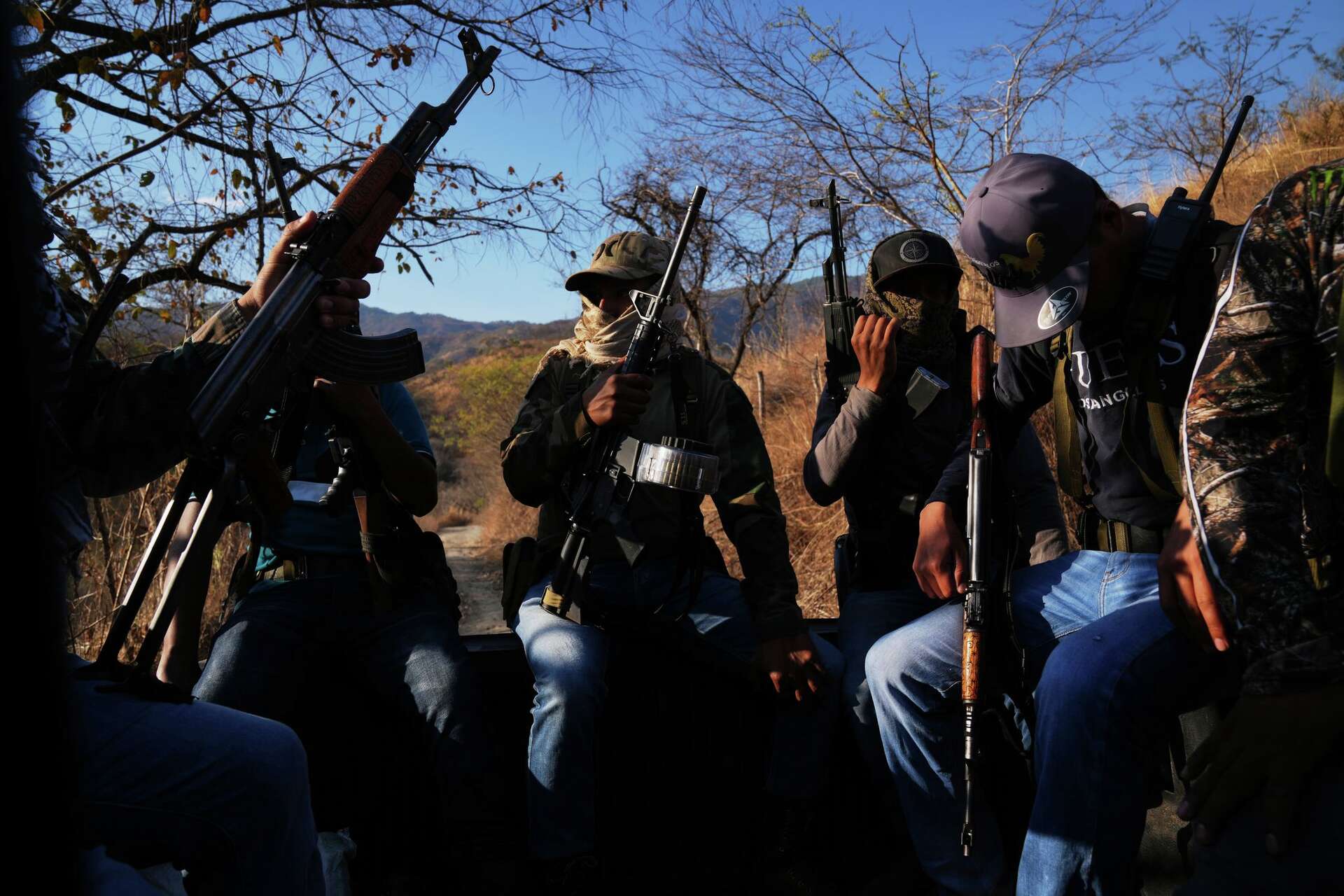
Civilian self-defense groups or farmers in tense, armed vigilance—caught between survival and the cycle of conflict.
This article honors the complexity: condemning violence while extending empathy to those at the bottom who deserve better options. Share your thoughts—how do we break this chain without forgetting the human faces in it?
Keep Reading on The Stoner Review
More field notes from the same smoke-stained notebook:
Find more gritty, honest stories, strain reviews, travel guides, and multi-minded stoner perspectives at theStonerReview.com/blog.


