

How Law Enforcement Detects Unlawful Home Cannabis Grows: Educational Overview for TheStonerReview.com Readers
How Law Enforcement Detects Unlawful Home Cannabis Grows: Educational Overview for TheStonerReview.com Readers
Important Legal Disclaimer: Home cultivation of cannabis is currently illegal in New Jersey for both recreational and medical use (as of 2026). Possession, cultivation, or distribution outside licensed channels can result in serious criminal penalties, including fines and jail time. This article is for informational and educational purposes only — it summarizes publicly reported law enforcement tactics based on news reports, court cases, and official practices. We strongly advise full compliance with all state and federal laws. TheStonerReview.com promotes legal, responsible cannabis use through licensed channels only.

Law enforcement agencies (local police, state police, and sometimes federal partners) use a combination of traditional investigation, technology, and community tips to identify unlawful indoor grows. Here are the primary detection methods, with visuals to illustrate how they work in practice.
1. Electricity Usage & Power Bill Indicators (One of the Most Common Red Flags)
Unlawful grows require intense lighting (often 18+ hours/day), ventilation, and climate control, which can spike household electricity use dramatically — sometimes 3–10x the normal average (500–1,000 kWh/month for a typical home vs. thousands for a grow op). Utilities may flag unusually high or inconsistent usage patterns and share data with law enforcement when suspicious. Investigators routinely check utility records as part of probable cause for warrants.
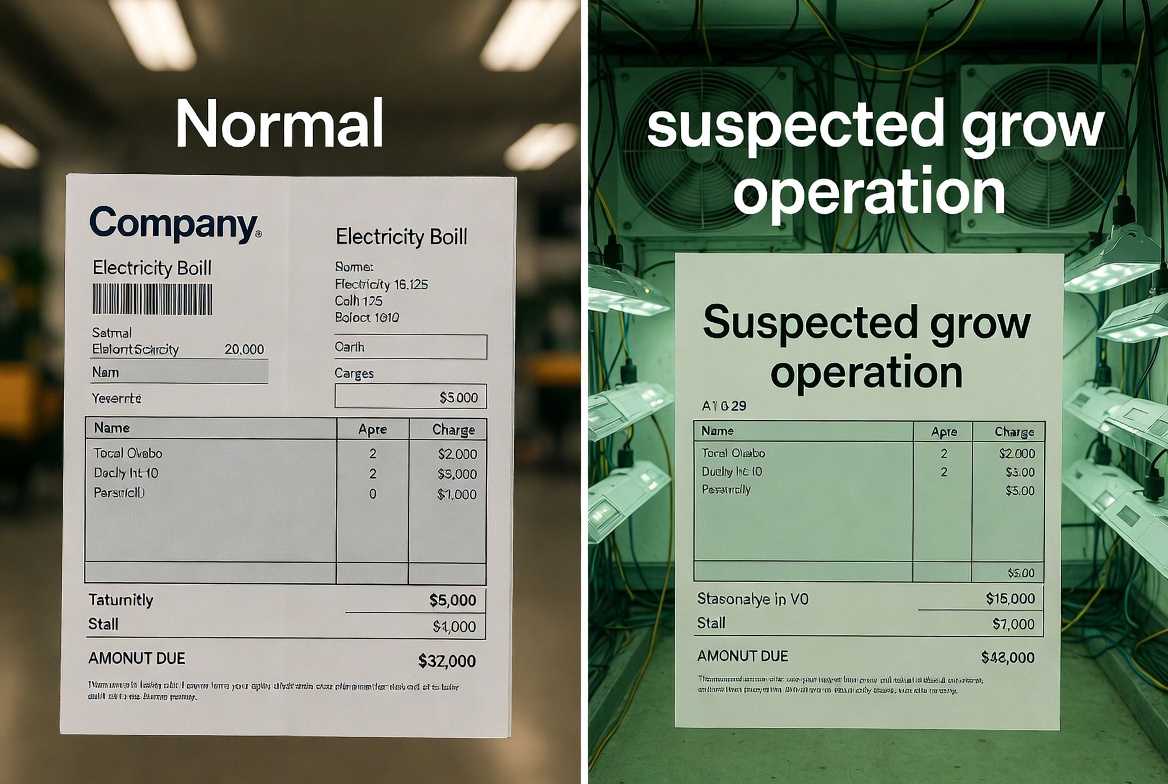
Caption: Power bill spikes are a top indicator — grows can consume massive electricity.
2. Aerial Surveillance: Helicopters & Drones with Thermal Imaging (FLIR)
Police helicopters and drones equipped with Forward-Looking Infrared (FLIR) or thermal cameras detect excess heat from high-intensity grow lights and exhaust vents. Hot spots on roofs or walls stand out against neighboring homes, especially at night or in cooler weather. While U.S. Supreme Court rulings (like Kyllo v. United States) limit warrantless thermal scans of homes, agencies still use this technology with warrants or in combination with other evidence. Helicopters patrol targeted areas based on tips or patterns.

Caption: Helicopters with thermal imaging can spot heat from grow lights and vents from the air.
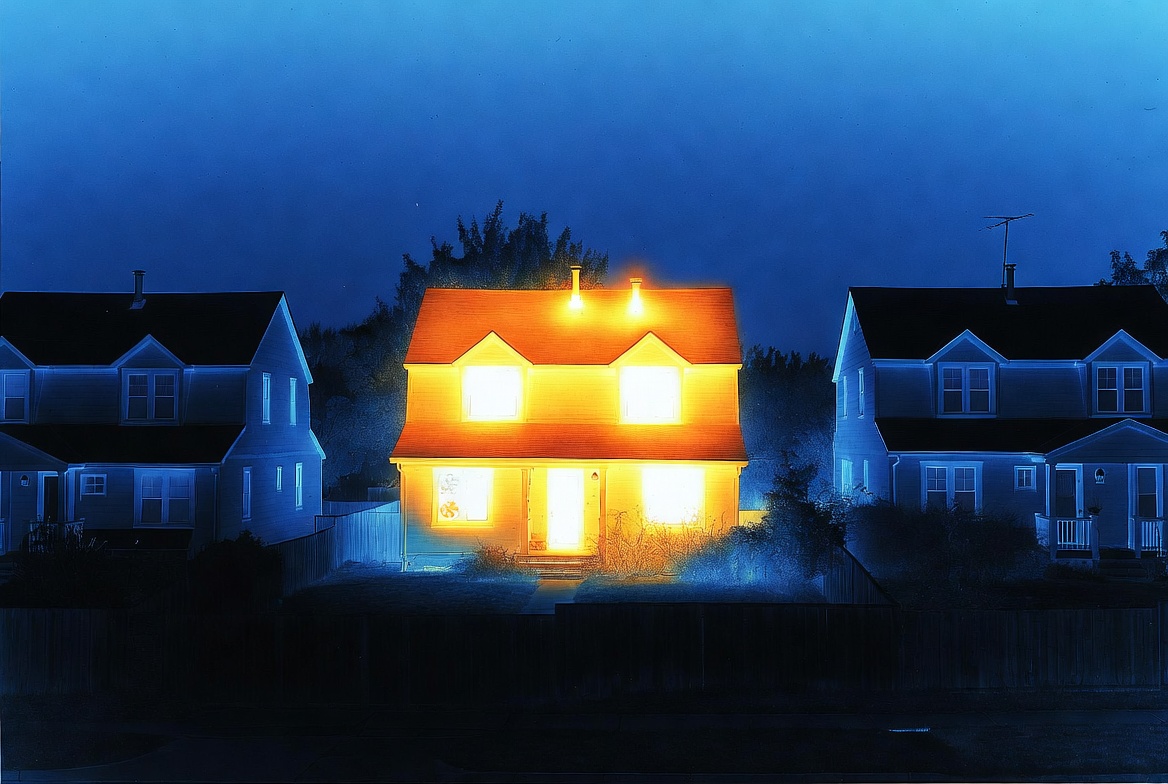
Caption: Thermal/FLIR images reveal unnatural heat patterns that stand out to aerial patrols.
3. Odor Complaints from Neighbors
Cannabis odor is strong and distinctive, especially during flowering. Neighbors noticing persistent smells often file complaints, prompting police to investigate. Smell alone can establish probable cause for further action (warrants, searches).
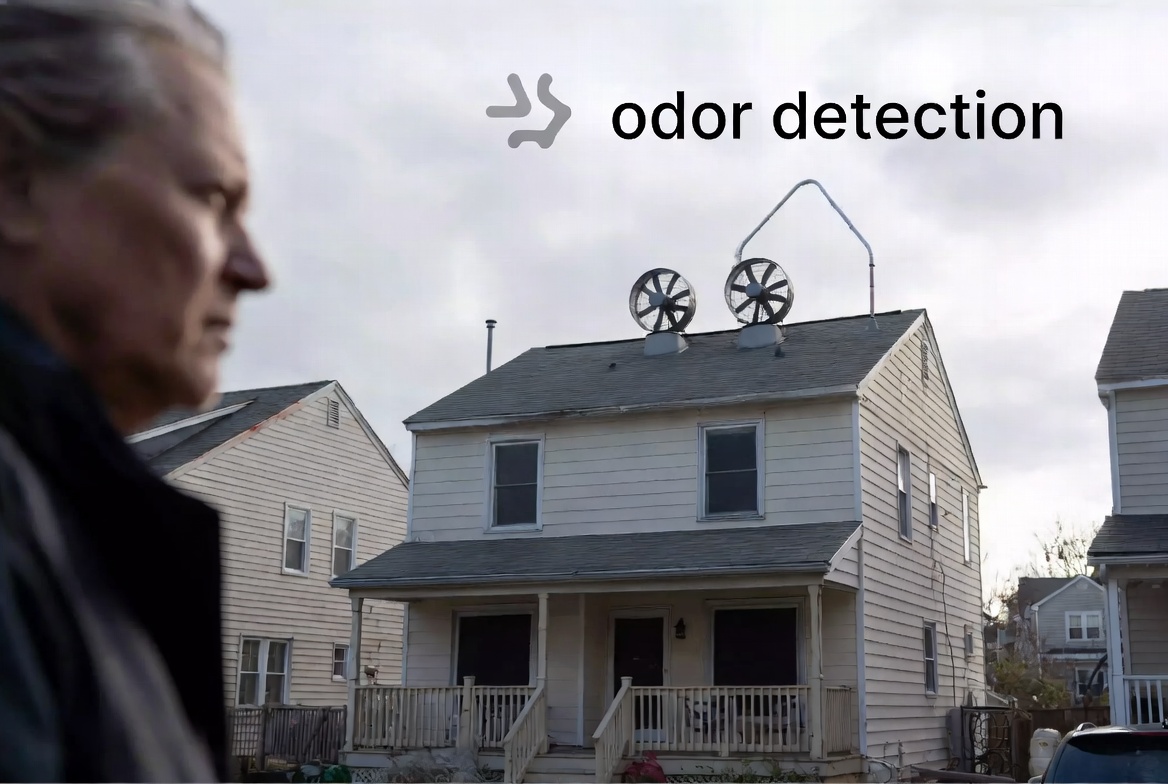
Caption: Strong cannabis odor traveling outside is one of the fastest ways to draw neighbor complaints and police attention.
4. Visual & Physical Signs (Windows, Vents, Modifications)
Investigators look for blacked-out or covered windows (to prevent light leaks), unusual exhaust fans/vents, condensation on windows, or frequent deliveries of grow supplies. These are often spotted during routine patrols or follow-up on tips.
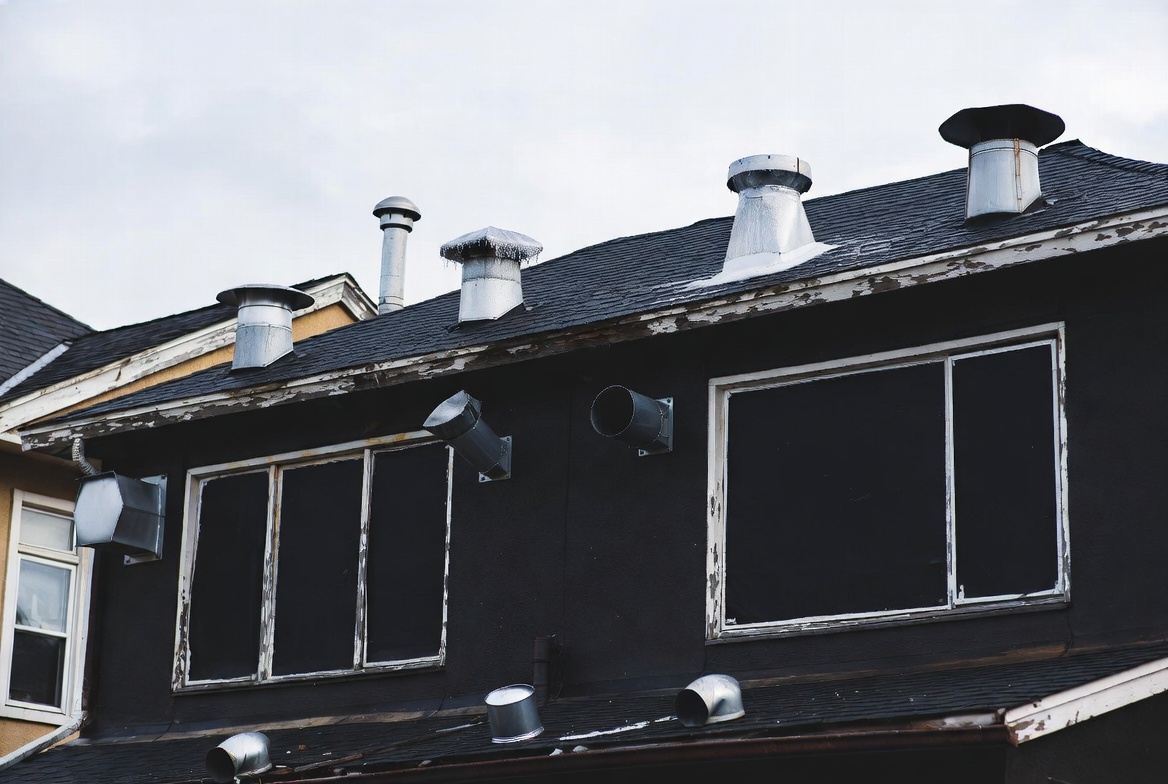
Caption: Blacked-out windows and extra venting are classic visual red flags.
5. Other Common Methods

- Noise: Loud fans, ballasts, or generators can prompt complaints.
- Water Usage Spikes: Hydroponic or high-volume grows increase water bills noticeably.
- Trash Analysis: Discarded grow waste (soil bags, nutrient containers, plant material) in garbage cans.
- Informants & Tips: Tips from neighbors, landlords, or social media posts.
- Traffic Patterns: Unusual vehicle activity or deliveries.
These methods are often combined — a high power bill + neighbor odor complaint + thermal flyover can build a strong case quickly.
Bottom Line for Readers: Unlawful home grows carry real risks and are actively targeted. In states like New Jersey where personal cultivation remains prohibited, the safest path is sticking to legal licensed products. Always prioritize compliance — the cannabis industry is evolving legally, and education helps everyone stay safe and informed.
Nose First, Percentage Second
Lab printouts are useful. They are not the whole story. A cut that smells loud, cured clean, and burns white will outperform a bigger THC number that tastes like cardboard. Ask for the nose. Ask who grew it. Ask what the jar smelled like when it opened — not just what the sticker claims.
At The Stoner Review we score what we actually smoke: flavor, effect shape, ash, and whether we would buy it again with our own money. That is the difference between a menu write-up and a field note.
How We Session It
We start light, then push the dose once the terp profile is clear. Daytime cuts get daylight tests. Heavy indica leaners get evening runs. If a pre-roll or flower cannot survive a real session without canoeing, harshing, or disappearing into generic haze, it does not get a free pass from marketing copy.
Keep notes. Compare against last month's shelf. The culture moves fast; your memory should move with it.
Keep Reading on The Stoner Review
More field notes from the same smoke-stained notebook:
Find more gritty, honest stories, strain reviews, travel guides, and multi-minded stoner perspectives at theStonerReview.com/blog.


