

Identifying male cannabis plants remains one of the most critical skills for any cultivator aiming to protect a high-quality sinsemilla harvest.
Identifying male cannabis plants remains one of the most critical skills for any cultivator aiming to protect a high-quality sinsemilla harvest. A single male plant can release enough pollen to fertilize an entire grow, resulting in seeded flowers instead of the dense, resin-rich buds that define premium cannabis. At theStonerReview.com, we deliver the unvarnished facts drawn from real cultivation experience—practical, reliable guidance that builds trust with readers who return for honest insights they can act on.
Optimal Timing for Sexing

Male plants typically display pre-flowers 3–4 weeks after germination or shortly after switching to a 12/12 light schedule. Females often appear slightly later, between 4–8 weeks. Focus inspections on the nodes, particularly the 4th or 5th from the base, where branches meet the main stem. Use a jeweler’s loupe or macro photography for clarity, as early structures are small.
Males frequently exhibit faster vertical growth, longer internodes, and a more elongated overall structure compared to the bushier development of females.
Primary Visual Indicators
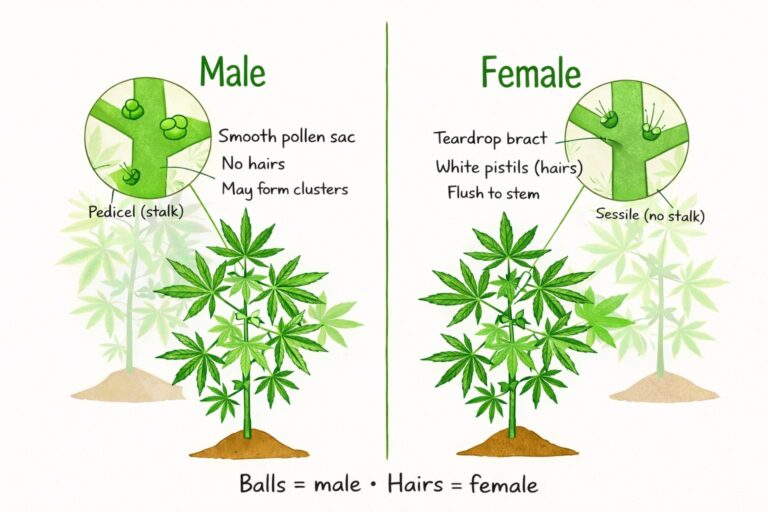
- Male pre-flowers: Appear as small, smooth, rounded pollen sacs—often resembling tiny green grapes or clustered spheres on short stalks. They lack white pistils and may form grape-like bunches as they mature. Early shapes can resemble a spade from a deck of cards.
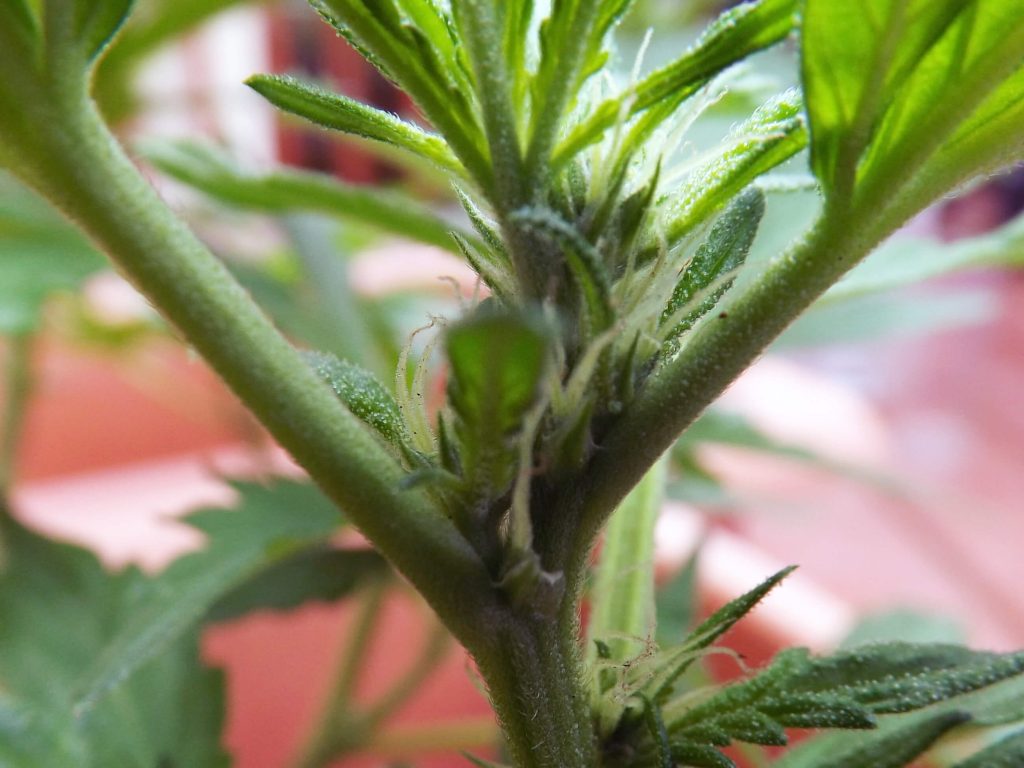
- Female pre-flowers: Present as teardrop-shaped calyxes with two slender white pistils (hairs) emerging like antennae. No rounded sacs are present.
Here are clear visual references for accurate identification:
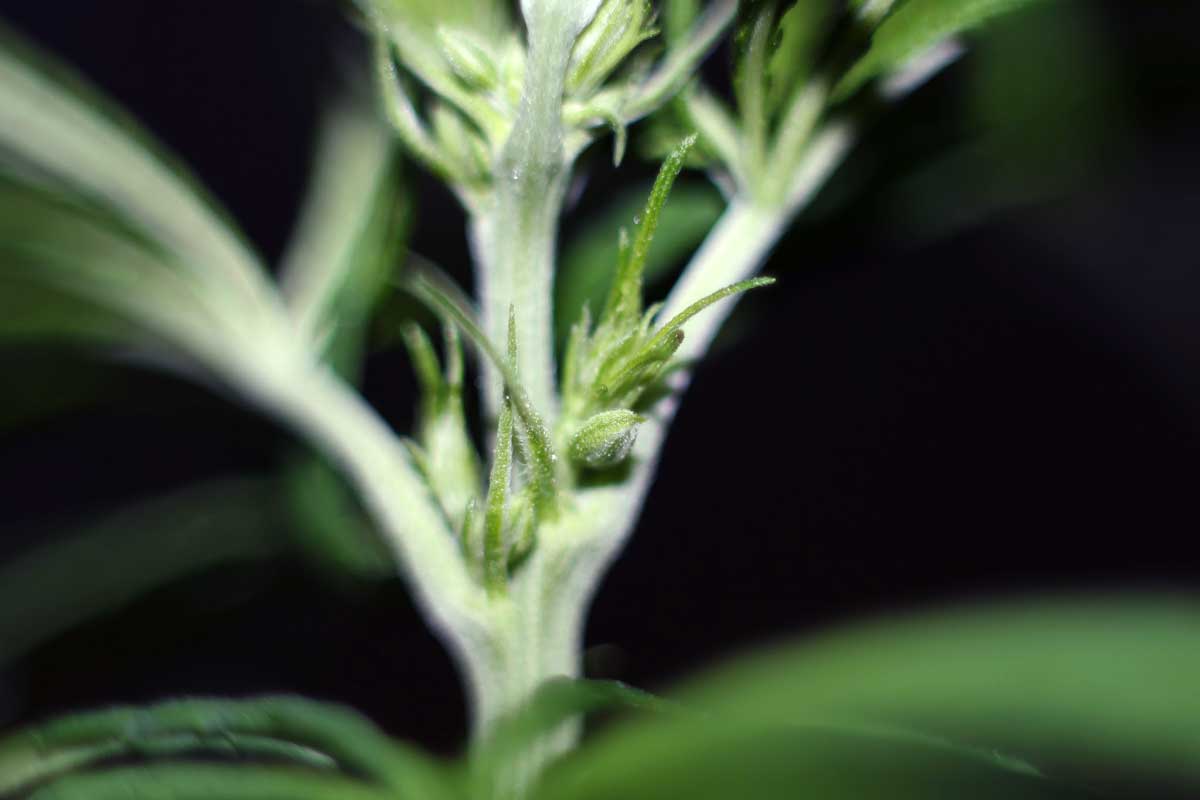
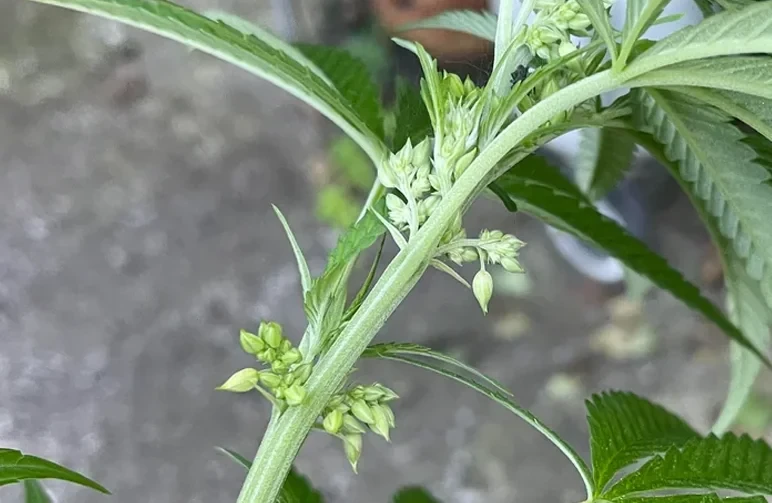
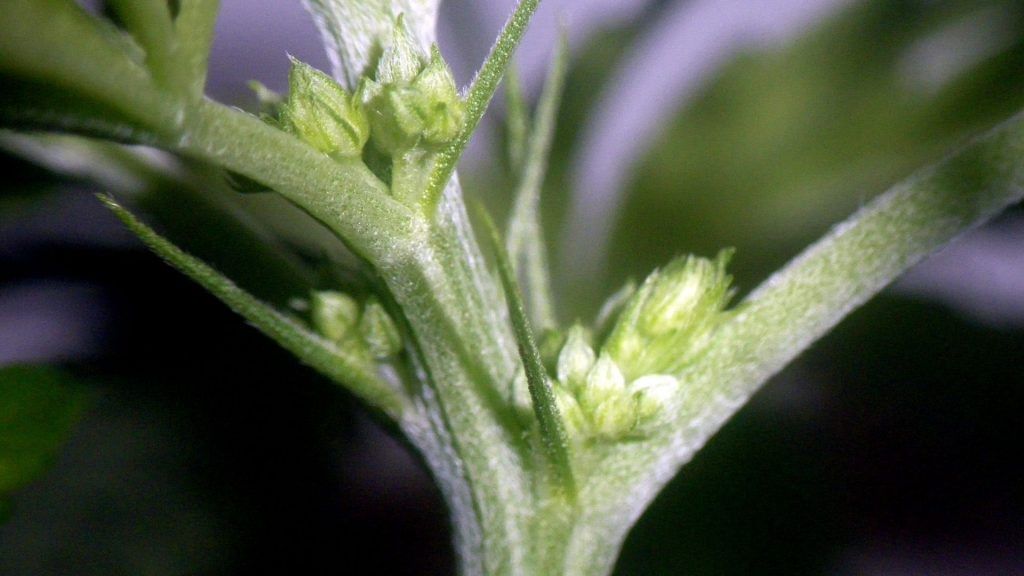
Female examples for comparison:

Side-by-side comparison charts:


Supporting Characteristics and Red Flags
Males tend to produce fewer leaves and display a sparser canopy, prioritizing height for pollen distribution. Females develop more fan leaves and a compact, robust structure. Monitor closely for hermaphroditic traits—plants showing both pollen sacs and pistils—often triggered by stress or genetics. These should also be removed promptly to safeguard the crop.
Recommended Action
Remove identified males immediately. Isolate them if preserving pollen for controlled breeding programs (males can yield valuable genetics or hash material). In standard production grows, dispose of them to eliminate any risk of cross-pollination. Historical accounts from growers consistently show that hesitation leads to significant losses.
This detailed, evidence-based approach to sexing plants supports consistent results and helps cultivators refine their techniques season after season. At theStonerReview.com, our commitment is to provide the kind of straightforward, field-tested information that turns readers into long-term supporters—whether through cultivation knowledge, strain reports from global destinations, or lifestyle content that resonates.
Environment Beats Hype Genetics
Fancy seeds will not save a tent with light leaks, wild VPD, or lazy dry-backs. Dial environment first: stable lights-off temps, honest airflow, and a dry that does not rush the plant into hay. Genetics matter — but only after the room stops lying to you.
Document every run. The growers who improve are the ones who write down what actually happened, not what the forum promised.
Harvest Timing Without the Myths
Trichomes tell more truth than calendar apps. Cloudy with a measured amber percentage beats harvesting because you got impatient. Cure is half the product. If you rush jars, you erase months of work in a week.

Keep the Culture in the Garden
Home grow is not just yield math. It is continuity — the same stubborn plant love that existed before delivery apps. Share clones with people who will respect them. Smoke what you grow before you brag about it online.
One More Pass From the Notebook
We keep revisiting jars, floors, and fits because cannabis culture is not a press release — it is a practice. Come back tomorrow with a clearer nose, a sharper question, and less patience for potency theater. The Stoner Review will still be here, writing like the Wi-Fi might die and the circle outside is the only network that matters.
Support independent cannabis media when the algorithm gets weird. Share the pieces that help somebody shop smarter. And when a brand tries to sand the joke off the plant, remember who was in the room first.
One More Pass From the Notebook
We keep revisiting jars, floors, and fits because cannabis culture is not a press release — it is a practice. Come back tomorrow with a clearer nose, a sharper question, and less patience for potency theater. The Stoner Review will still be here, writing like the Wi-Fi might die and the circle outside is the only network that matters.
Support independent cannabis media when the algorithm gets weird. Share the pieces that help somebody shop smarter. And when a brand tries to sand the joke off the plant, remember who was in the room first.
Keep Reading on The Stoner Review
More field notes from the same smoke-stained notebook:
Find more gritty, honest stories, strain reviews, travel guides, and multi-minded stoner perspectives at theStonerReview.com/blog.


