

Major US Study Finds Marijuana Use Is Damaging Brain Development in Teenagers
Major US Study Finds Marijuana Use Is Damaging Brain Development in Teenagers
In the glow of grow lights and the haze of evolving policy, one truth cuts through the smoke: the teenage brain is not adult terrain. A landmark study released in April 2026 from UC San Diego, drawing on the massive Adolescent Brain Cognitive Development (ABCD) cohort of over 11,000 US youths, delivers the clearest signal yet. Teens who begin using cannabis show slower gains in memory, attention, thinking speed, language, and processing skills compared to their non-using peers as they age through critical developmental years.

This isn’t alarmist headlines or old Reefer Madness rhetoric. It’s longitudinal data from the largest long-term study of brain development in American youth, tracking participants from ages 9-10 into late adolescence with cognitive tests, self-reports, and biological verification (hair, urine, saliva). Lead researcher Natasha Wade, assistant professor of psychiatry at UC San Diego, put it plainly: “Adolescence is a critical time for brain development, and what we’re seeing is that teens who start using cannabis aren’t improving at the same rate as their peers.”
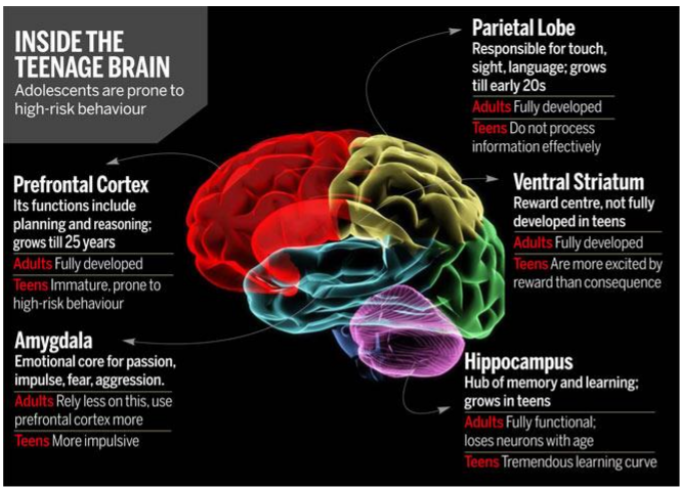
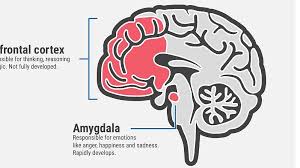
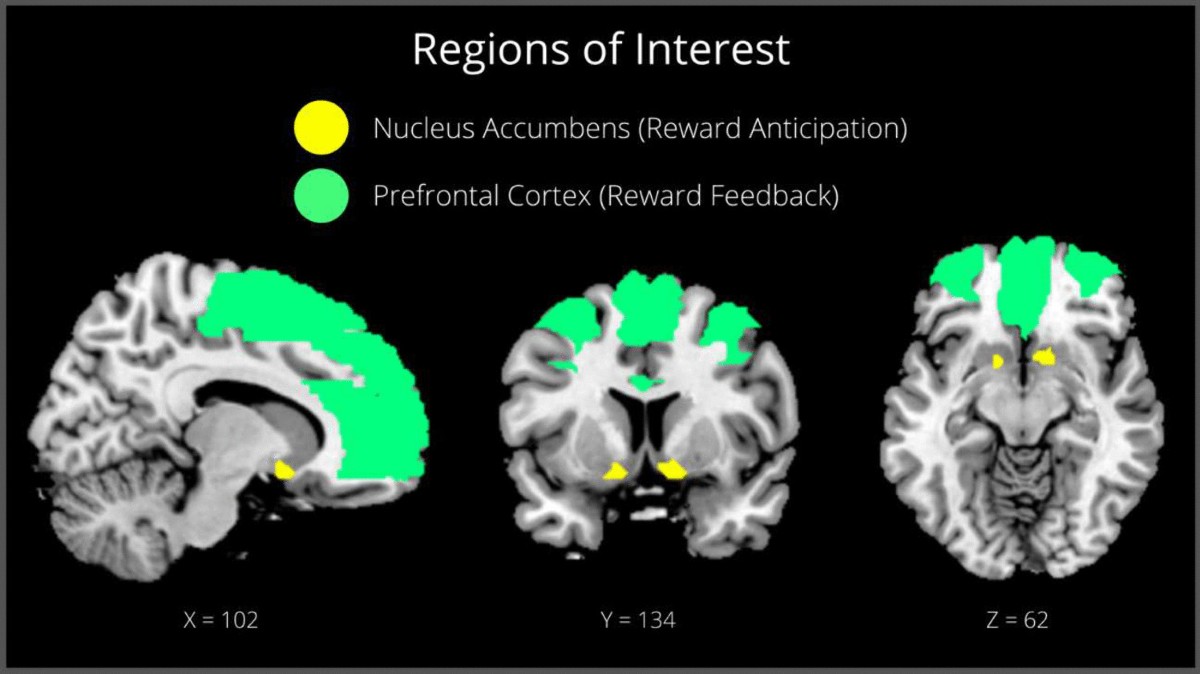
The Developing Brain Under Siege The prefrontal cortex—the command center for decision-making, impulse control, and executive function—doesn’t fully mature until the mid-20s. During the teen years, the brain prunes connections, strengthens others, and builds the neural scaffolding for adulthood. THC, the primary psychoactive in cannabis, interacts with the endocannabinoid system that guides this process. The study found cannabis users’ cognitive trajectories flattened where non-users continued climbing.
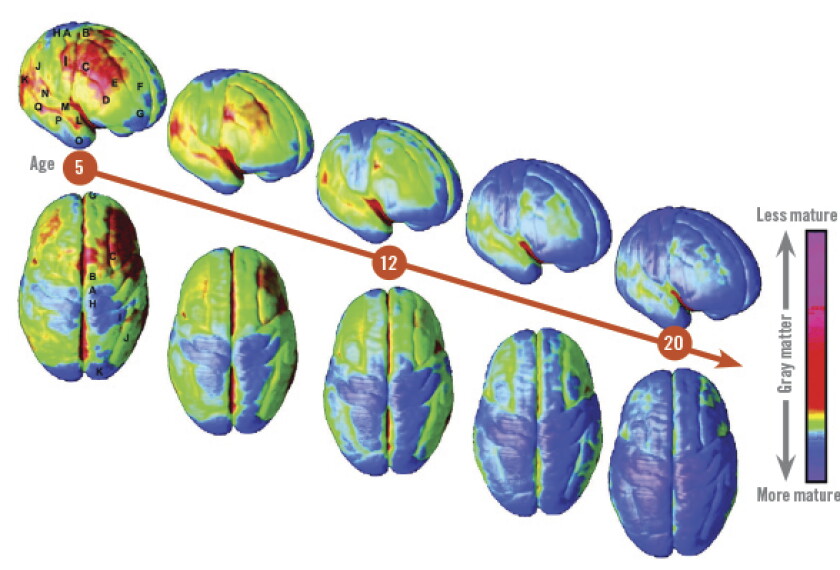
These aren’t catastrophic drops for every user, but small, cumulative gaps in skills that matter for school, relationships, and long-term success. The effects held after controlling for other factors like mental health and polysubstance use.
What the Data Actually Shows (No Spin)
- Slower progress across memory, attention, language, and processing speed.
- Biological confirmation reduced reliance on self-report bias.
- Association, not absolute causation—yet the dose and timing matter. Earlier and more frequent use amplified the divergence.
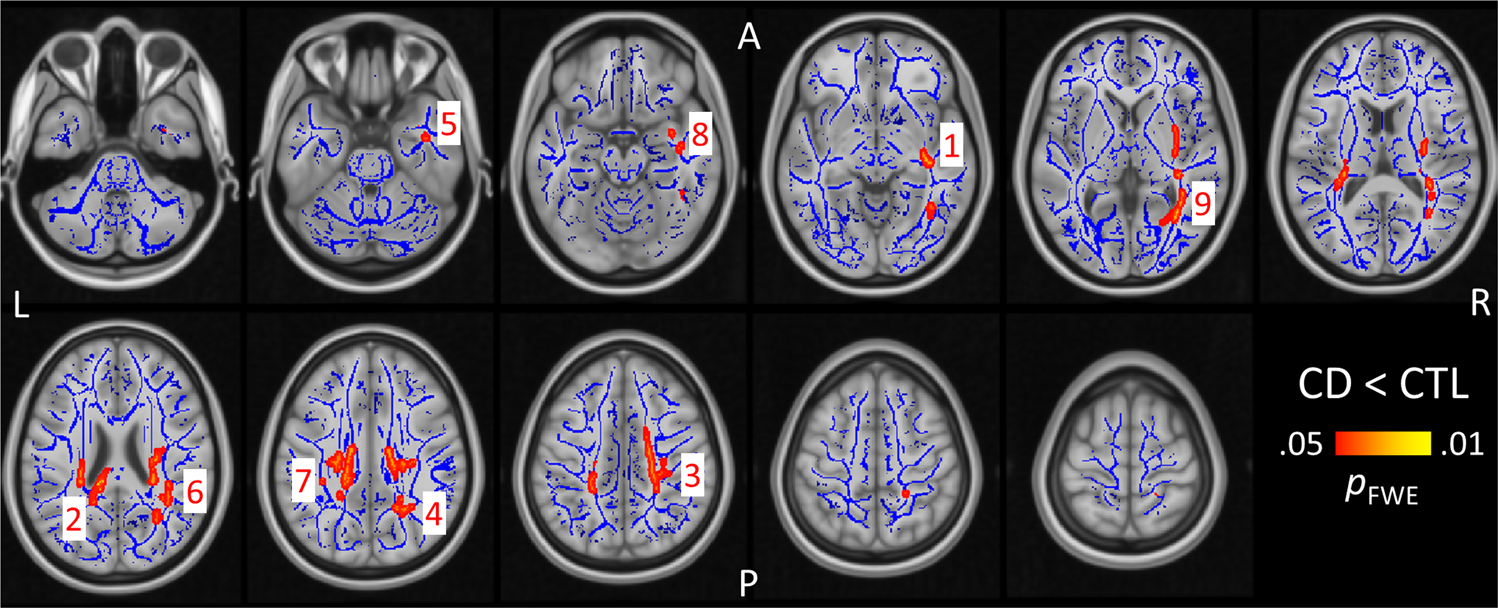
This aligns with broader evidence: the teen brain’s plasticity makes it vulnerable. Heavy or early use has been tied to structural changes, including altered cortical thinning and connectivity in reward and executive regions.
The StonerReview Take: Real Talk for the Culture We’ve chronicled landrace sativas that stretch ceilings and autos that stack jars, celebrating the plant’s power for adults who respect the ritual. But this study demands honesty. Legalization and high-potency products have made cannabis more accessible, while the teen brain remains a work in progress. For heads building the lifestyle—growers, reviewers, community builders—the message isn’t prohibition theater. It’s responsibility: age gates matter, education beats scare tactics, and delaying use until the mid-20s gives the brain its best shot at full wiring.
Parents, educators, and young adults chasing that first proper session: the data says wait. The prefrontal cortex isn’t finished. That clear-headed Haze or relaxing indica hits different—and safer—when the hardware is complete.

Looking Ahead As Schedule III moves forward and markets mature, this research underscores the need for better youth prevention, accurate labeling, and continued study on CBD vs. THC dynamics. The ABCD study will keep tracking these participants—longer-term outcomes will tell more.

At theStonerReview.com, we chase fire genetics and legendary sessions, but never at the expense of truth. The plant is powerful. So is the developing brain. Respect both.
What are your thoughts on this data—personal experiences, questions for future runs, or policy takes? Drop them below. The real conversations build the culture that lasts. Next dispatch dives deeper into adult-use nuance and grow-safe practices.
Stay informed. Stay responsible. Stay lifted—when the time is right. theStonerReview.com—where the culture meets the science.
Clothes Are Soft Signaling
Streetwear will not make you a better smoker. It will tell the room whether you showed up as culture or as a pitch deck. Soft cotton, sharp graphics, and jokes that land with heads still beat logo spam every time.
Shop independent when you can. The uniform of real rooms is recognition, not gatekeeping.
Keep Reading on The Stoner Review
More field notes from the same smoke-stained notebook:
Find more gritty, honest stories, strain reviews, travel guides, and multi-minded stoner perspectives at theStonerReview.com/blog.


