

Panama Red: The Ghost That Still Haunts Dispensary Shelves in 2026
Panama Red: The Ghost That Still Haunts Dispensary Shelves in 2026
You chase it in the menus. You ask the budtender in that low voice like you’re looking for something that isn’t supposed to exist anymore. “Got any Panama Red?” Sometimes they nod. Sometimes they pull a jar that looks the part—those long, curling red pistils catching the light like the strain never left the ’70s. Most of the time they shrug and offer you something “inspired by” or “in the family of.”

That’s the reality of Panama Red right now.
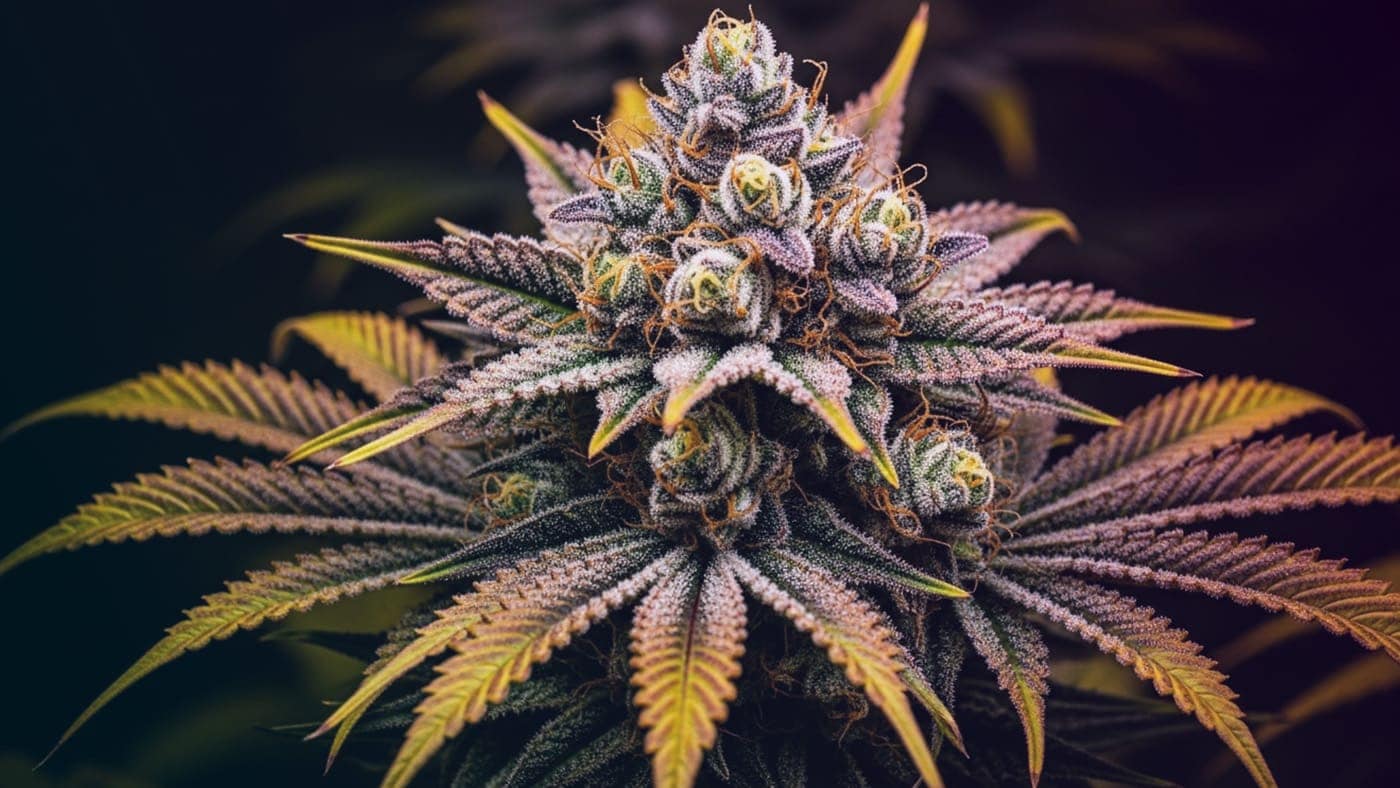
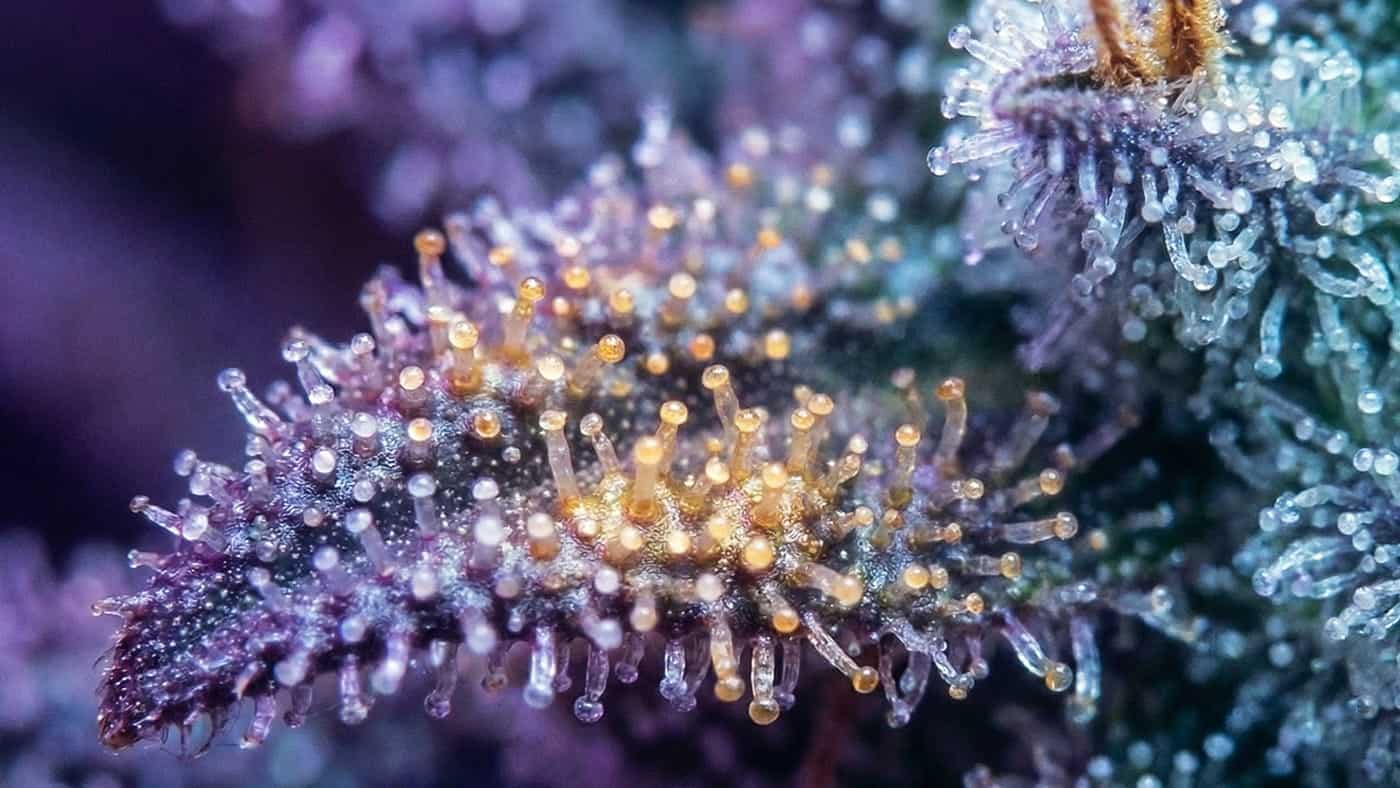
This isn’t some marketing myth cooked up by a seed company last quarter. This is the real one—the pure landrace sativa that rolled out of Panama’s Pearl Islands and the humid jungles in the late ’60s, landed in American hands, and helped soundtrack a whole generation that was already questioning everything. It earned its name honestly: those signature red hairs, the ones that made it stand out in a sea of green when most weed back then was brown and seeded.
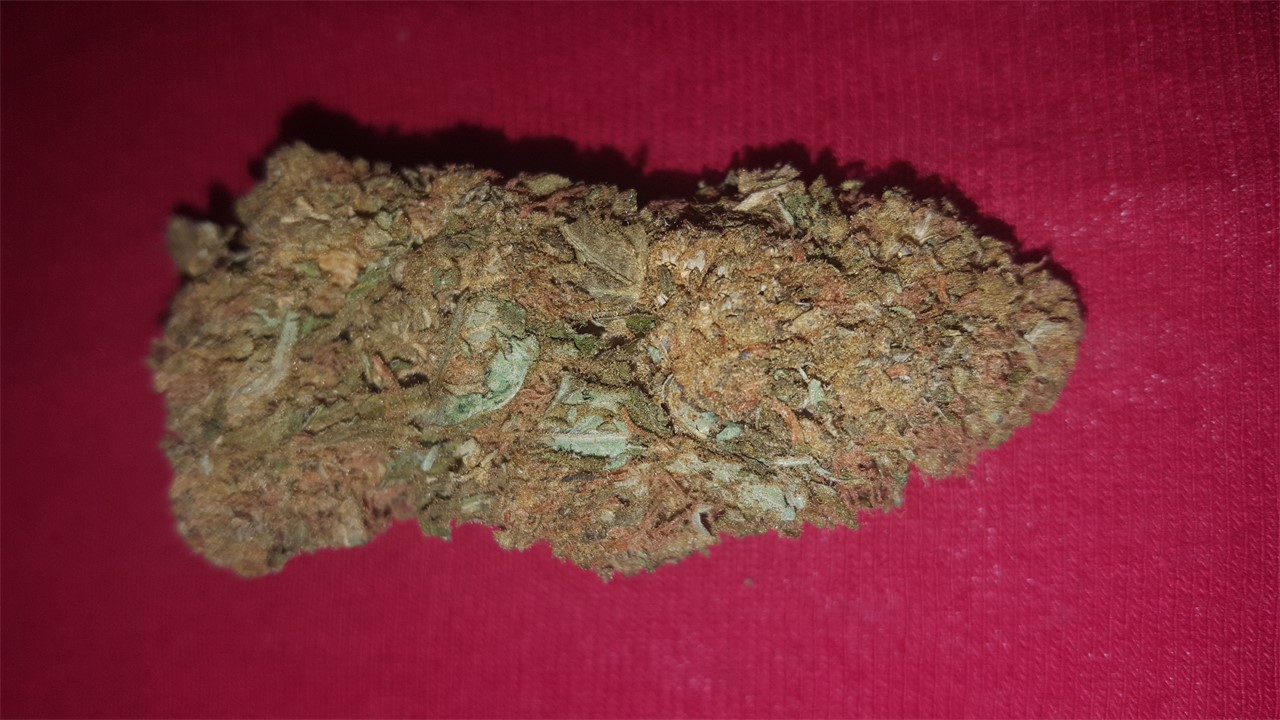
The Origin Story (No Gloss, Just Dirt and Sun)
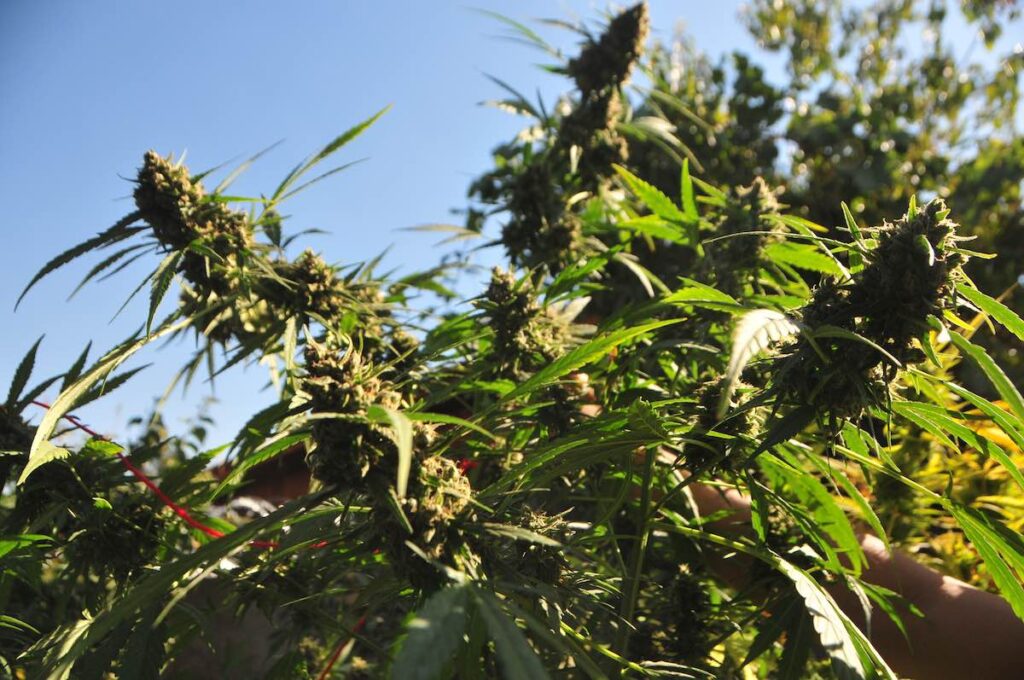
Panama Red is a true equatorial landrace sativa. Not a hybrid. Not stabilized for commercial convenience. It grew wild and selected itself in the tropical heat and humidity of Panama—long flowering cycles (often 12–16 weeks or more), tall lanky plants built to stretch toward that relentless sun, and a high that hit different because the genetics had never been rushed or crossed for yield.
It got famous fast once it hit U.S. shores. Soldiers, sailors, travelers, and the first wave of serious heads brought it back. By the early ’70s it was the strain people talked about when they wanted something that felt electric, clear, and borderline psychedelic without the heavy body lock of later indicas. The high was cerebral, talkative, creative, and long-lasting. It could make you want to paint, argue philosophy, or just stare at the ocean for six hours straight. It could also tip sensitive heads into paranoia if you overdid it—classic high-test sativa behavior.
Then the ’80s happened. Faster hybrids, indoor grows optimized for profit, and the slow death of true landraces in commercial circulation. Panama Red nearly disappeared from legal and semi-legal markets. What survived lived in private collections, old-school growers who refused to let it go, and eventually heritage breeders who started hunting down the real genetics again in the 2010s.
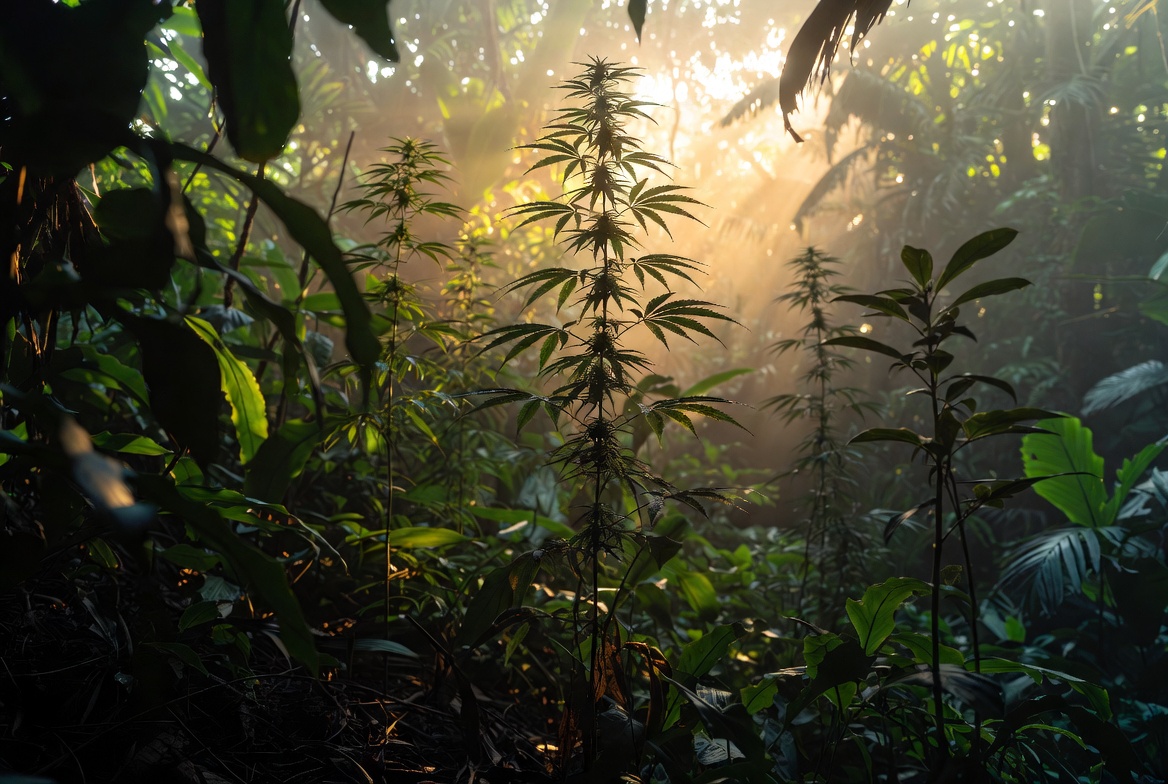
What It Actually Smells, Tastes, and Feels Like
Expect a layered profile: earthy and herbal at the base, bright tropical citrus (often grapefruit or sweet orange), spicy herbal tea notes, and sometimes a clean pine or woody edge. The terps usually lean myrcene, pinene, limonene, and sometimes terpinolene or caryophyllene. It’s not the loudest or sweetest modern strain, but it’s distinctive and smooth when grown and cured right.
The high is the star. Uplifting and energizing without the jittery crash some modern sativas deliver. Clear-headed enough for daytime, social enough for conversation that actually goes somewhere, creative enough that a lot of people still call it a “thinking person’s weed.” There’s often a gentle body ease that creeps in later, but it never pins you to the couch like a heavy indica. Done right, it’s functional euphoria with a side of “I should probably start that project now.”
The Stoner Review Score: 8.8/10 Legacy & Authenticity: 9.5 Modern Consistency: 7 Effects: 9 Flavor: 8 Value in Today’s Market: 8 (when you actually find a good cut)
The Versions Running Around Dispensaries Right Now (June 2026)
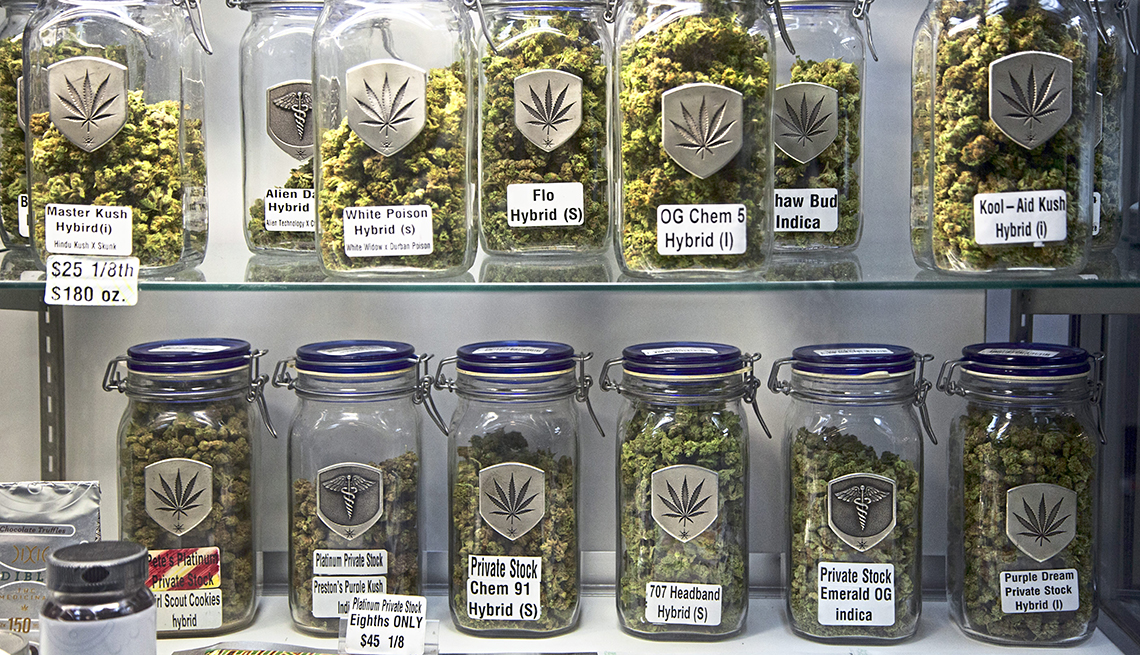
This is where it gets honest. True, unadulterated Panama Red landrace is still rare. Most of what you’ll see labeled “Panama Red” falls into a few categories:
1. The Alt Sol Cut (East Coast standout) One of the more respected commercial versions circulating. Grown by Alt Sol and showing up in DC dispensaries (Mr. Green, Wishing Wellness, etc.) and occasionally making its way to NY spots. Reports put it in the 18–23% THC range, sativa-leaning, with that classic sweet red earth / pine / herbaceous spice profile. It’s not the slowest landrace phenotype, but it carries real heritage genetics and delivers the energetic, clear high people chase. When this one drops, it moves.
2. Seed Bank Recreations (Panama x Colombia lines) Several breeders offer feminized “Panama Red” that’s technically a cross or stabilized selection drawing from Panamanian and Colombian landrace stock. These are more consistent, often faster flowering than pure 16-week landraces, and easier for commercial grows. The high and flavor can be close, but you’re getting a refined version rather than the raw original. Good for home growers who want the spirit without the endless wait.
3. “Inspired By” or Loose Marketing Versions Plenty of strains borrow the name or the red-hair aesthetic for shelf appeal. Some are solid sativas. Some are just whatever the grower had that week with a catchy label. You’ll know the difference in the first few pulls—real Panama Red has a clarity and tropical spice that cheap copies usually miss.
4. Heirloom / Private Cuts The real unicorns. Old family lines, preservation projects, and small-batch growers who kept the slow, pure genetics alive. These show up in very limited drops, private sales, or collector circles. If you see one from a grower who actually talks about flowering time and provenance, pay attention.
5. THCA / Hemp-Derived “Panama Red” Legal in more places, these are bred-down versions with the look and some of the energetic effects but compliant cannabinoid levels. Fine for daytime if that’s your only access, but they rarely match the potency or depth of the real flower.
In New Jersey and the broader tri-state area, you’re more likely to see the Alt Sol style drops or solid landrace-inspired sativas than a pure 1970s Pearl Islands cut. Menus rotate fast—set alerts or ask your local spots when heritage sativas come in. The good ones don’t sit long.
Why This Still Matters in 2026

We’re in a weird era. Federal rescheduling talk, corporate grows pumping out the same five terp profiles, and a whole generation that never got to smoke weed that took its time. Panama Red is a reminder that cannabis used to be slower, wilder, and more regional. It grew where it grew because that’s where it thrived, not because someone optimized it for a 60-day cycle and Instagram likes.
Chasing it teaches you patience. It teaches you that the best versions are the ones with stories attached—grower, phenotype, curing method, not just a lab number on a bag. And when you do find a good batch, it still delivers that old-school feeling: head clear, spirit lifted, ready to actually live instead of just consume.
Final Hit
Panama Red isn’t the easiest strain to find done right. It’s not the flashiest. But when it’s real—when those red pistils are loud and the high stays clean and electric for hours—you feel the difference. It’s not nostalgia. It’s proof that some genetics were already perfect before anyone tried to “improve” them.
If you’ve smoked a version lately, drop it in the comments. Which dispensary? Which grower? Did it have that grapefruit-tea spice or was it more earthy and pine? The real ones are still out there. You just have to hunt like the old heads did.
Stay lifted. Stay curious. And keep the culture honest.
This is the kind of story The Stoner Review was built for—gritty, rooted, and real. The shirts we make? They carry the same energy. The lifestyle isn’t just what you smoke. It’s how you move through the world while you’re doing it.
Now go find some red.
Sources for this piece include verified strain databases, dispensary reports from East Coast markets, and historical accounts of landrace sativas. Always check current menus and lab results—cannabis varies batch to batch.
What version of Panama Red have you actually smoked in the last year? Be honest in the comments. That’s how we keep the real ones alive.
Keep Reading on The Stoner Review
More field notes from the same smoke-stained notebook:
Find more gritty, honest stories, strain reviews, travel guides, and multi-minded stoner perspectives at theStonerReview.com/blog.


