

The Complete Story of Cookies: From Bay Area Strain to Global Cannabis Empire
The Complete Story of Cookies: From Bay Area Strain to Global Cannabis Empire
New York City, May 2026 – Cookies stands as one of the most recognizable and influential cannabis brands in the world. It blends premium genetics, authentic street culture, music, and savvy branding into a lifestyle empire that transcends traditional weed companies. What began as a collaboration over a legendary strain has grown into a multi-hundred-million-dollar operation with proprietary cultivars, retail stores, apparel, and international reach.

Origins: San Francisco Roots (Early 2000s–2010)
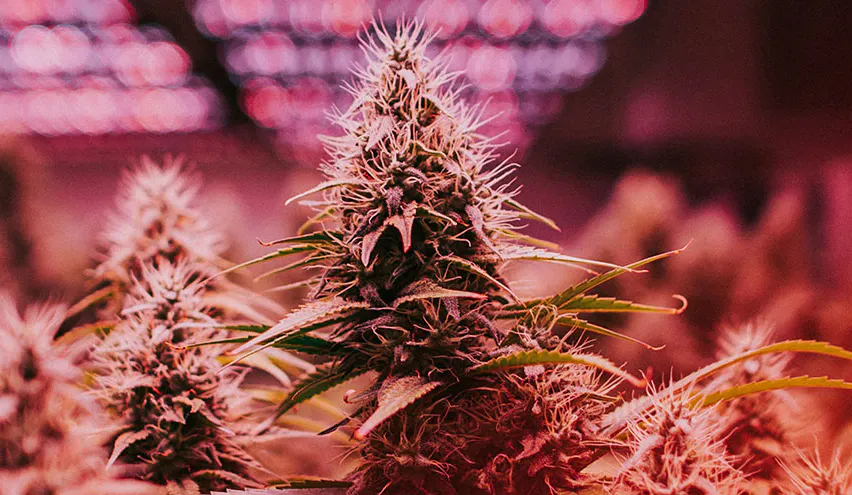
The story starts in the Bay Area’s medical cannabis scene. Gilbert Milam Jr., better known as the rapper Berner, worked at a San Francisco dispensary (The Hemp Center) after California’s 1996 Compassionate Use Act. There, he connected with cultivator and breeder Jai Chang (known as Jigga or Jai), a master grower with exceptional genetics.
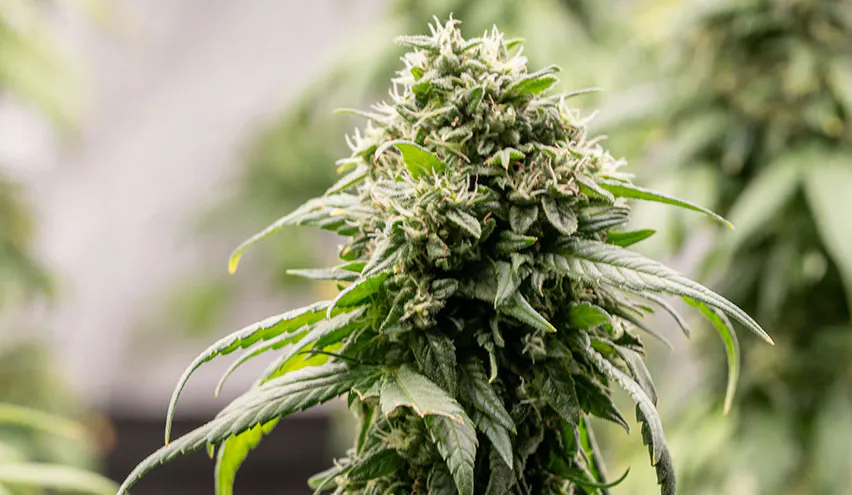
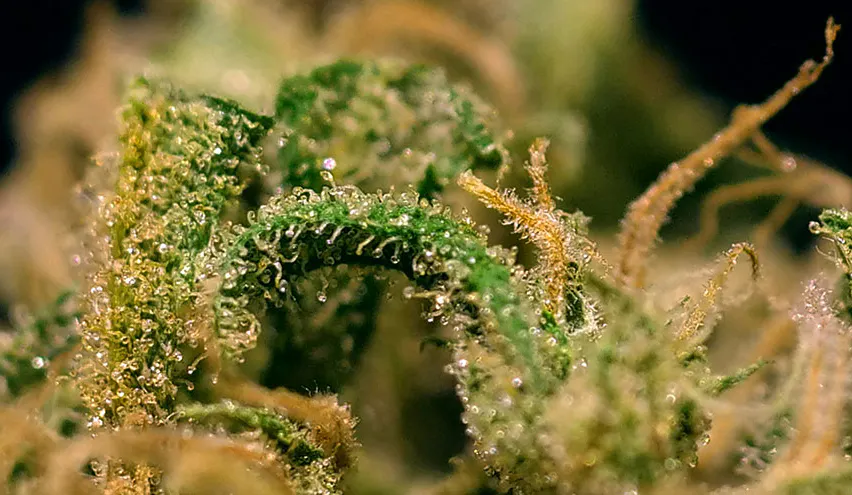
In the late 2000s, Jigga developed a standout hybrid — a cross involving OG Kush, Durban Poison, and Granddaddy Purple influences — initially called something like “Cherry Pie Kush” or similar. Berner, eating actual Girl Scout cookies one day, renamed it Girl Scout Cookies (GSC) for its sweet, minty, earthy flavor and potent, balanced effects. The strain quickly gained cult status among locals, rappers, and the street scene.
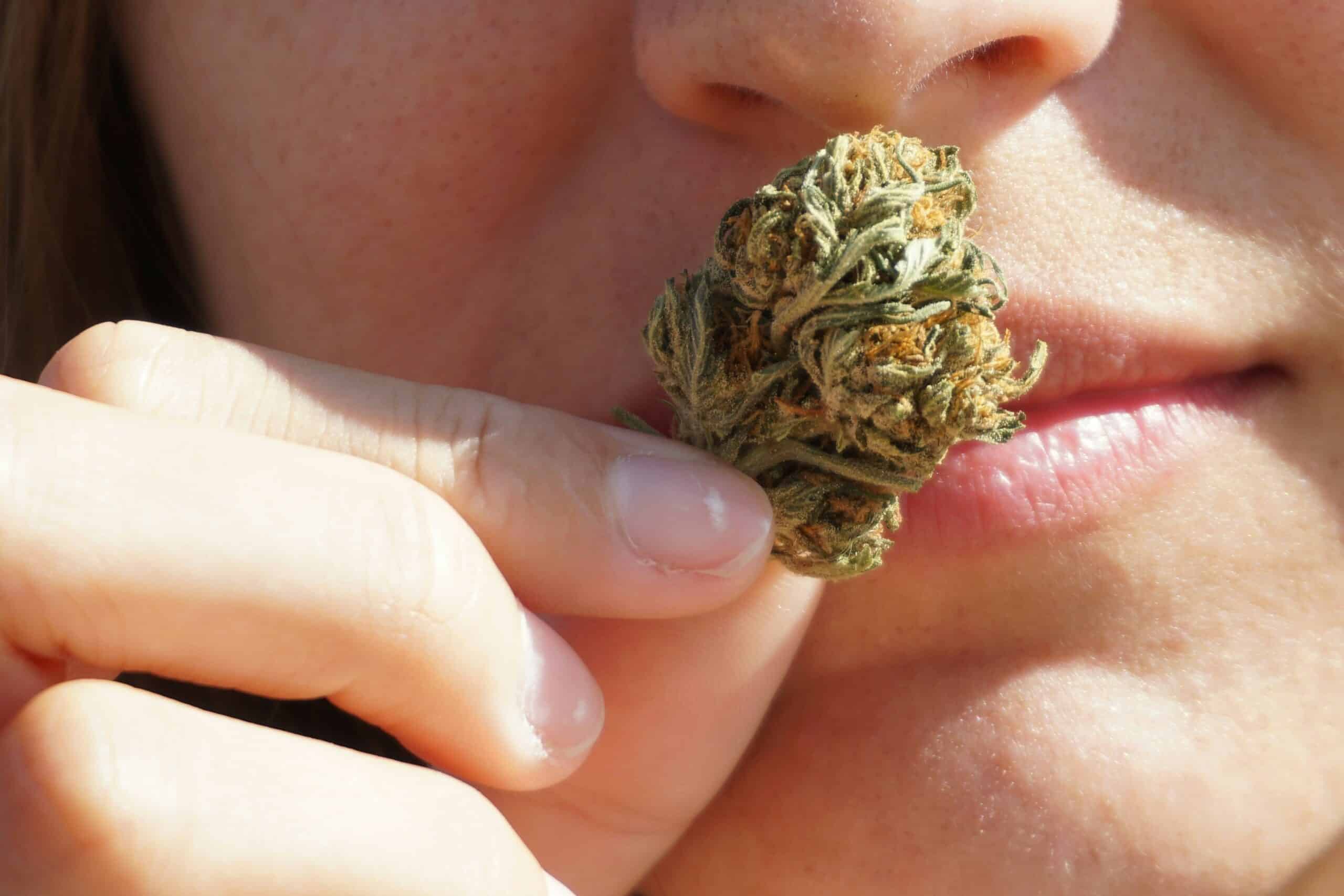
In 2010, Berner and Jai officially founded Cookies, merging Berner’s cultural influence, music career, and marketing vision with Jai’s cultivation expertise. They operated from a San Francisco garage initially, emphasizing authenticity and top-tier genetics over mass production.
Breakthrough: Girl Scout Cookies and Cultural Explosion (2010–2018)
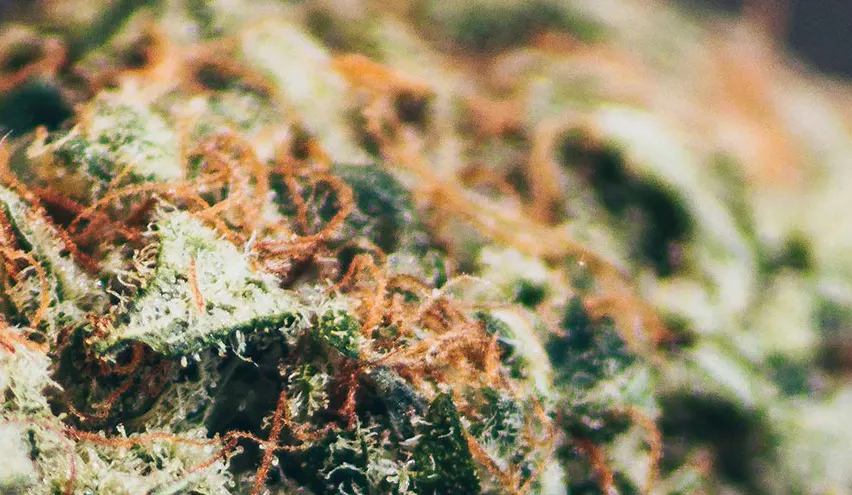
GSC exploded in popularity. Its distinctive sweet, earthy, minty profile with uplifting yet relaxing effects made it a favorite. Berner leveraged his rap career (collaborations with Wiz Khalifa and others) and social media to promote it relentlessly. He wore Cookies-branded gear in videos, and artists name-dropped the strain.
A cease-and-desist from the Girl Scouts organization led them to shorten it to simply Cookies. The brand expanded beyond flower into apparel, creating a lifestyle identity rooted in hip-hop, hustle, and community. The first Cookies clothing store opened in San Francisco, blending streetwear with cannabis culture.
Expansion: Retail, Global Reach, and Empire Building (2018–Present)
- 2018: First Cookies dispensary opened in Los Angeles.
- Subsequent years saw rapid growth through licensing and partnerships (asset-light model), reaching dozens of stores across the U.S. (California, Florida, New York, etc.) and internationally (Canada, Israel, Thailand, and more).
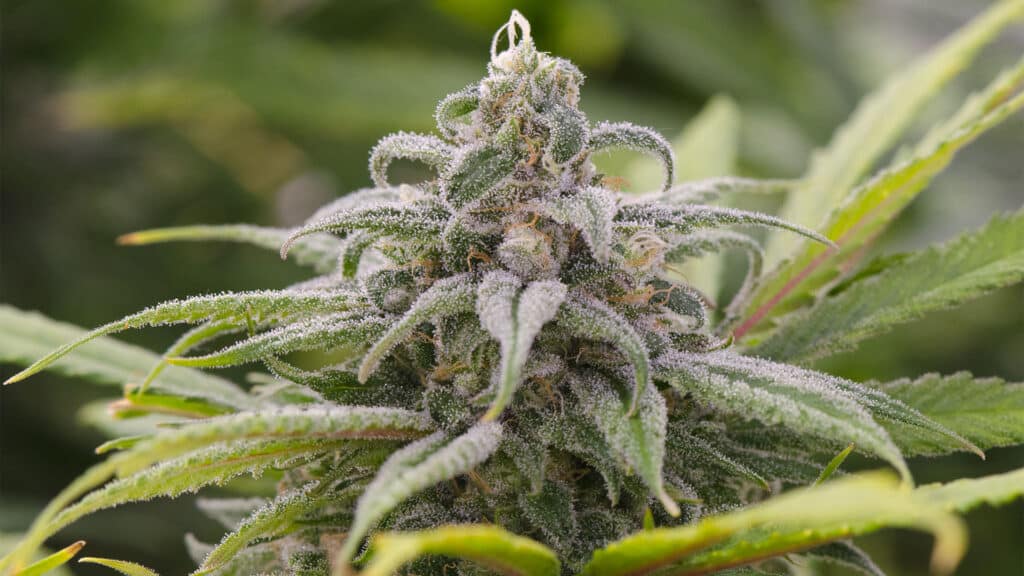
- By the mid-2020s, Cookies boasted over 70 proprietary strains (e.g., Gary Payton, London Pound Cake, Cereal Milk, Gelatti), thousands of products, and a footprint in multiple countries.
Berner positioned Cookies as more than weed — a cultural movement emphasizing quality genetics, community reinvestment, and authenticity. The brand pioneered sports collaborations (e.g., Gary Payton) and maintained strong ties to music and street culture.
Challenges and Controversies
Like many cannabis brands, Cookies has faced hurdles:
- Legal disputes with retail partners over royalties and IP misuse.
- Judgments and financial pressures (e.g., 2025 reports of revenue redirection and insolvency risks in some deals).
- Broader industry issues like market saturation, regulatory changes, and competition from MSOs.
- Occasional criticism around brand authenticity and licensing practices common in the space.

Despite these, Cookies has endured as a premium name, with Berner emphasizing legacy-building after overcoming personal health challenges (including cancer).
Legacy and Current Status (2026)
Cookies remains a leader in “genetics-first” cultivation, with in-house breeding, sun-grown/outdoor options, and strain-specific products. It operates as a lifestyle brand with clothing, events, and community initiatives. Valuation estimates have fluctuated (Forbes once called it a billion-dollar empire), reflecting the volatile cannabis market, but its cultural cachet endures.
Why Cookies Matters: It proved cannabis could be a premium, culturally resonant brand in a stigmatized industry. Berner and Jai’s story — from garage grows and street hustle to global recognition — embodies the American dream reimagined through weed culture.
Final Verdict: 9.3/10 Cookies transformed a popular strain into a global phenomenon by prioritizing authenticity, quality, and storytelling. In 2026, it continues to influence how cannabis brands build identity beyond the product.
Pro tip for The Stoner Review readers: Look for verified Cookies genetics and licensed stores for the real experience. Strains like Gary Payton or Blue Raz often stand out — try them in different formats to appreciate the full spectrum.
Stay informed. Stay lifted. Visit theStonerReview.com from the heart of New York City for more brand deep-dives, strain profiles, and industry stories. What other cannabis brand or figure should we explore next? Let us know in the comments!
Keep Reading on The Stoner Review
More field notes from the same smoke-stained notebook:
Find more gritty, honest stories, strain reviews, travel guides, and multi-minded stoner perspectives at theStonerReview.com/blog.


