

The Comprehensive Guide to Trichome Maturity: An Authoritative Reference for Precise Harvest Timing in Cannabis Cultivation
The Comprehensive Guide to Trichome Maturity: An Authoritative Reference for Precise Harvest Timing in Cannabis Cultivation
Trichomes are the microscopic glandular structures on cannabis plants that produce and store cannabinoids, terpenes, and other compounds essential to the plant's chemical profile. Understanding their development stages enables growers to determine optimal harvest windows with accuracy, maximizing potency, flavor, aroma, and desired effects while minimizing degradation. This guide synthesizes established horticultural principles and visual references into a detailed resource for cultivators at all levels.

The Biology of Trichomes
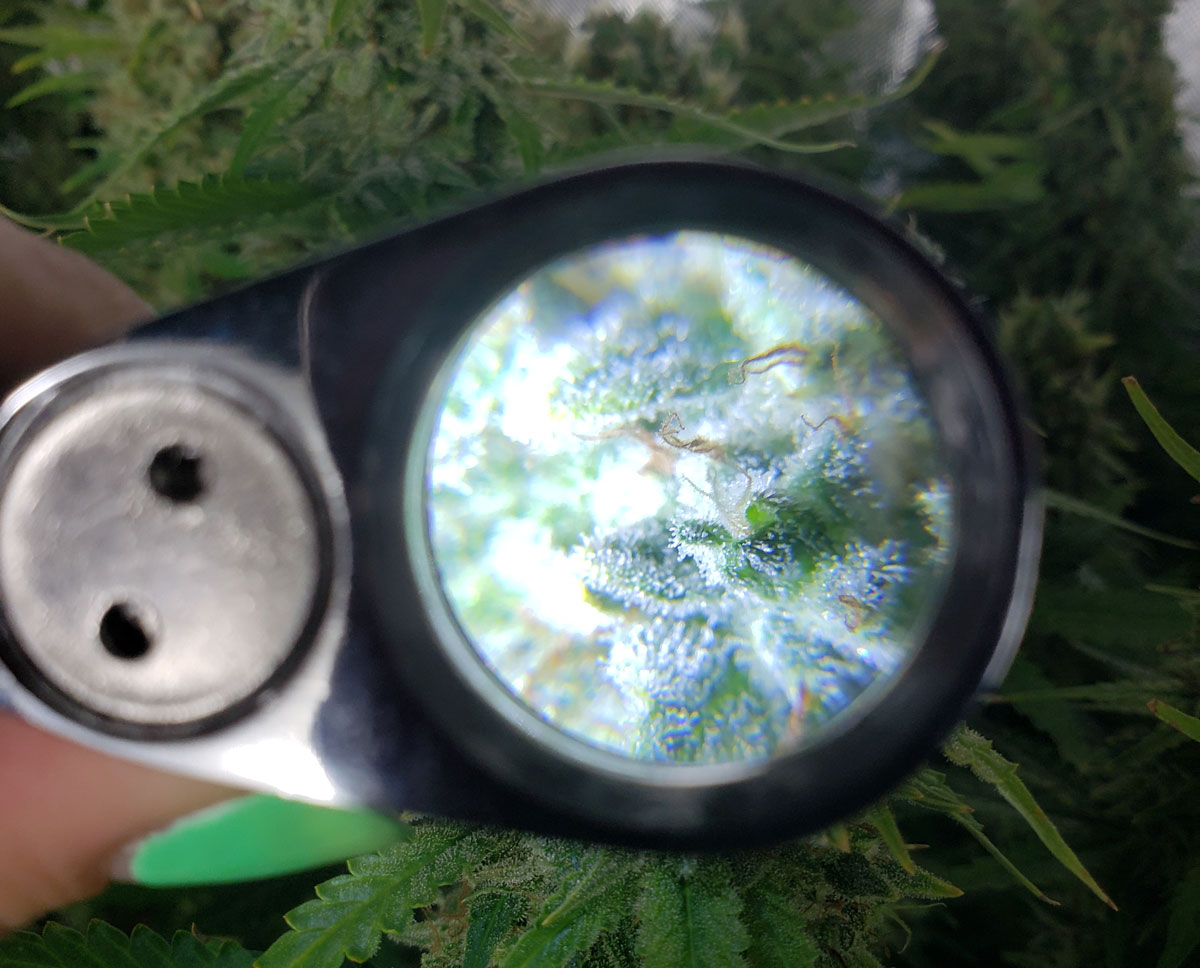
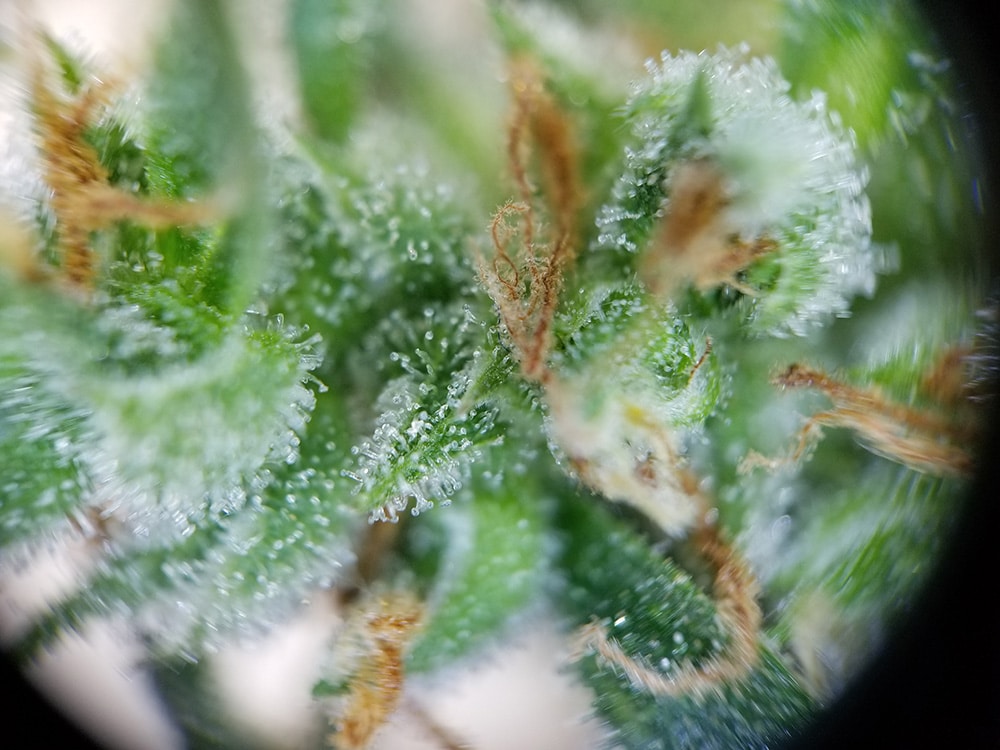
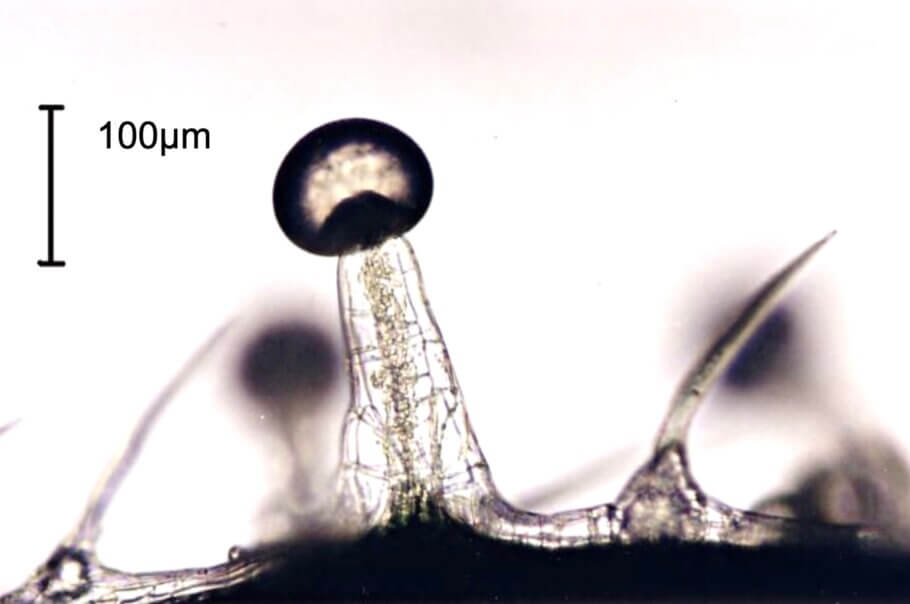
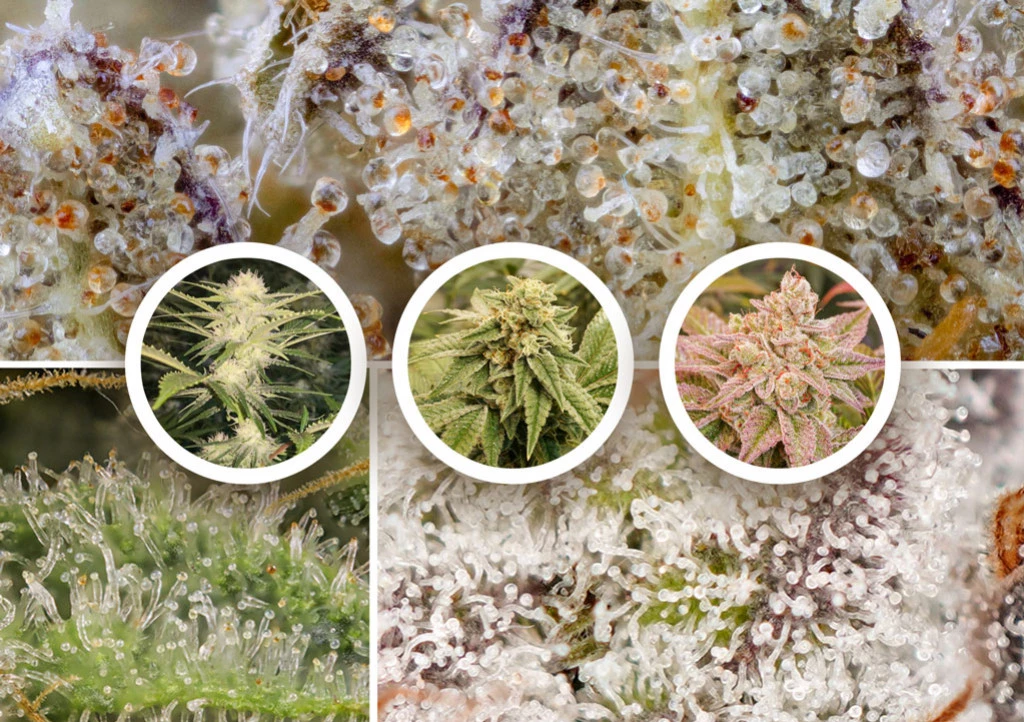
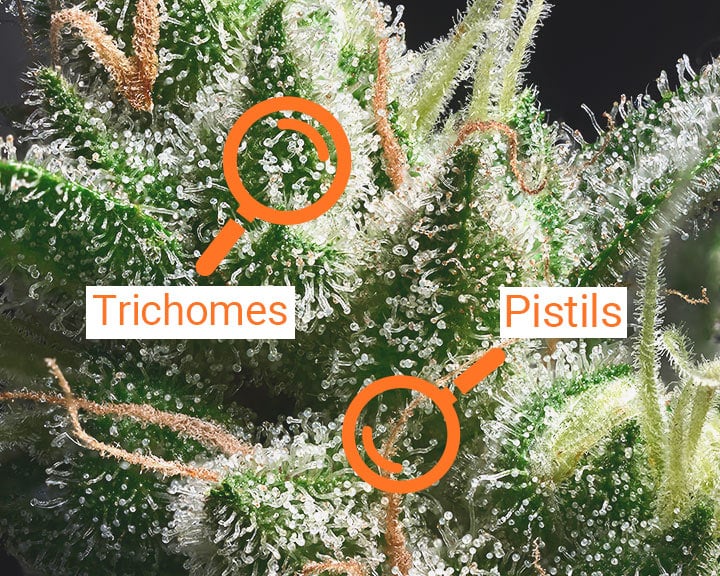
Trichomes consist of a head (where cannabinoids and terpenes accumulate), a stalk (which transports nutrients), and a base. They appear as tiny, crystal-like formations visible to the naked eye in dense clusters but require magnification—typically a jeweler's loupe (60x–100x) or microscope—for accurate assessment. Monitoring focuses on trichome color, opacity, and structural integrity rather than pistils alone, as pistils provide supplementary but less reliable indicators of maturity.
Trichome Structure
- Head: Primary site of cannabinoid and terpene synthesis.
- Stalk: Delivers precursors to the head.
- Bulb: Anchors the structure to the plant surface.

Four Stages of Trichome Maturity
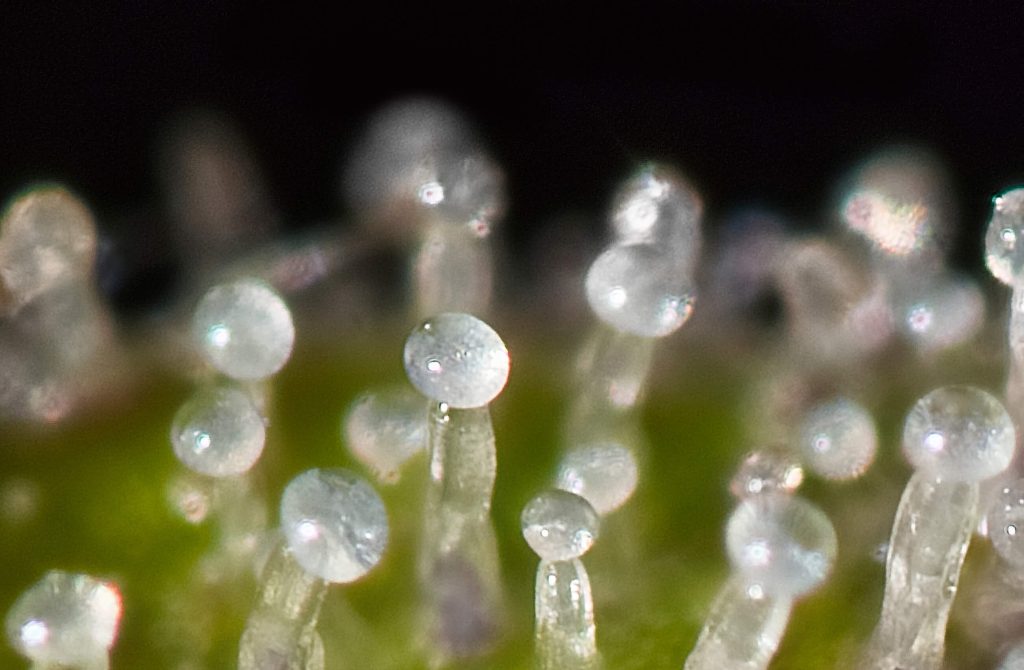
1. Clear (Immature) Stage At this early phase, trichomes appear glass-like and transparent. Cannabinoid content is primarily in precursor form (such as CBGA converting to THC), with terpenes not fully developed. Effects tend to be minimal and short-lived. Harvesting at this stage is not recommended, as the plant requires additional time for compound accumulation. Growers should continue monitoring and allow further development.

2. Cloudy / Milky (Peak Potency) Stage Trichomes transition to an opaque, milky white appearance as cannabinoid and terpene production reaches its maximum. This stage delivers the highest THC levels alongside fully expressed aromas and flavors. It supports energetic, uplifting, and cerebral characteristics suitable for various applications. This represents the primary target for many cultivators seeking balanced or daytime outcomes.
![What do trichomes look like when ready to harvest? [Ready-to-Harvest Trichome Picture Gallery] | Grow Weed Easy](https://www.growweedeasy.com/wp-content/uploads/2022/11/perfectly-ripe-trichomes-cloudy-one-or-two-ambers-cannabis.jpg)

3. Amber (Late Maturity) Stage Trichomes develop a golden, tea-colored, or amber hue as THC begins converting to CBN and other compounds. This shift promotes more sedative, relaxing properties. A moderate percentage of amber trichomes can enhance body-focused effects and support applications such as pain relief or sleep aid. Excessive amber indicates progression toward degradation.
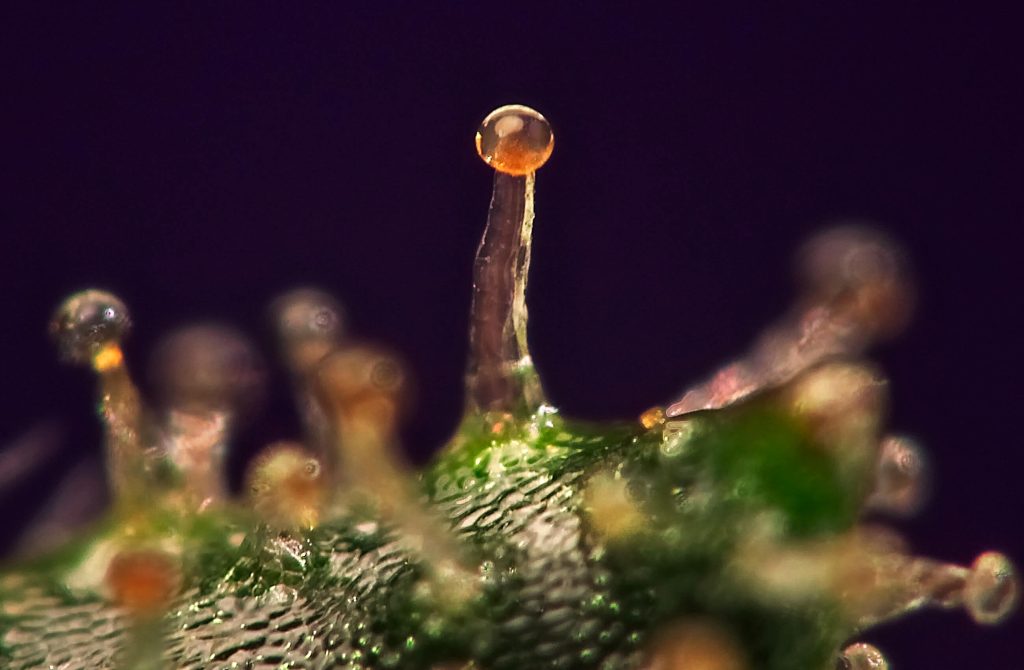
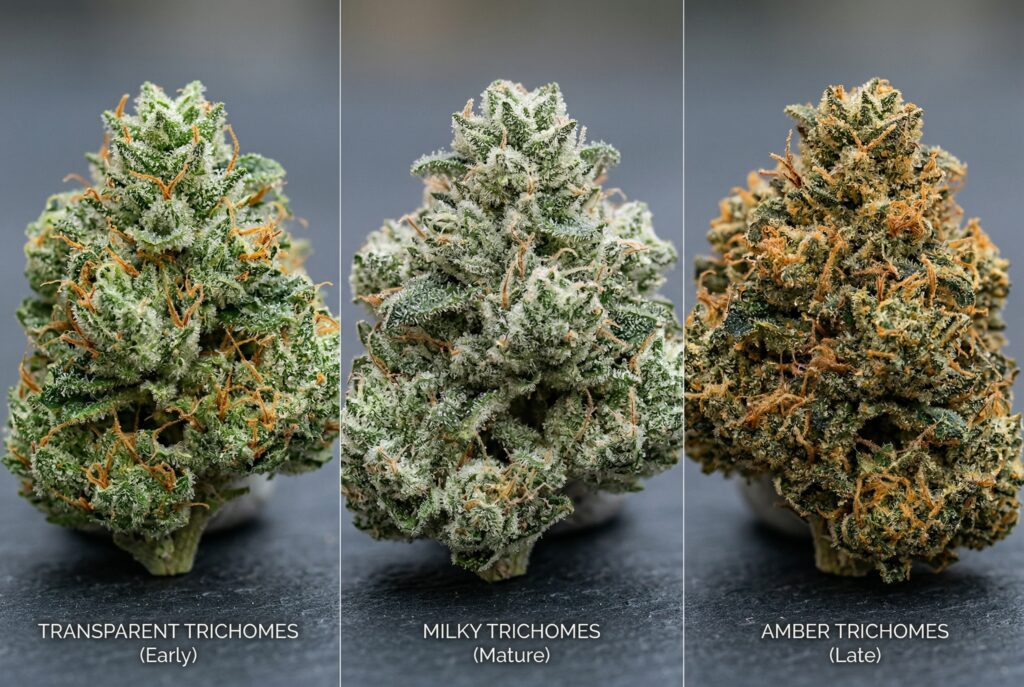
4. Over-Aged (Degraded) Stage Trichomes turn dark amber or brown and appear shriveled. Cannabinoid potency declines significantly, with terpenes degrading and resulting in reduced aroma, flavor, and overall quality. This stage should be avoided for premium cultivation.
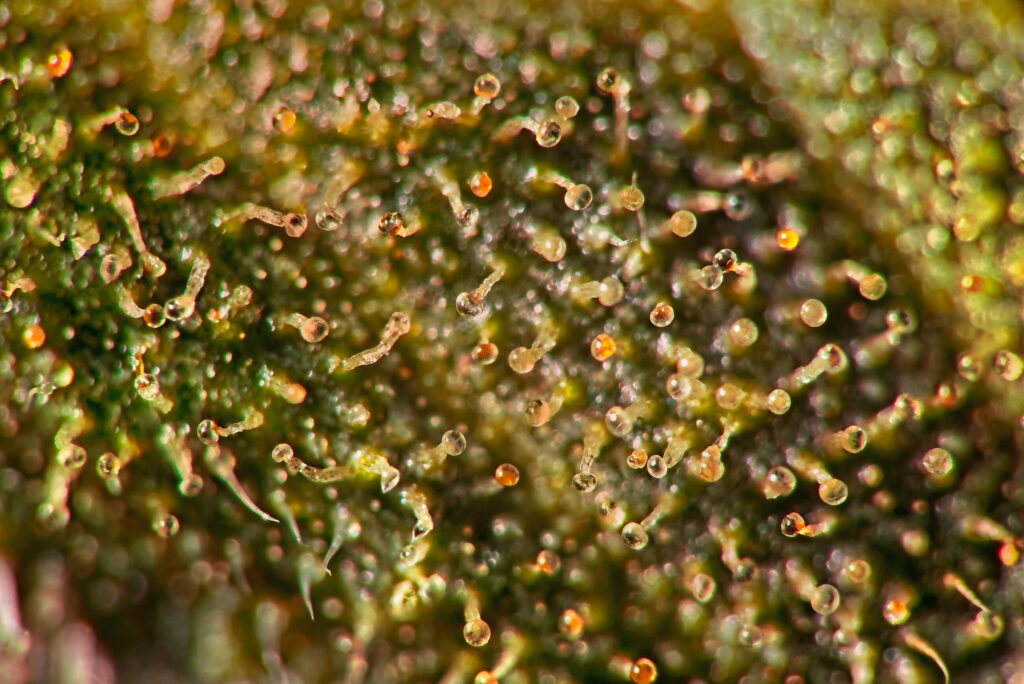
Harvest Windows: Selecting the Desired Profile
Use consistent magnification and sample multiple bud sites (top, middle, and lower) for representative assessment. General guidelines include:
- Energetic and Uplifting (Early Harvest): 80–100% cloudy trichomes with 0–20% amber. Favors creativity, focus, and daytime suitability with higher THC and lower sedative qualities.
- Balanced and Full-Spectrum (Optimal Harvest): 50–70% cloudy with 10–30% amber. Provides comprehensive effects, maximum flavor, and potency for versatile use. Many experts target 70–90% cloudy with 10–30% amber for peak results.
- Relaxing and Sedative (Late Harvest): 20–40% cloudy with 40–70% amber. Emphasizes body relaxation and higher CBN content.

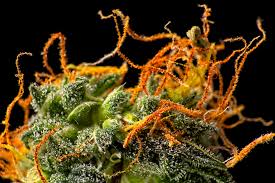
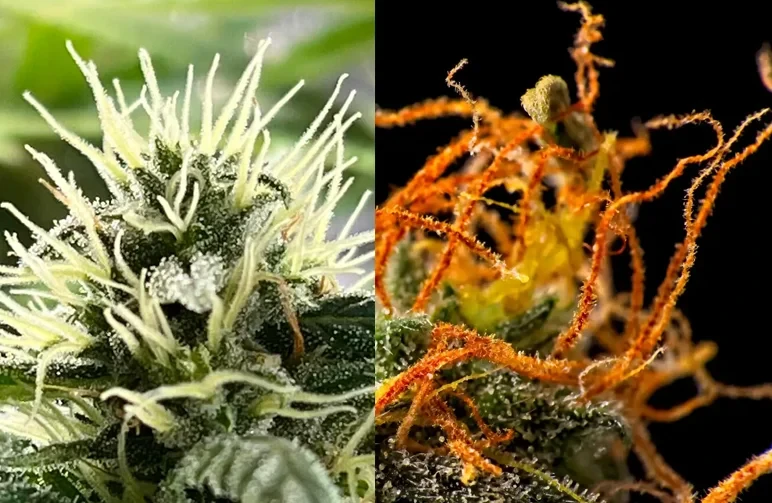
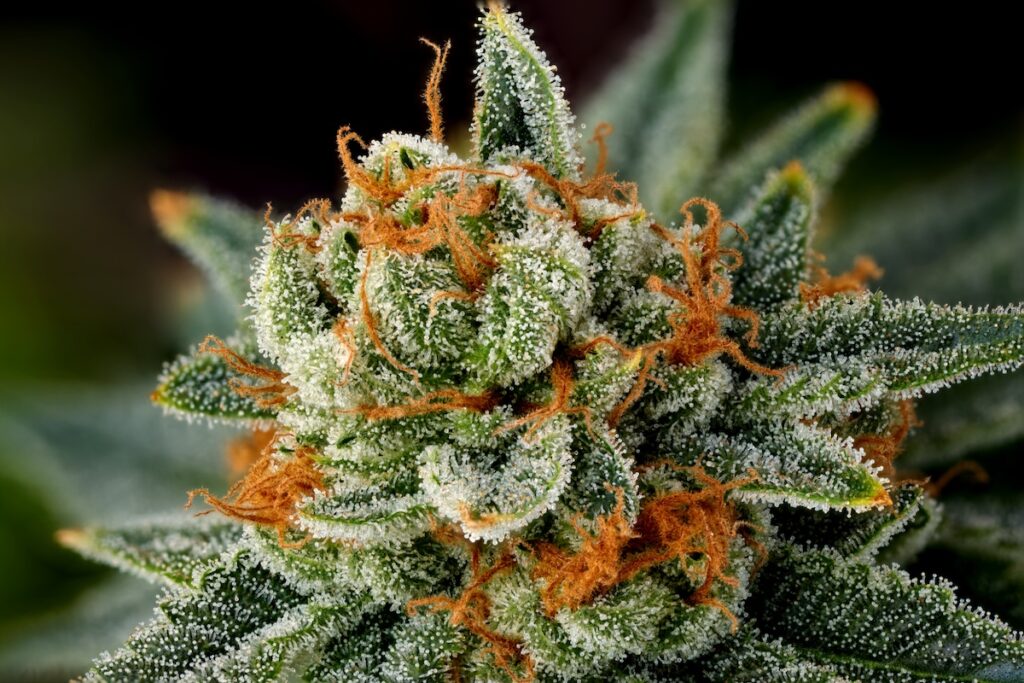
Pistils as Supporting Indicators Pistils (hair-like structures) shift from white to brown or orange as maturity advances. They offer directional cues but do not determine potency or effects—trichomes remain the definitive metric. Ideal windows often align with 50–80% darkened pistils alongside trichome evaluation.
Practical Cultivation Recommendations
- Tools: Employ a quality jeweler's loupe or digital microscope for regular checks starting mid-flowering.
- Sampling: Examine trichomes across different plant locations and strains, as genetics influence timelines.
- Environmental Factors: Maintain stable conditions during late flowering to support consistent development.
- Common Errors to Avoid: Relying solely on pistils or calendar dates; insufficient sampling; harvesting without proper magnification; or allowing excessive over-ripening.

Strain Variability and Final Considerations
Every cultivar exhibits unique maturation patterns. These guidelines serve as general principles rather than absolutes. Laboratory testing, when available, provides confirmatory data on cannabinoid and terpene profiles. Consistent observation, documentation, and adjustment based on specific plants yield the most reliable outcomes.
This reference establishes a foundational standard for professional cultivation practices. Growers who master trichome assessment achieve superior consistency and quality in their harvests. For implementation, consult strain-specific resources and maintain detailed cultivation logs. Additional inquiries regarding specific varieties or techniques are welcome to refine this guide further for practical application.
Keep Reading on The Stoner Review
More field notes from the same smoke-stained notebook:
Find more gritty, honest stories, strain reviews, travel guides, and multi-minded stoner perspectives at theStonerReview.com/blog.


