

The Haze of Decades: How America Went from Burning Weed in the Shadows to Lighting Up Wall Street By The Stoner Review – June 2026

The Haze of Decades: How America Went from Burning Weed in the Shadows to Lighting Up Wall Street By The Stoner Review – June 2026
In the smoke-filled backrooms of 1970s crash pads and the gleaming dispensaries of 2026, cannabis has traveled a long, jagged road. What was once the devil’s lettuce — a plant that could land you in a cage next to violent felons — is now a multi-billion-dollar industry with private equity suits and 4/20 corporate holidays. Public opinion flipped harder than a bad trip. Here’s the raw, unfiltered history.
The Gritty 1970s: Counterculture Fire and Federal Hammer
The 1970s were pure rebellion. Long-haired freaks, Vietnam vets, and disco kids passed joints in parks while Nixon’s machine declared all-out war. In 1970, the Controlled Substances Act slammed cannabis into Schedule I — no medical value, high abuse potential, same tier as heroin.
Yet support for legalization crept up. Gallup showed it jumping from 12% in 1969 to 28% by 1977. Eleven states decriminalized possession. Heads were optimistic. Then came the Shafer Commission in 1972, which recommended decriminalization for personal use. Nixon ignored it. The plant stayed demonized.

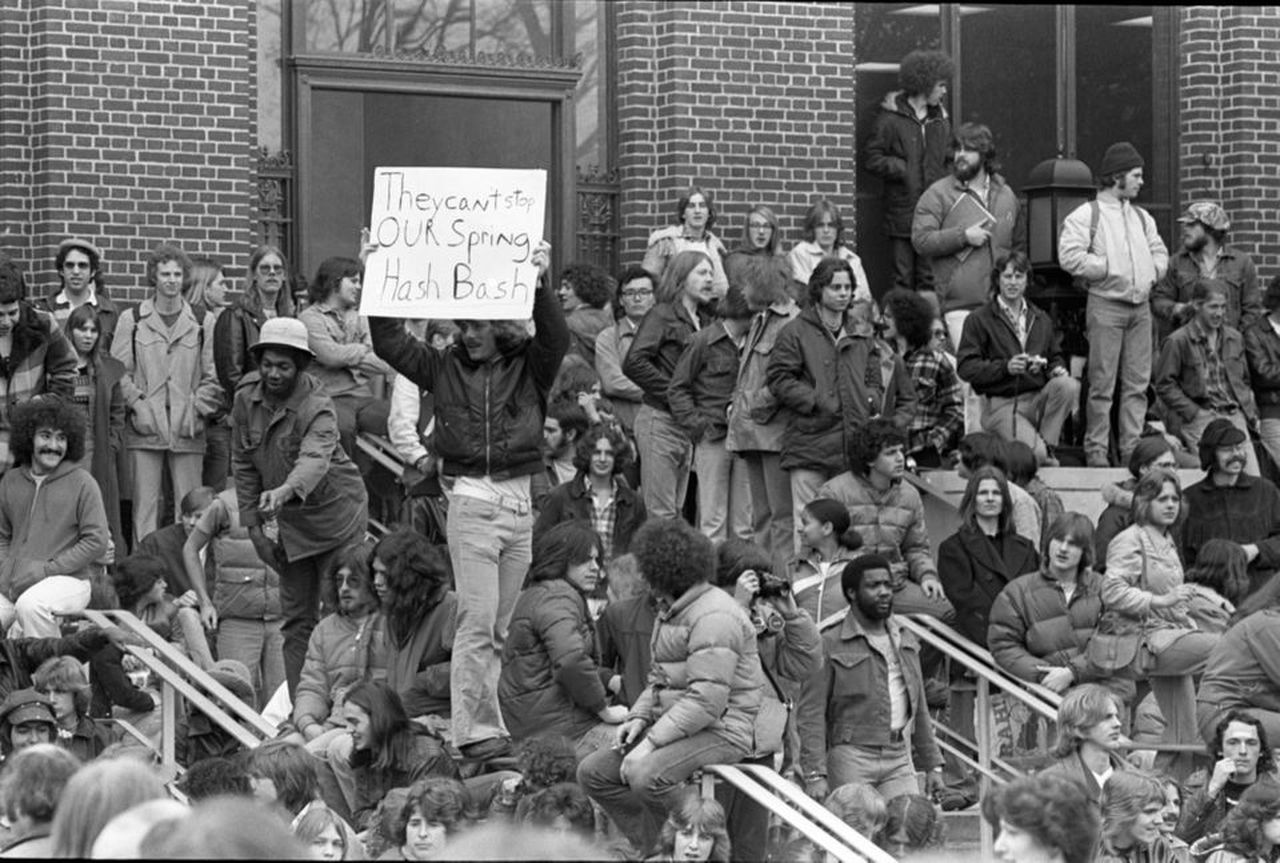
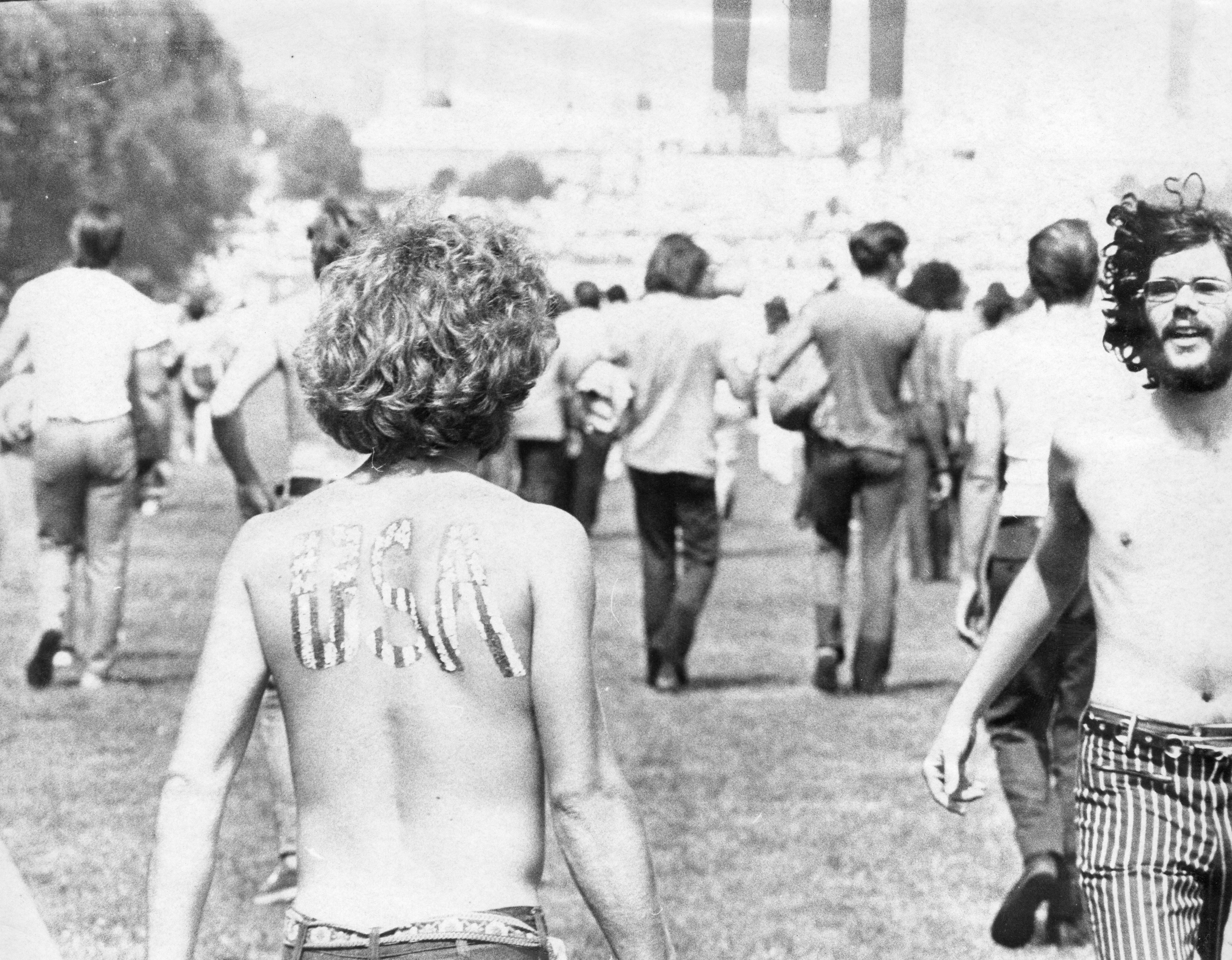
Black-and-white photos from the era capture the chaos: protestors with “They Can’t Stop Our Spring Hash Bash” signs, shirtless kids with American flags painted on their backs at July 4th gatherings, underground High Times offices buzzing with radical energy. It was gritty, idealistic, and dangerous. Cops smashed doors. Lives got ruined over a dime bag.
The 1980s: Reagan’s Iron Fist and “Just Say No”
The 1980s brought the full War on Drugs. Reagan and Nancy’s “Just Say No” campaign painted every stoner as a societal drain. Mandatory minimums exploded. Federal drug offenders for marijuana spiked. The crack epidemic took center stage, but weed users still filled courtrooms and prisons — disproportionately Black and Brown.
Public support for legalization tanked back to the low 20s. The vibe shifted from free love to fear. But underground culture thrived — skate punks, metal heads, and early hip-hop kept the flame alive in the shadows.


These aren’t glamorous shots. They’re cold steel bars, handcuffed kids, protest signs screaming against the machine. The 80s looked like excess on the surface but felt like oppression in the streets.
The 1990s: Medical Breakthroughs and Cultural Cracks
The tide turned in the 90s. Grunge, hip-hop, and stoner comedies normalized the plant. In 1996, California passed Proposition 215, the first state medical marijuana law. Compassionate use for AIDS, cancer, and chronic pain patients broke the dam.
Support for legalization started its steady climb. By the late 90s, polls showed growing acceptance. The culture shifted — Snoop, Cypress Hill, and Cheech & Chong reruns made it cool again.


The 90s imagery mixes nostalgia with momentum: boomboxes, cassettes, medical patients fighting for rights, early dispensary dreams. It was the bridge decade.
2000s–2010s: The Green Rush Accelerates
Medical programs spread. Then came 2012 — Colorado and Washington legalized recreational use. The floodgates opened. By the late 2010s, over half the country supported legalization. Corporate cannabis emerged. Investors smelled money. THC levels skyrocketed from 3-4% in the 80s to 20-30%+ in modern flower.

2020s to 2026: Mainstream Victory (With Scars)

By 2026, 24 states plus D.C. have recreational legalization. Dozens more have medical. Gallup and Pew show support hovering around 68-70%. Past-month use is way up among adults. The industry is pushing $50 billion annually.
Yet it’s not all victory laps. Federal prohibition lingers (though rescheduling efforts continue). Social equity programs often fail the very communities crushed by the War on Drugs. Over-regulation, black market persistence, and corporate consolidation threaten the soul of the culture. Youth use trends fluctuate. Public perception has evolved from “gateway to hell” to “better than booze for many,” but skepticism remains among older generations and conservatives.


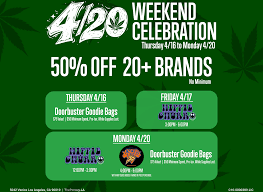
Today’s photos show lines outside sleek dispensaries, massive cultivation facilities, and packed 4/20 events. The plant went from underground sacrament to regulated commodity.
The Takeaway From Nixon’s paranoia to Biden/Trump-era half-measures, cannabis history mirrors America’s soul: hypocritical, profit-driven, rebellious, and slowly waking up. We’ve gone from burning joints in fear to building brands around them. But the real win isn’t just legality — it’s remembering the grit, the busted heads, and the underground legends who kept it alive when the whole world said no.
At theStonerReview.com, we don’t polish the story. We smoke it raw. The culture lives here — in the stories, the apparel like our Smoke With Dragons tees, and the unfiltered truth.
What era hit you hardest? Drop your sesh stories below. Let’s keep the fire going.
Sources include Gallup, Pew Research, Congressional Research Service, and historical records.
Stay lifted. Stay honest. — The Stoner Review
Keep Reading on The Stoner Review
More field notes from the same smoke-stained notebook:
Find more gritty, honest stories, strain reviews, travel guides, and multi-minded stoner perspectives at theStonerReview.com/blog.


