
The Red Dirt Legacy. Doing what got your parents killed.
The Red Dirt Legacy
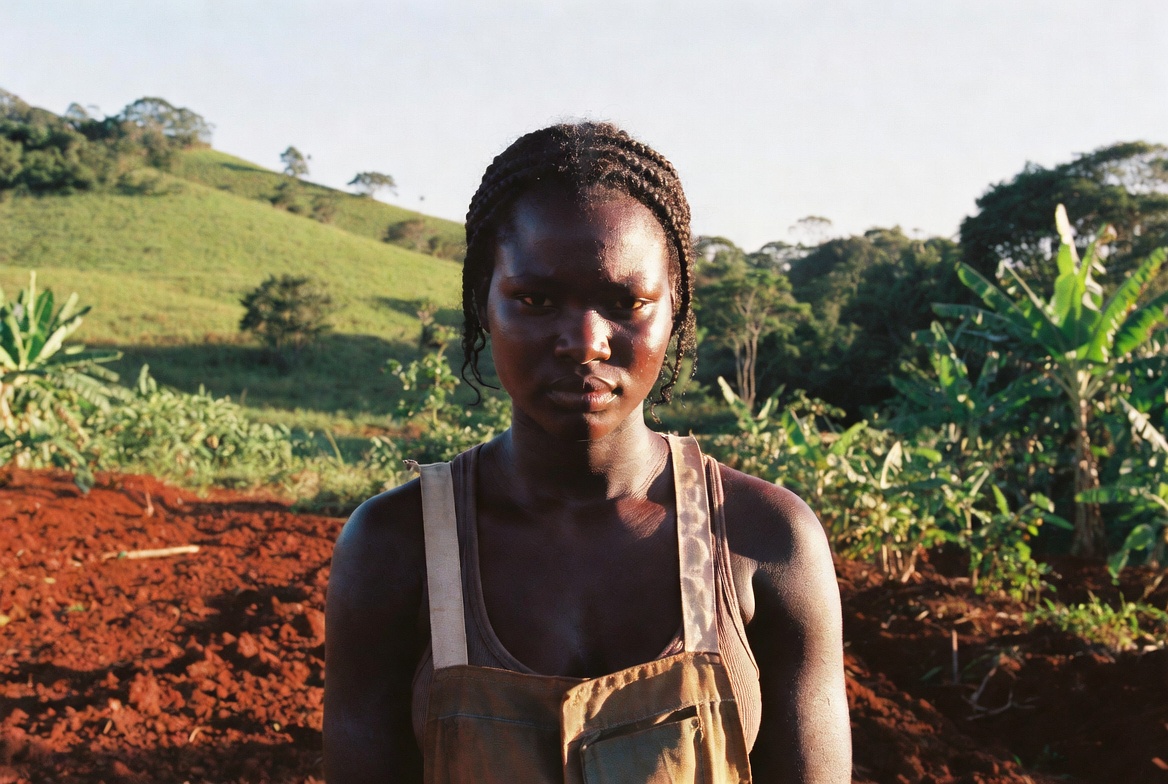
The hills above St. Ann wake slow. Mist clings to the banana leaves and rolls down the red slopes like breath. Liyah Thompson moves through it before the sun has burned the dew off the broad leaves. She is nineteen. The air is cool and heavy with the smell of wet earth and green sap. Her bare feet press into the soft red dirt, leaving prints that fill with water behind her. Every step releases the deep, mineral scent of the soil her father loved.

She stops at the first row and crouches. Her fingers push into the ground, feeling the cool dampness give way to warmer earth beneath. The dirt stains her palms the color of old blood. She brings her hands to her face and breathes it in — iron and rain and something alive. Then she moves to the plants. The leaves are still beaded with water. When she parts them, the sharp green smell rises, clean and bitter on her tongue. She runs her thumb along a stem and feels the fine hairs, the slight stickiness of fresh sap. It stains her skin and smells like crushed stems and morning.
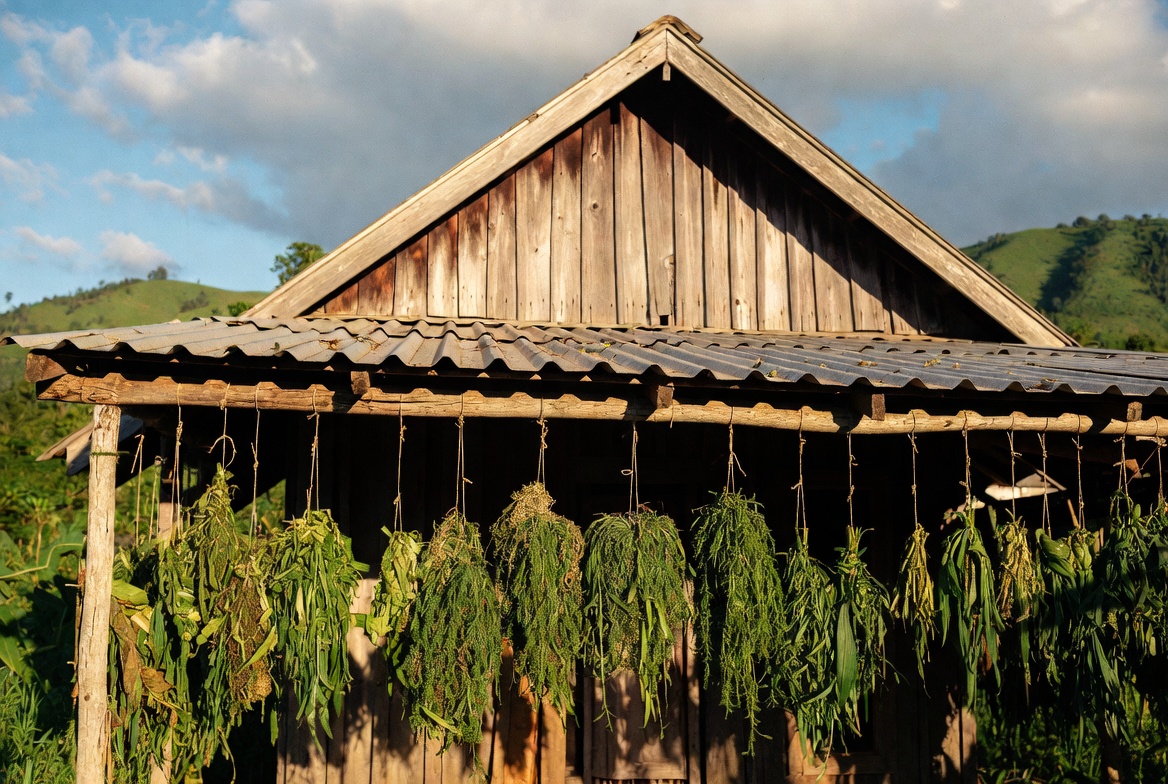
By mid-morning the sun is high and the red dirt has begun to warm under her feet. Sweat runs between her shoulder blades and soaks the back of her tank top. The air thickens with the smell of her own skin and the green bitterness of bruised leaves. When she wipes her forehead, dirt and sap streak across her dark skin. She tastes salt when she licks her lips.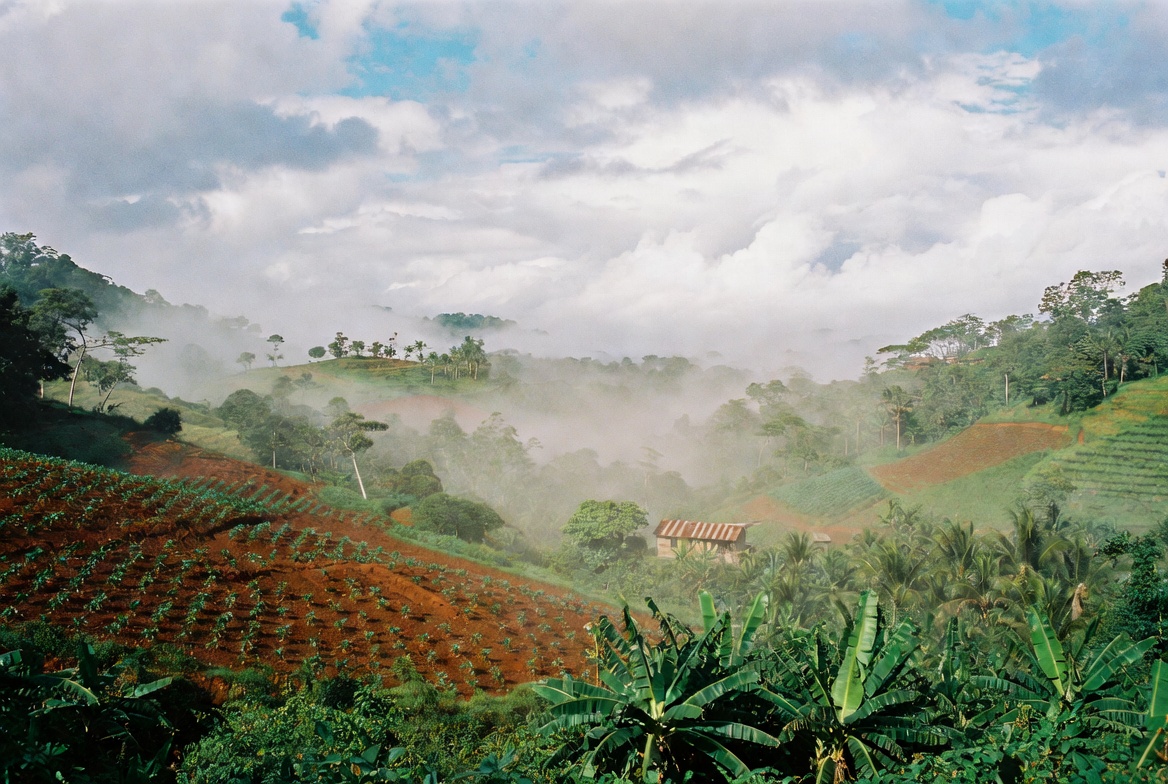 In the afternoon she works under the wide eaves where the harvest hangs. The bundles are heavy and still damp in the centers. She turns them slowly, one by one. The smell here is deeper — earth and sweet hay and something darker, almost spicy, that only appears after days of slow drying. She presses a leaf between her fingers and feels it give, not quite crisp yet. The sap has turned sticky and dark. It smells like the bottom of a forest after rain. She breathes it in until her head feels light.
Her little brother comes up the path with water. She hears his feet before she sees him — the soft slap of rubber sandals on the packed earth. He hands her the cup without speaking. The water is cool from the stream and tastes of stone. She drinks it slowly, letting it wash the green bitterness from her tongue.
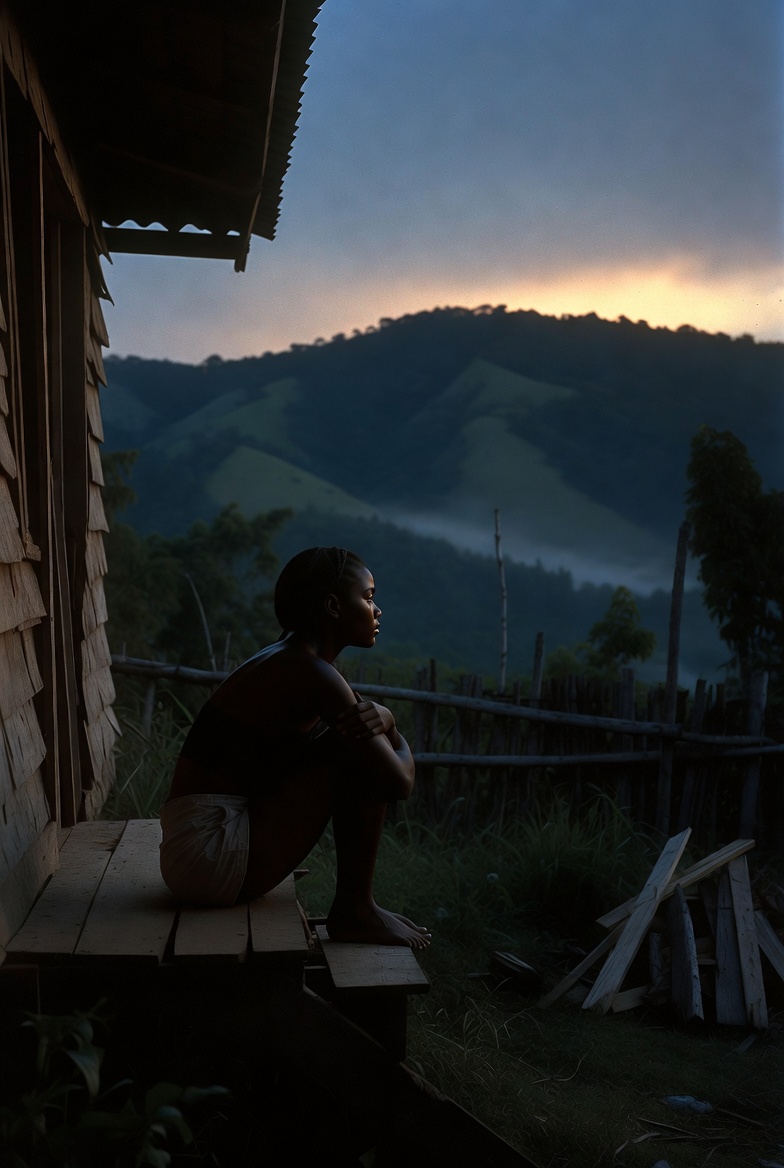
When the light begins to fade she sits on the low wooden step where her mother used to sit. The hills have turned the color of bruised fruit. She rolls a small smoke from the earliest plants she cured this season. The paper crackles. The flame catches with a soft hiss. She draws the smoke in and holds it. It tastes of earth and sun and something sweet that lingers at the back of her throat. When she exhales, the smoke hangs in the cooling air, carrying the scent of everything she has touched today — red dirt, green leaves, her own sweat.
She listens to the night coming in. Crickets start their high, steady song. A dog barks somewhere down the valley. The wind moves through the drying bundles and they rustle like old voices. Her brother sits a little way off, quiet, watching her the way she once watched their father.
Liyah closes her eyes and lets the smoke sit in her chest. The weight is still there — the house that feels too quiet, the rows that used to hold two sets of hands, the memory of the raid that still wakes her some nights with her heart hammering. But under it all is the land. The red dirt that sticks to her skin and stains her clothes. The green smell that lives in her hair. The slow, patient rhythm her parents left her.
She opens her eyes. The smoke has thinned to nothing. She grinds the ember into the step the way her father always did. Then she stands, brushes the red dust from her hands, and walks back toward the rows one last time before full dark. The plants are only shadows now, but she knows every one by feel and scent and sound.
The fertile ground still holds them. And she is still here, carrying it forward in her hands, her lungs, her quiet steps through the mist.
 This is what they left her. Not just the land. The way the red dirt smells after rain. The way the leaves sound in the wind. The way the cure lingers on the tongue long after the smoke is gone. She keeps all of it alive, one careful morning at a time.


