

The Stoner Review Grow Guide: All-Natural Fungicide for Cannabis – Beat Powdery Mildew Without Poisoning Your Flower
The Stoner Review Grow Guide: All-Natural Fungicide for Cannabis – Beat Powdery Mildew Without Poisoning Your Flower
Powdery mildew shows up like an uninvited guest that overstays its welcome—white, dusty, and ready to ruin your harvest if you let it. Whether you're running a tent in Jersey, a backyard setup, or something bigger, this fungal bullshit loves high humidity, still air, and stressed plants. The good news? You don't need to douse everything in harsh chemicals that could mess with your smoke or the planet.

Here's a proven, all-natural baking soda fungicide that works as both prevention and early treatment. It's cheap, effective when caught early, and made from stuff you probably already have. We'll also cover a milk spray rotation and the real-talk prevention that actually keeps your girls clean long-term.
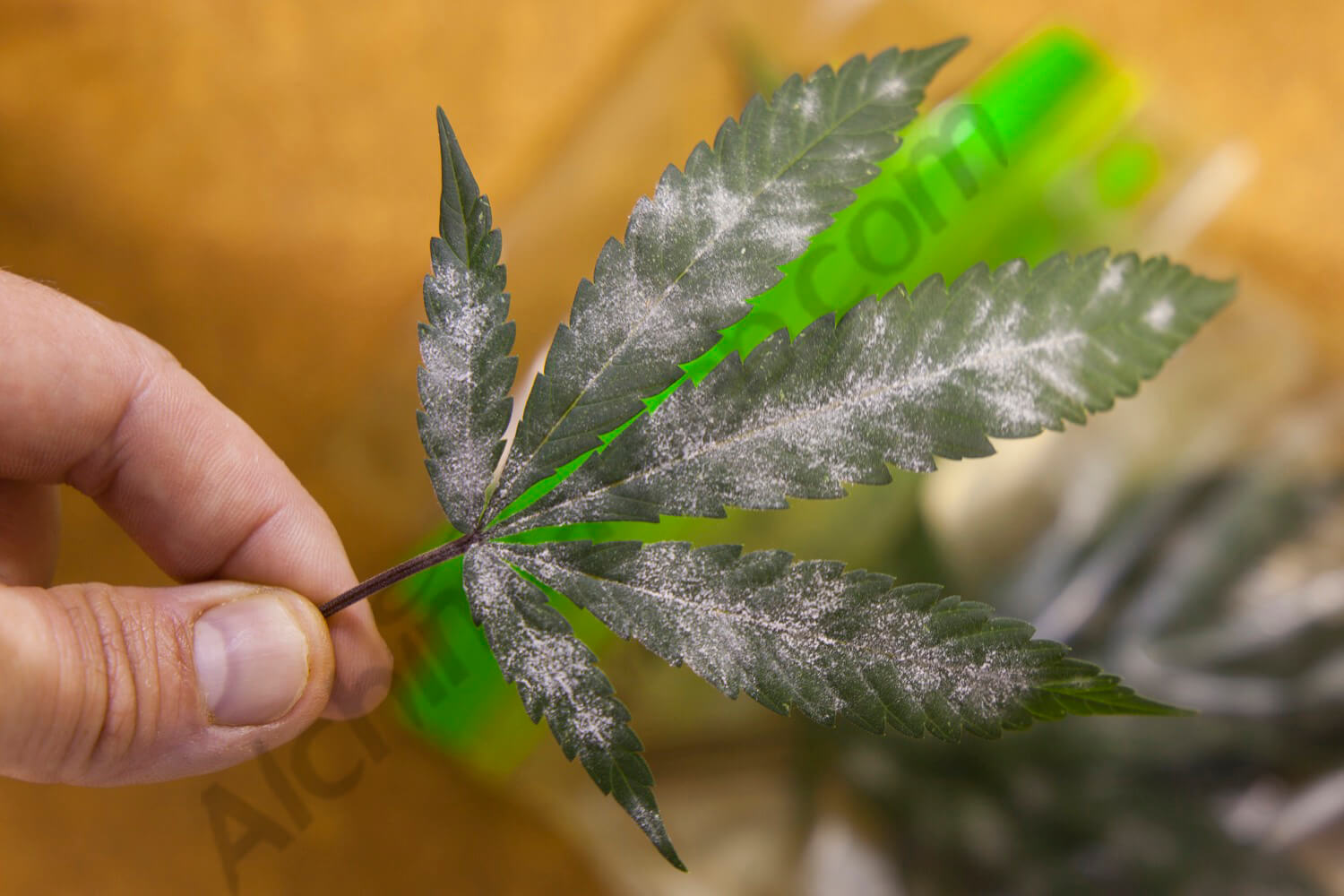
First, Fix the Environment (Prevention Over Cure)
Before any spray, get honest with yourself: most PM outbreaks are environmental.
- Keep flower-stage humidity under 50-55% (ideally 40-50% late flower).
- Run strong exhaust + oscillating fans for constant airflow—leaves should move gently.
- Water at the base, never on foliage.
- Clean your space between grows. Quarantine new clones.
- Remove lower leaves that touch soil or stay wet.
Silica supplements help strengthen cell walls. Crowded plants or poor ventilation? That's how spores win. Fix the tent first—sprays are backup.
The Star Recipe: Baking Soda Fungicide Spray
This is a contact treatment that raises pH on the leaf surface, making it hostile to PM spores while the soap helps it stick and spread. Multiple growers and gardening sources confirm it works well preventatively and on early infections when combined with environmental fixes.
Makes about 1 gallon (scale down for smaller batches)
Ingredients:
- 1 tablespoon baking soda (sodium bicarbonate)
- 1 teaspoon mild liquid Castile soap or pure unscented dish soap (Dr. Bronner's style—no phosphates or heavy detergents)
- 1 gallon clean water (room temp or lukewarm; distilled/RO is ideal but not mandatory)
- Optional (veg stage only): 1 teaspoon cold-pressed neem oil for extra antifungal + insect control
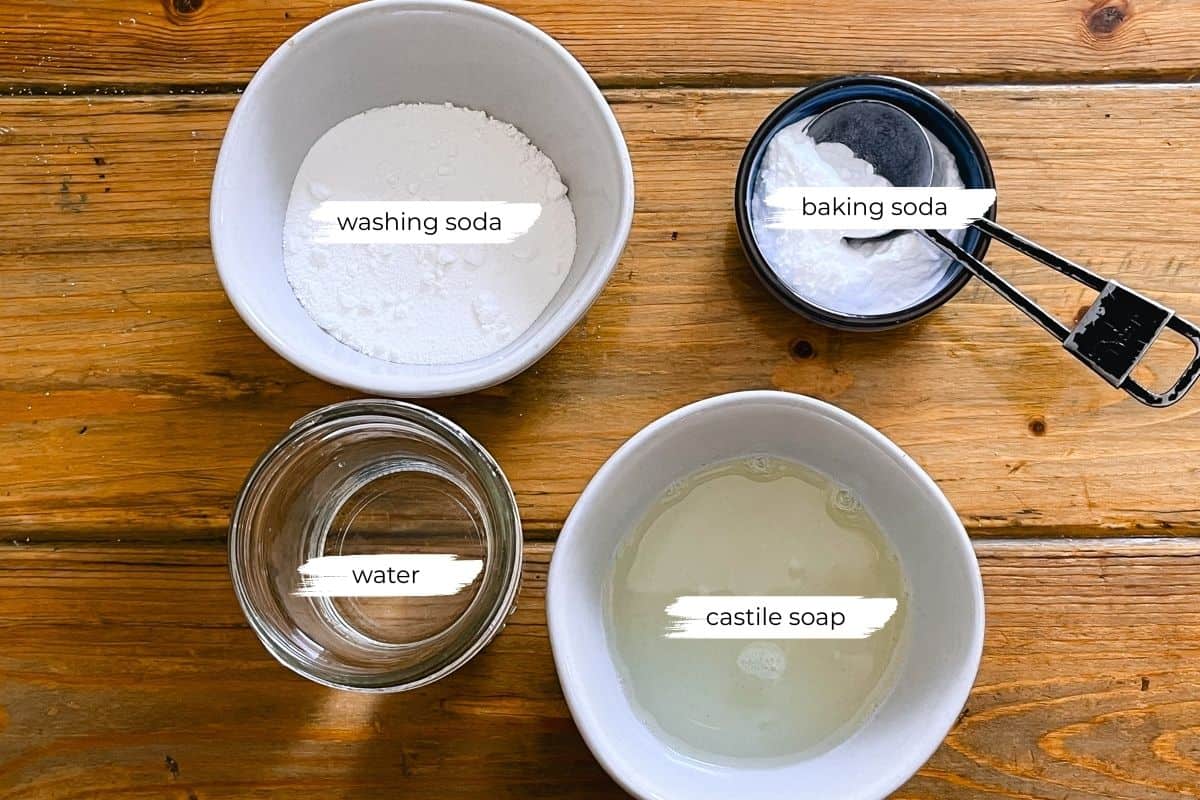
Tools: Clean spray bottle or pump sprayer, measuring spoons, funnel.
Step-by-Step: Mix It Right & Apply Like You Mean It
Step 1: Prep the battlefield Walk your plants. Snip off heavily infected leaves with clean scissors. Bag them and trash them—don't compost infected material or you'll spread spores. Wipe down tent walls, floors, and tools. Work in good ventilation.
Step 2: Mix the solution Pour about a quarter of the water into your sprayer. Add the baking soda and swirl/shake until it mostly dissolves. Add the soap (and neem if using in veg). Top off with the rest of the water. Shake vigorously for 30–60 seconds until it looks milky and stays mixed. No big separation.
Step 3: Test patch (non-negotiable) Spray one lower leaf or a small hidden section. Wait 24 hours. Check for burning, spotting, or weird discoloration. Some strains are more sensitive. If it looks good, proceed.
Step 4: Apply at the right time Do this at lights off or early evening—never in direct intense light or heat right after. Shake the bottle often while spraying.
Coat thoroughly: tops of leaves, undersides (spores hide here), stems, and around the base. Get good coverage without drenching everything to the point of runoff, especially in flower. Avoid heavy pooling in bud sites late in the cycle.
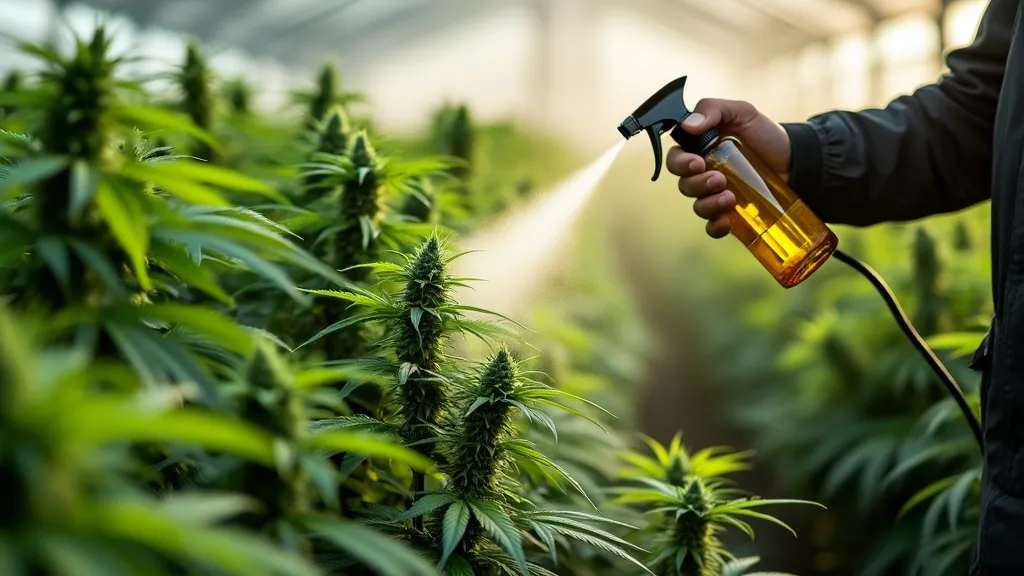
Step 5: Aftercare & repeat Let everything dry with good airflow. Monitor daily. Reapply every 4–7 days or after watering/rain until you see no new white powder for at least a week or two. Alternate days with the milk spray below for better results—different modes of action hit the fungus harder.
Milk Spray Rotation (Simple & Surprisingly Effective)

Mix 1 part milk (whole or skim works) with 9 parts water (roughly 1 cup milk + 9 cups water). Some growers go a bit stronger. Spray the same way—thorough coverage, tops and bottoms. It boosts the plant's natural defenses and has direct antifungal properties. Great rotational partner with baking soda. Apply in the morning or with lights on.
Honest Warnings & Pro Tips from the Grow
- This is not magic. Advanced infections or bud rot (botrytis—gray fuzzy shit on buds) often require removing affected material and sometimes early harvest. Environmental control is 80% of the battle.
- Late flower caution: Minimize or skip oil-based sprays (neem) in the last 2–3 weeks. Some growers switch to very dilute hydrogen peroxide (1 tbsp 3% H₂O₂ per gallon + tiny bit of soap) for spot work or just rely on airflow and removal.
- Neem in veg: Excellent multi-tool for PM + mites/aphids, but it smells strong and can affect taste/residue if overused near harvest. Use sparingly.
- Potassium bicarbonate (products like GreenCure or MilStop) is often more effective at actually killing established spores than plain baking soda. If you want to level up from pantry ingredients, that's the next step while staying organic.
- Always improve conditions alongside spraying. Otherwise you're just playing whack-a-mole.
The Real Stoner Grow Philosophy
Healthy plants make better flower. Period. This kind of no-BS, kitchen-to-tent knowledge keeps the culture alive—pure smoke, no corporate chemical residue, and the satisfaction of beating nature at its own game with simple tools.
Run good airflow, stay on top of humidity, and hit early signs with this spray rotation. Your future self (and your lungs) will thank you.
Stay lifted, stay vigilant, and keep those tents dialed. If this helped your grow, drop your before/after stories or strain wins in the comments—we're building this together.
The Stoner Review — Gritty honest cannabis lifestyle, one healthy harvest at a time.
(Rep the culture while you grow—our strain-inspired tees and hoodies are made for exactly this life.)
Now get out there and protect those ladies the natural way. 🌿
Keep Reading on The Stoner Review
More field notes from the same smoke-stained notebook:
Find more gritty, honest stories, strain reviews, travel guides, and multi-minded stoner perspectives at theStonerReview.com/blog.


