

Why the Federal Government Won’t Fully Declassify Marijuana Like Tobacco — And Whether It’s Coming Soon
Hey everyone, it’s your friendly neighborhood cannabis observer here at The Stoner Review. If you’ve ever lit up and wondered, “Why the hell is weed still treated like heroin federally while I can buy a pack of Marlboros at the gas station?” — you’re not alone. The question hits especially hard in 2026, with millions of Americans living in states where marijuana is legal for medical or recreational use, yet the feds still classify the plant as one of the most dangerous substances under the Controlled Substances Act (CSA).
Let’s break it down: why hasn’t the federal government declassified (or fully descheduled) marijuana altogether, the way tobacco and alcohol are handled? And with big news dropping just yesterday (April 23, 2026), is real change finally on the way?

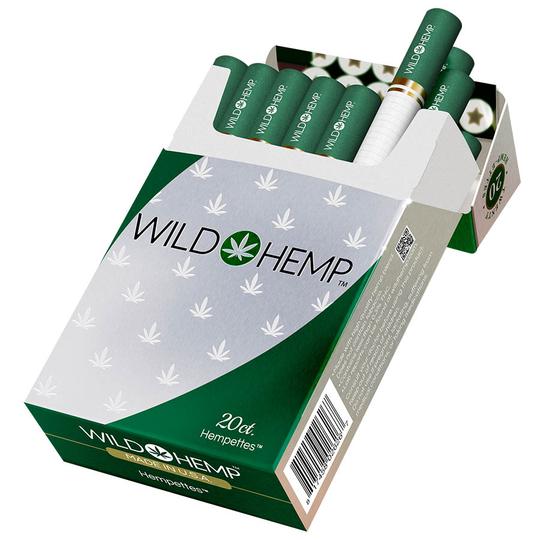
First, a Quick History Lesson: How Did We Get Here?
Back in 1970, President Richard Nixon signed the Controlled Substances Act into law as part of the War on Drugs. Marijuana was slapped into Schedule I — the strictest category — alongside heroin and LSD. To qualify for Schedule I, a substance supposedly has:
- High potential for abuse
- No currently accepted medical use
- Lack of accepted safety under medical supervision
That classification has stuck for over 55 years, even as science, state laws, and public opinion have evolved dramatically. Over 40 states now have medical marijuana programs, and dozens allow adult-use recreationally. Yet federally, it’s still technically illegal to grow, sell, or possess outside narrow research exceptions.
Tobacco and alcohol? They were never placed under the CSA at all. The law explicitly excludes them (along with things like distilled spirits and nicotine products under certain definitions). Instead, they fall under separate regulatory frameworks:
- Tobacco is overseen by the FDA under the Family Smoking Prevention and Tobacco Control Act.
- Alcohol is regulated by the Alcohol and Tobacco Tax and Trade Bureau (TTB) and states.
Congress made a deliberate choice in 1970 to keep these two legal-but-deadly substances out of the drug-scheduling system. They generate massive tax revenue, have powerful lobbies, and were already deeply embedded in American culture. Marijuana, by contrast, got caught up in political and cultural battles — often with racially charged undertones from the Reefer Madness era.
Why Not Just Declassify Marijuana Entirely?

Here’s the core issue: Full declassification (removing marijuana from the CSA schedules completely) requires an act of Congress. The executive branch (DEA, DOJ) can reschedule it within the existing framework, but only lawmakers can yank it out entirely and treat it like tobacco or booze — allowing states to regulate it freely without federal interference.
So why the foot-dragging? A few big reasons:
- Political Inertia and the War on Drugs Hangover Decades of anti-drug messaging created institutional resistance. Even with overwhelming public support (most Americans favor legalization), Congress has been slow. Bills like the MORE Act (full descheduling + social equity provisions) and the STATES 2.0 Act (protecting state-legal programs and allowing interstate commerce) keep getting introduced — including reintroductions in 2025 — but they’re stuck in committee with no floor votes yet.
- Lobbying and Economic Interests Alcohol, tobacco, law enforcement, private prisons, and even parts of Big Pharma have historically opposed full legalization. Cannabis could compete directly with booze and pills for pain/anxiety relief. Plus, federal prohibition funnels billions into enforcement and keeps the black market thriving in some areas.
- Regulatory and Public Health Concerns (Real and Perceived) Critics worry about youth access, impaired driving, and long-term health effects — even though studies consistently show cannabis is far less deadly than alcohol or tobacco (no overdose deaths from cannabis alone). If descheduled, the FDA would need to step in with new rules, similar to how it regulates tobacco. That’s a massive bureaucratic lift.
- Federalism Mess Rescheduling keeps everything under federal control. Full descheduling would let states set their own rules (like they do for cigarettes), but it also opens the door to interstate commerce, banking reform, and ending the threat of federal raids on state-legal businesses.
Bottom line: Rescheduling acknowledges medical value and reduces some barriers (research, taxes, etc.), but it doesn’t end prohibition. Descheduling does.
Is It Coming? The 2026 Update
Huge news just dropped yesterday: The Trump administration’s Justice Department announced it is immediately moving FDA-approved marijuana products and state-licensed medical marijuana into Schedule III. A fast-tracked administrative hearing kicks off June 29, 2026, to finalize broader rescheduling for the whole plant.
This is a major step. Schedule III recognizes accepted medical use and lower abuse potential (think ketamine or Tylenol with codeine). It eases research, helps state medical programs, and could unlock more banking and tax relief. But it’s not full declassification. Recreational use stays federally illegal, interstate transport is still risky, and the plant remains a controlled substance.
Congressional action for true descheduling? It’s possible but not guaranteed soon. Public support is sky-high, bipartisan bills exist, and momentum from rescheduling could spill over. Some analysts think 2026–2027 could see real movement if leadership prioritizes it — especially with states pushing hard and the industry worth billions.
The Bottom Line

The federal government hasn’t fully declassified marijuana like tobacco because the CSA was built to treat it as a dangerous drug from day one, while alcohol and tobacco got grandfathered into their own regulatory worlds. Politics, lobbying, and bureaucracy have kept the status quo alive far longer than science or fairness would justify.
We’re seeing real progress in 2026 with the Schedule III shift — but true freedom (full descheduling) still needs Congress to act. Until then, the weird federal-state tug-of-war continues.
What do you think? Should weed be treated exactly like tobacco — regulated, taxed, and left to the states? Drop your thoughts in the comments. In the meantime, stay safe, stay informed, and keep advocating.
Peace, The Stoner Review Team
(Stats and policy details current as of April 24, 2026. Laws change fast — always check your local regs.)
Keep Reading on The Stoner Review
More field notes from the same smoke-stained notebook:
Find more gritty, honest stories, strain reviews, travel guides, and multi-minded stoner perspectives at theStonerReview.com/blog.


