

Your Teen Is Smoking Weed: 5 Real Perspectives That Could Change Everything (And What to Do Next)
Your Teen Is Smoking Weed: 5 Real Perspectives That Could Change Everything (And What to Do Next) Posted Wed Apr 29 The Stoner Review
Picture this: It’s a random Tuesday night. You’re doing laundry, reach into your 15-year-old’s hoodie pocket for a stray sock, and pull out… a half-smoked joint and a lighter. Heart drops. Mind races. “Where did I go wrong?”

You’re not alone. Thousands of parents face this exact moment every year. But here’s the twist — the story doesn’t have to end in panic, punishment, or a screaming match. Different lenses on the same situation can turn fear into understanding… and maybe even stronger family bonds. Let’s break down five real perspectives on discovering your adolescent child is smoking weed. No judgment, just truth-seeking.

1. The “Oh No, My Baby!” Panic Perspective
For many parents, it feels like the sky is falling. “Weed is a gateway drug!” “What about their brain?” “School, sports, college — it’s all over!”
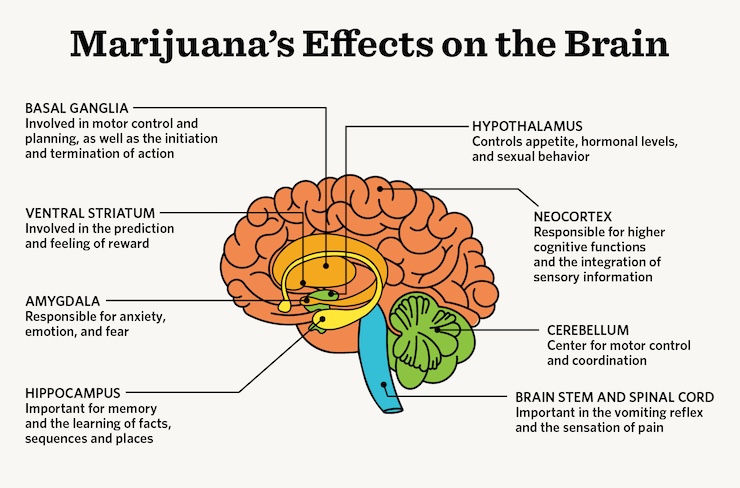
This reaction is 100% human. You grew up in the “Just Say No” era, where cannabis was painted as the villain. Suddenly your kid is doing it, and all those old fears flood back. The worry is real — adolescent brains are still developing until the mid-20s, and heavy use can impact memory, motivation, and mental health in some cases.
But here’s the interesting part: Panic often backfires. It shuts down conversation and pushes your teen underground. One mom I know (anonymous, of course) went full detective mode, searched the room, and grounded her son for a month. Result? He just got better at hiding it — and stopped trusting her completely.
2. The Teen’s “It’s Not a Big Deal” Perspective
Flip the script. From your kid’s view: “Everyone does it. It helps with stress/anxiety/sleep. Alcohol is worse and legal. Why the freak-out?”
Teens today grew up with legalization all around them. In many states, it’s normal adult behavior. Peer pressure, social media, and school stress make a quick puff feel like a harmless escape. They see it as self-medication or bonding with friends — not rebellion.

The fascinating truth? Many teens are surprisingly responsible about it. They research strains, know not to drive high, and treat it like a weekend thing. The ones who get caught often feel more ashamed of disappointing you than of the act itself.
3. The Science Squad Perspective (The Facts, No Hype)
Let’s get truth-seeking. Research shows mixed but clear signals for adolescents:
- Early and heavy use can affect developing brains (attention, learning, mood regulation).
- But occasional, low-dose use in a supportive environment? The long-term harm is far less dramatic than the old propaganda claimed.
- Context matters hugely — genetics, home life, mental health, and frequency all play roles.
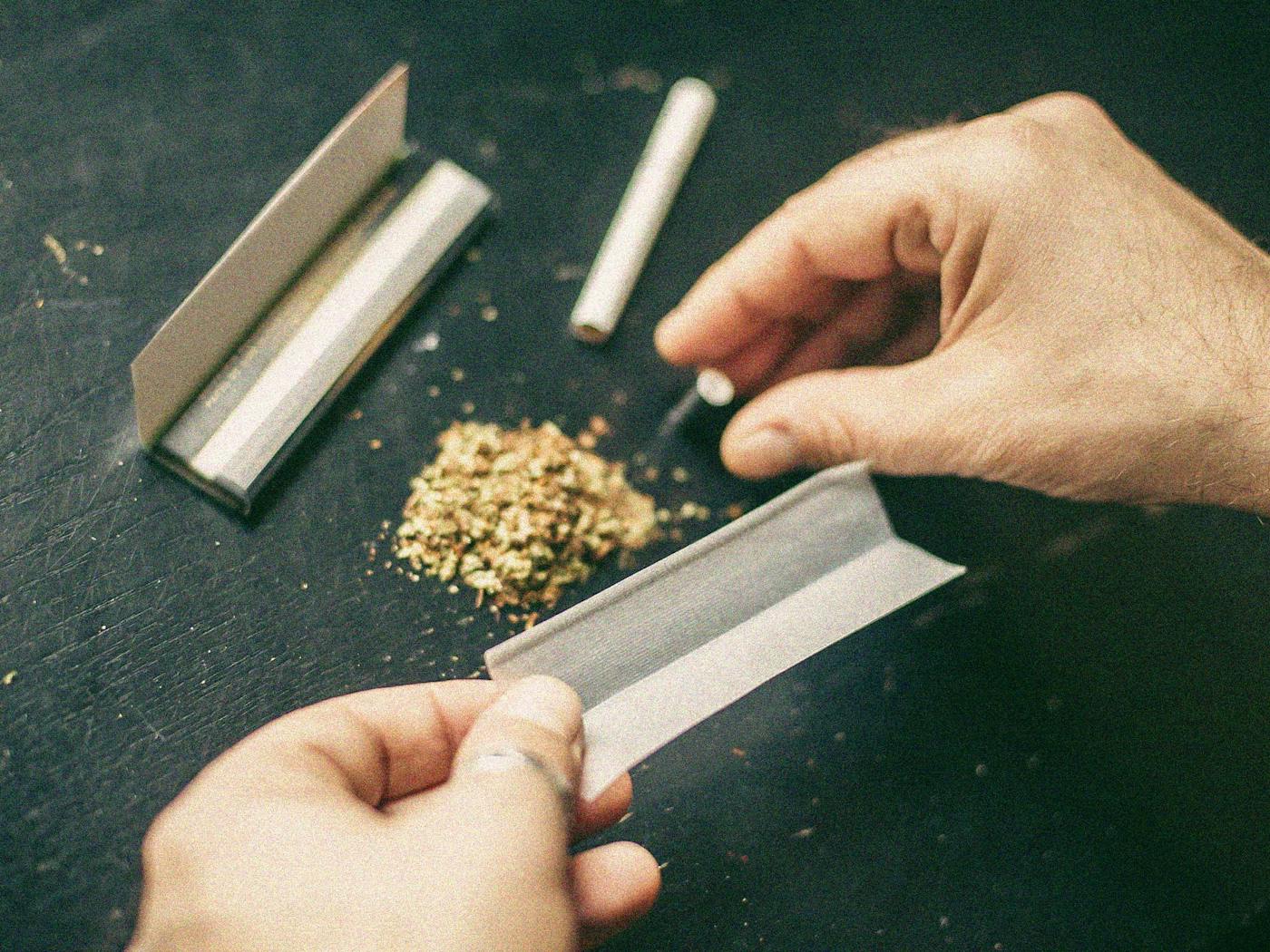
Experts (from APA studies to harm-reduction orgs) now emphasize education over scare tactics. Open talks about dosage, sourcing, and why the brain is vulnerable until ~25 actually reduce risky behavior more than punishment does.
4. The Cultural Shift Perspective
We’re in a totally different era. Cannabis is legal or decriminalized in most places. Stigma is crumbling. Parents who once hid their own use are now navigating their kids doing the same thing.
Interesting stat: Many “cannabis parents” today admit they smoked as teens… and turned out fine. The hypocrisy stings when you realize your own youthful experiments didn’t ruin you. This perspective flips the script from “How could you?” to “How can we talk about this honestly?”
5. The Hopeful “Let’s Figure This Out Together” Perspective

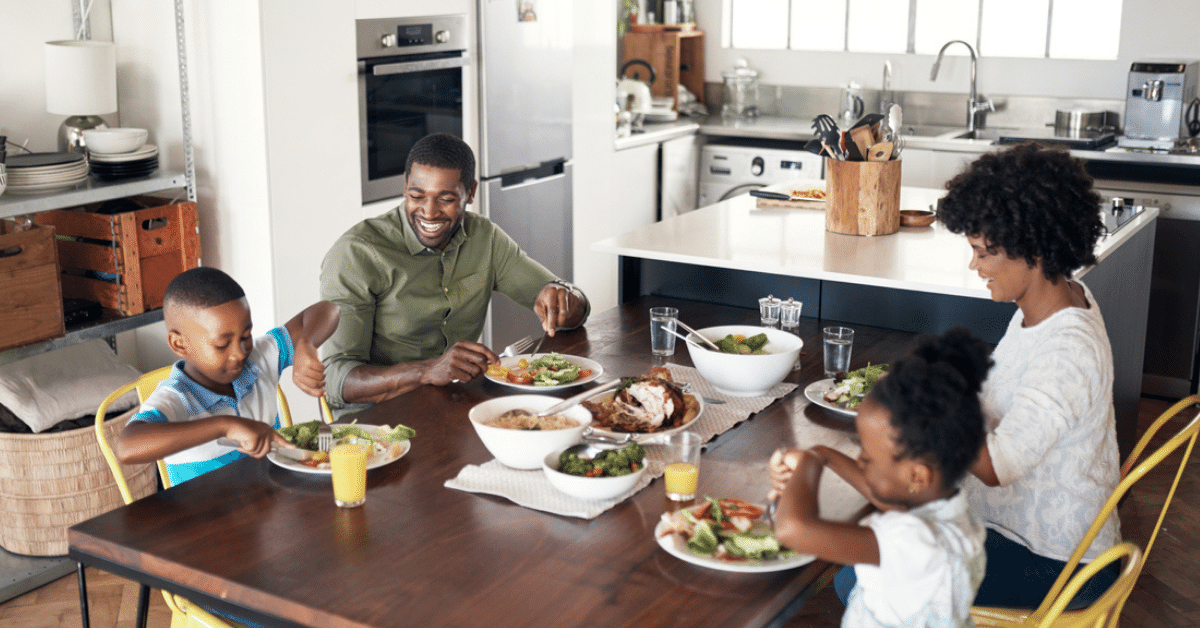
This is the one that actually moves the needle. Parents who respond with curiosity instead of rage often report stronger relationships and smarter kids.
Real example: One dad sat his 16-year-old down and said, “I’m not mad — I’m worried. Tell me why you’re doing it.” The conversation revealed school anxiety the dad never knew about. They made a deal: occasional use at home (supervised) in exchange for open honesty and therapy for the anxiety. Win-win.

Practical Next Steps (No Matter Your Perspective)
- Breathe first. Don’t react in the moment.
- Listen more than you lecture. Ask questions: How often? Why? How do you feel after?
- Set clear, fair boundaries (age-appropriate, safety-first).
- Educate together — look up facts, watch documentaries, discuss real risks without exaggeration.
- Model healthy choices (even if you partake, show moderation).
The goal isn’t zero use forever — it’s raising humans who make informed decisions and trust you enough to come to you when things get heavy.
At The Stoner Review, we believe understanding the plant means understanding people too. Family dynamics are messy, but open conversations beat secrets every time.
What perspective hits closest to home for you? Drop your story in the comments (anonymously if you want) — we read every one. And if you’re looking for subtle “we get it” merch for those awkward family talks… our cozy hoodies and vintage tees are perfect for neutral-ground hangs.
Shop the “Keep It Chill” Collection → Stay lifted, stay connected. 🔥🌿
(Always prioritize your child’s safety and local laws. If you need resources, check harm-reduction sites like SAMHSA or local parent support groups.)
Keep Reading on The Stoner Review
More field notes from the same smoke-stained notebook:
Find more gritty, honest stories, strain reviews, travel guides, and multi-minded stoner perspectives at theStonerReview.com/blog.


