

Jamaica's Weed Scene in 2026: Sacred Ganja, Rasta Roots, and a Regulated Renaissance – A Stoner's Tale
Jamaica's Weed Scene in 2026: Sacred Ganja, Rasta Roots, and a Regulated Renaissance – A Stoner's Tale
Picture this: It's a warm April evening in 2026, and you're cruising along the North Coast near Ocho Rios or Negril. reggae beats pulse from a speaker, the Caribbean Sea sparkles under the sunset, and the sweet, earthy aroma of high-grade ganja drifts on the breeze. You pull up to a licensed "herb house" like Kaya Herb House or Jacana—modern yet rooted in culture, with a quick medical consult, ID check (18+), and access to premium strains. Inside, locals and tourists chill in smoking lounges, sharing stories over joints or edibles. This is Jamaica's iconic ganja culture in full bloom: deeply tied to Rastafarian spirituality, where the "holy herb" is used for meditation, healing, and connection. No full recreational legalization yet, but decriminalization since 2015 keeps the vibe relaxed and authentic.

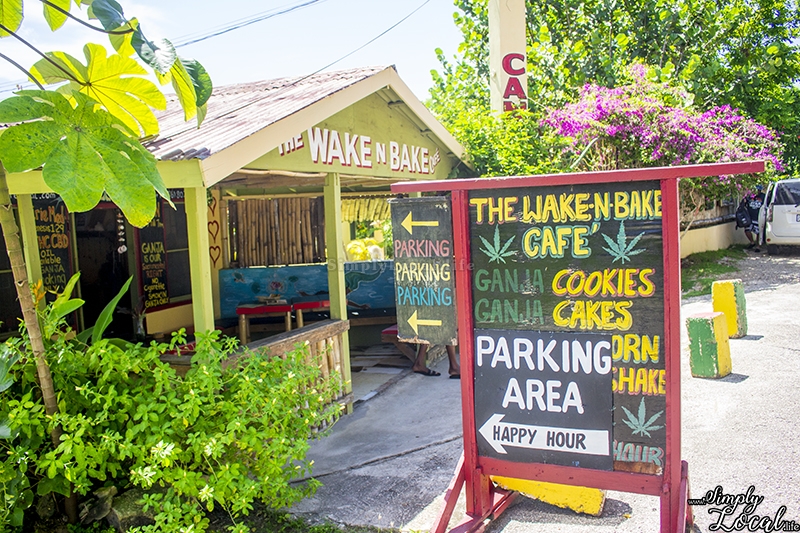
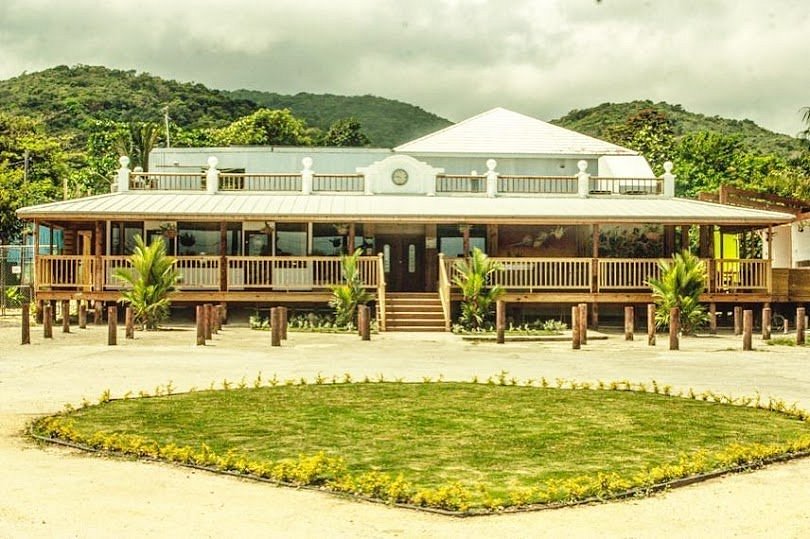
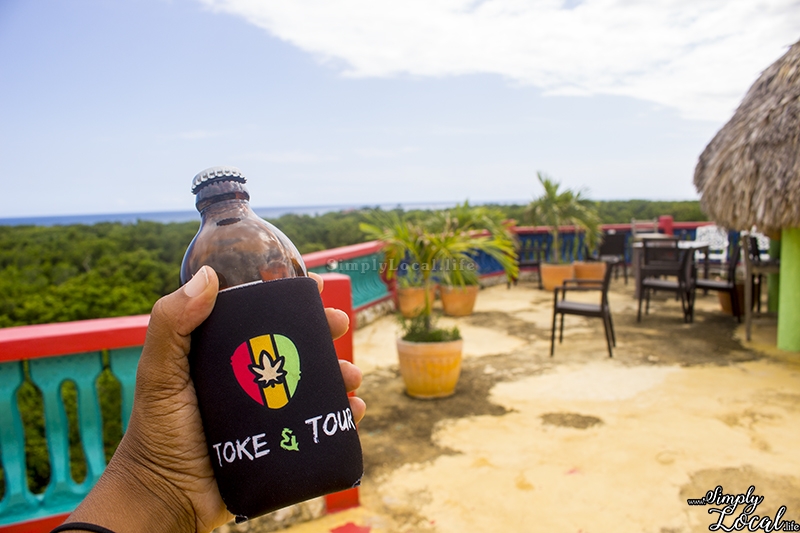
The scene blends tradition with progress. Possession of up to 2 ounces is a petty offense (small fine, no criminal record). Households can grow up to 5 plants. Rastafarians have sacramental protections. Tourists can buy from licensed dispensaries with a quick on-site or airport medical card (~$10 USD), and U.S. medical cards are often accepted. Public smoking risks fines, but private spots, resorts, and herb houses welcome responsible use. Recent 2026 regulatory tweaks (Medical Cannabis Special Permit Programme) boost access, streamline licensing, and open doors for small/traditional farmers via community groups—up to 10 acres per group. The legal industry hit $63.5M USD in 2025 (up from $38.9M in 2024) and keeps growing with new permits, delivery services, and cannabis tourism experiences.

The Growing Boom: From Traditional Hillside Plots to Inclusive Medical Expansion
Jamaica's ganja heritage runs deep—Rasta farmers and "traditional growers" have cultivated potent landraces for generations in the hills. The 2015 reforms opened medical cultivation, but bureaucracy slowed things. Now in 2026, it's booming smarter: new Cultivator’s (Transitional) Special Permits and Community Permits lower barriers, extend license periods (to 3 years), reduce costs, and integrate small farmers into the formal sector. Community groups of traditional growers can now legally scale up to 10 acres for medical purposes.
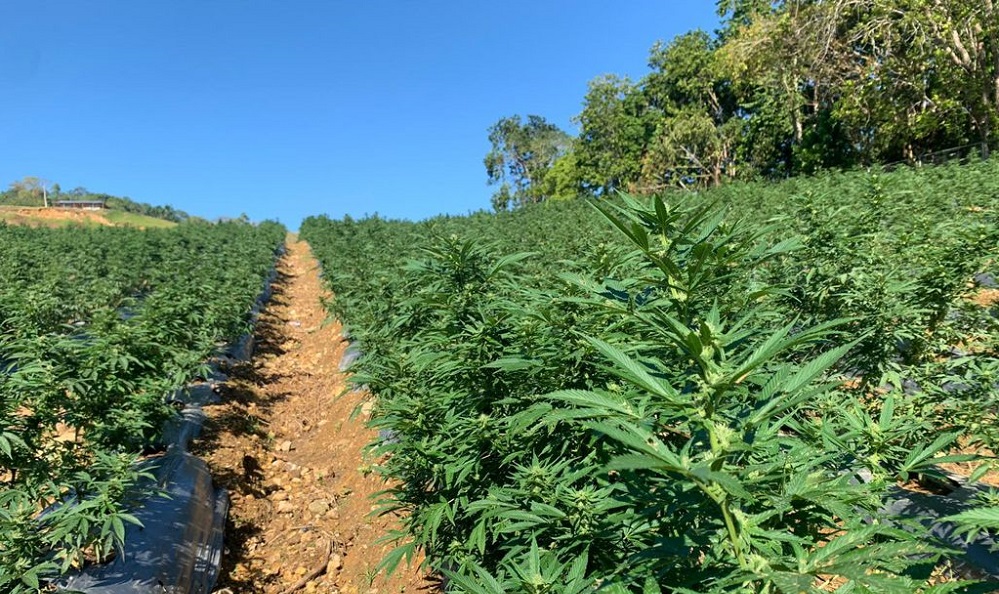
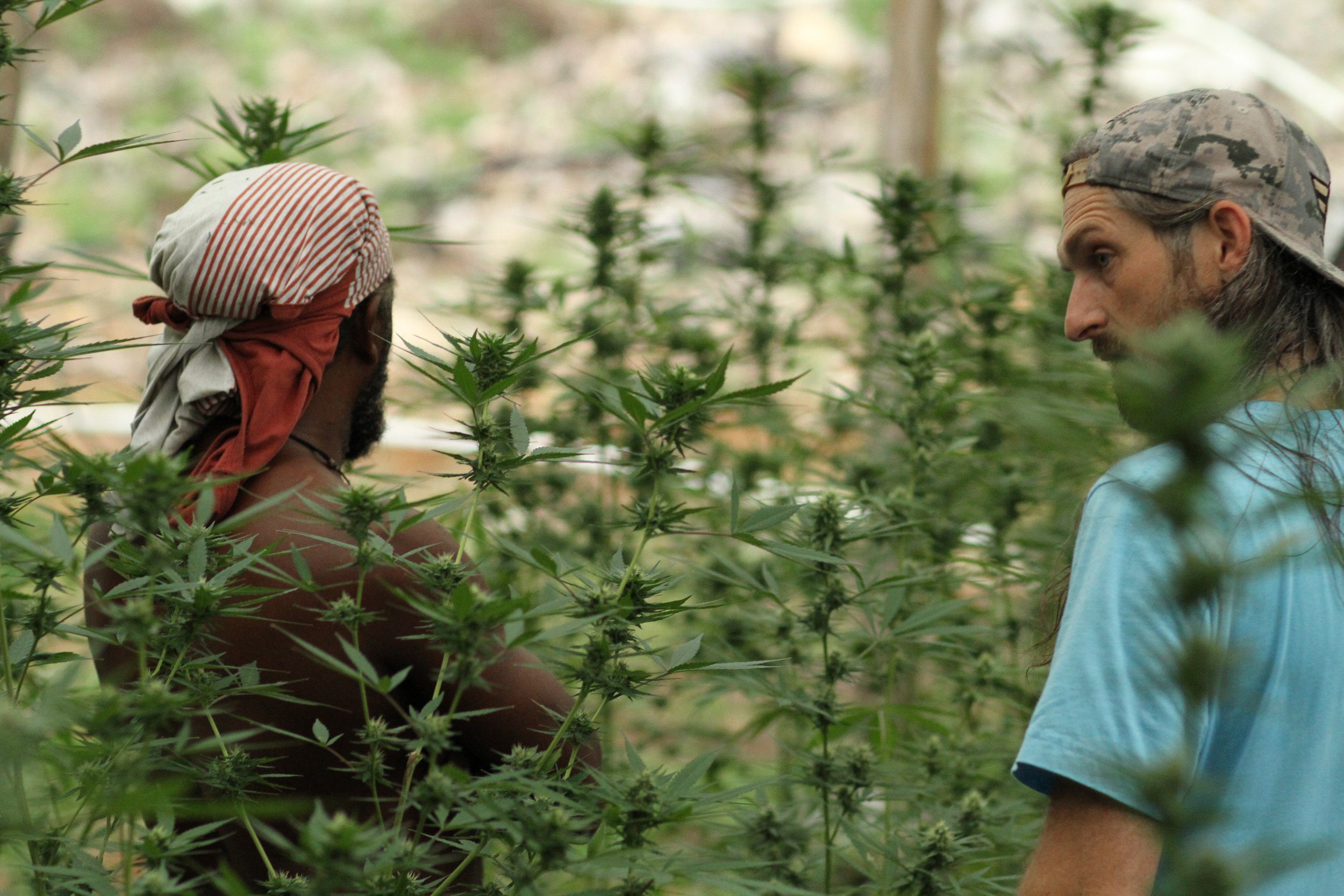
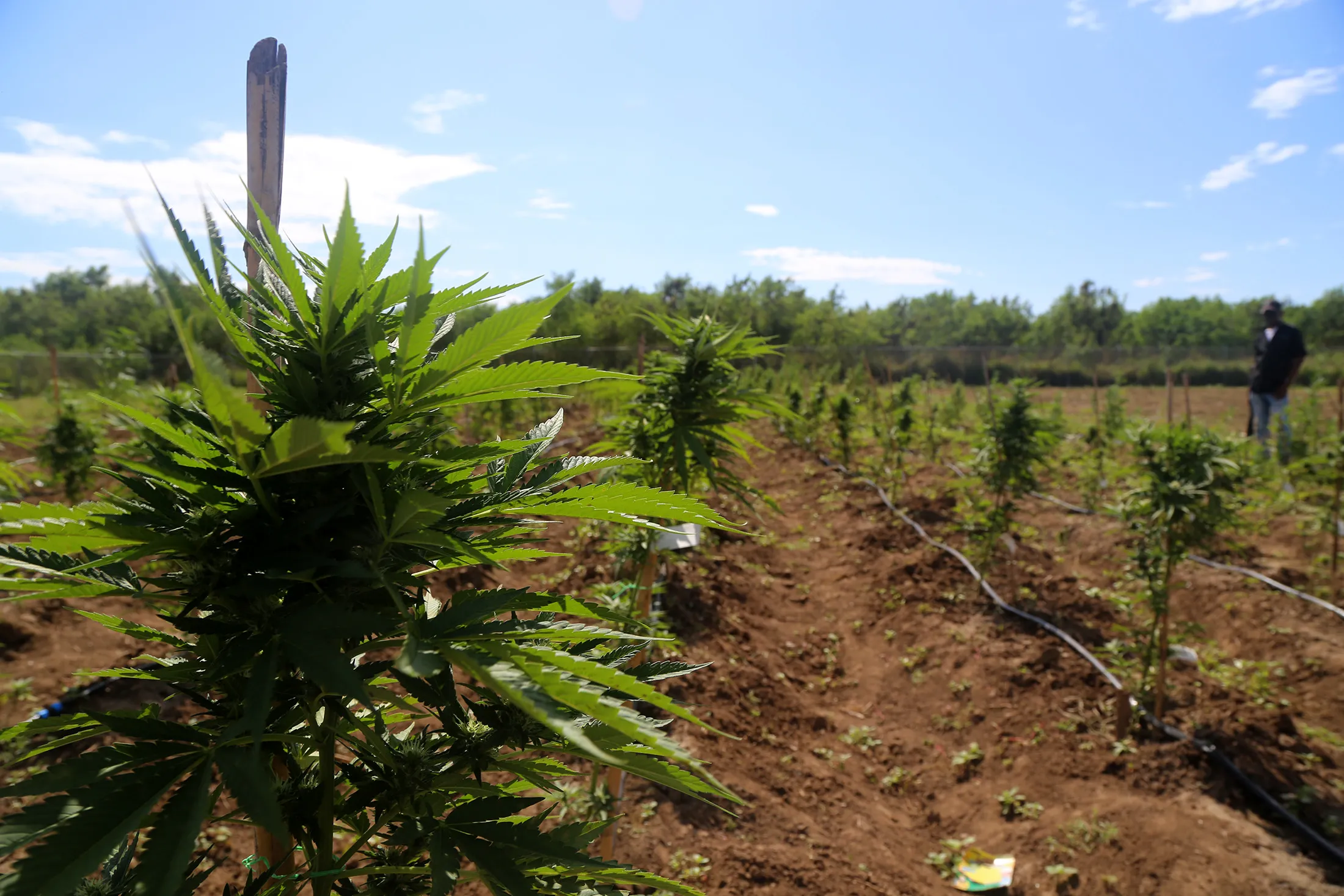
Outdoor grows thrive in the tropical climate—lush green fields against blue skies, banana trees, and mountains. Licensed ops blend old-school methods with modern standards: testing, traceability, and GACP compliance for exports and medical products. Indoor/greenhouse facilities complement for consistency. The push includes disaster-resilient protocols (surviving hurricanes) and international ambitions, especially with U.S. reclassification opening research and market doors. It's not mass-commercial like some places—Jamaica emphasizes quality, culture, and inclusion, positioning as a global player in medical ganja while honoring Rasta roots.

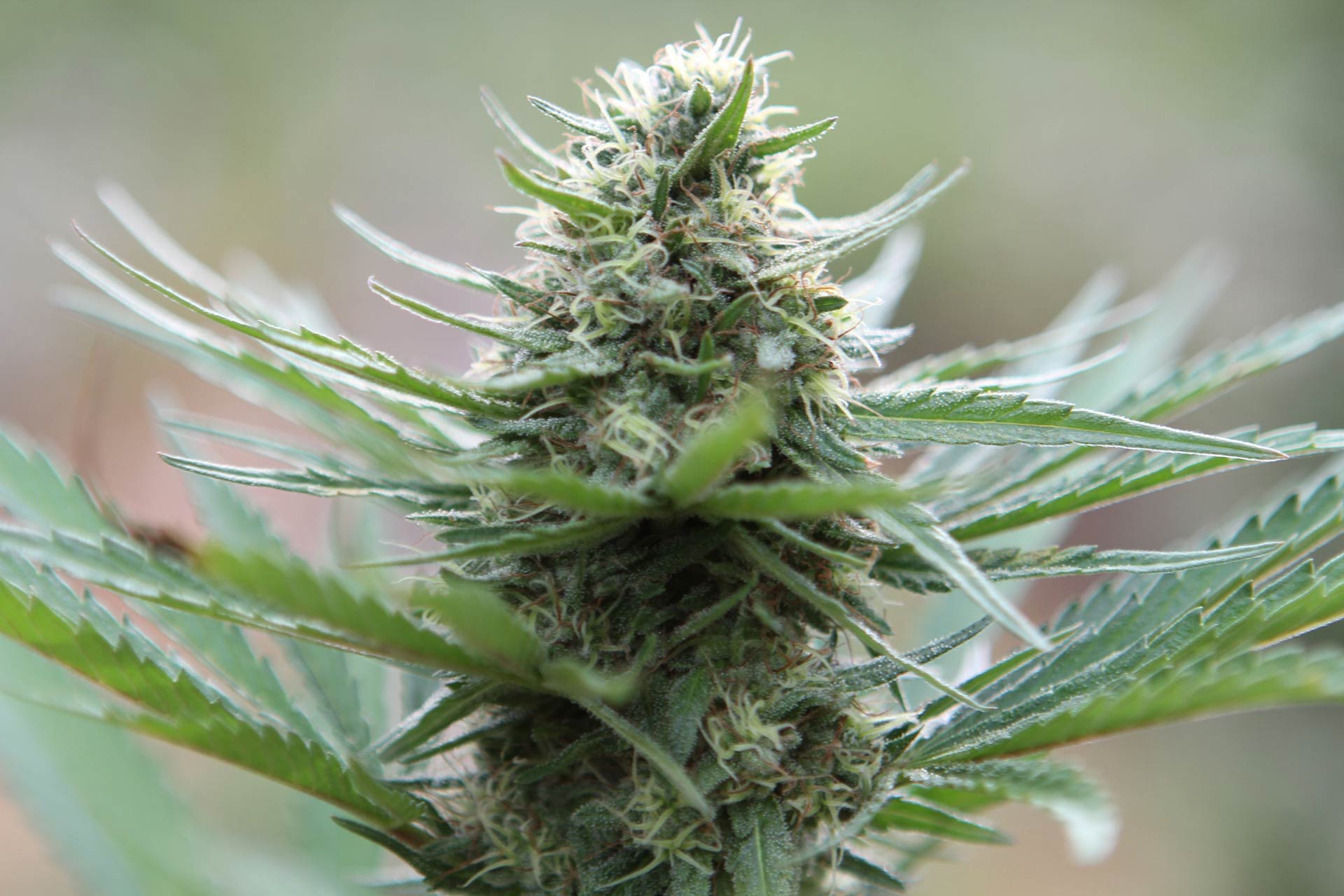
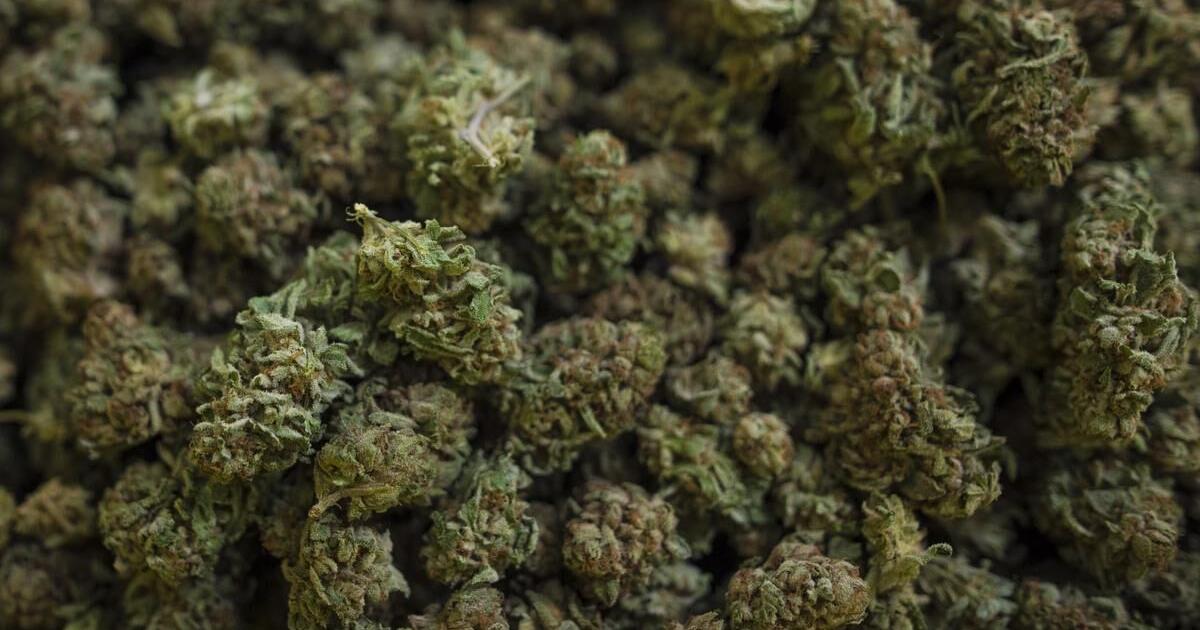
Up close, the buds are legendary: dense, flavorful, trichome-rich nugs with that signature Jamaican potency and terps.
Right Now? A Cultural High with Forward Momentum

As of late April 2026, Jamaica's scene is vibrant and evolving. Herb houses and tours (farm visits, Rasta experiences) cater to tourists, while new permits empower small farmers and communities. It's less about neon party chaos, more about authentic, spiritual, and wellness-focused ganja culture. Challenges remain (gray market competition, full rec still pending), but the boom is real—building an inclusive, respected industry.
If you're heading there, get a medical card, respect the culture (no photos without permission on farms), support licensed spots, and join a ganja tour for the full experience. Jamaica didn't just legalize the plant—it elevated the herb as sacrament and economic hope. Stay irie, stay lifted, and keep reviewing those buds. 🌿🇯🇲 What's your vibe—Negril beach smoke or a hillside Rasta farm tour?
Northeast Field Notes
New Jersey and New York cannabis culture still runs on hallway honesty: budtenders who remember your last cut, growers who will talk cure for twenty minutes, and rooms that feel like rooms instead of bank lobbies.
If you are hitting NECANN carpets or a Cup weekend, watch who clusters near the loudest LED wall — and who finds the quiet tables where the real jars open.
Keep Reading on The Stoner Review
More field notes from the same smoke-stained notebook:
Find more gritty, honest stories, strain reviews, travel guides, and multi-minded stoner perspectives at theStonerReview.com/blog.


