

Chasing the Perpetual State: What Constant Cannabis Smoking Really Does to Your Brain and Body – A Data-Driven Breakdown with Real Stoner Stories
Chasing the Perpetual State: What Constant Cannabis Smoking Really Does to Your Brain and Body – A Data-Driven Breakdown with Real Stoner Stories
In the raw lanes of the stoner lifestyle — dawn surf sessions in Bali, Amsterdam canal floats chasing that perfect indica haze, cross-country strain hunts, or grinding creative flows in a Jersey basement — a lot of us fire up first thing to lock into “the zone.” Euphoria, creativity unlocked, anxiety melted, munchies on point. But when daily smoking becomes the only way to hit that specific headspace, the plant flips the script. This isn’t scare-tactic bullshit. It’s the gritty science pulled from meta-analyses, longitudinal studies, and brain imaging, woven with honest stories from heads who lived it. Let’s unpack the data and the real-life trips so you can navigate your own rotation.

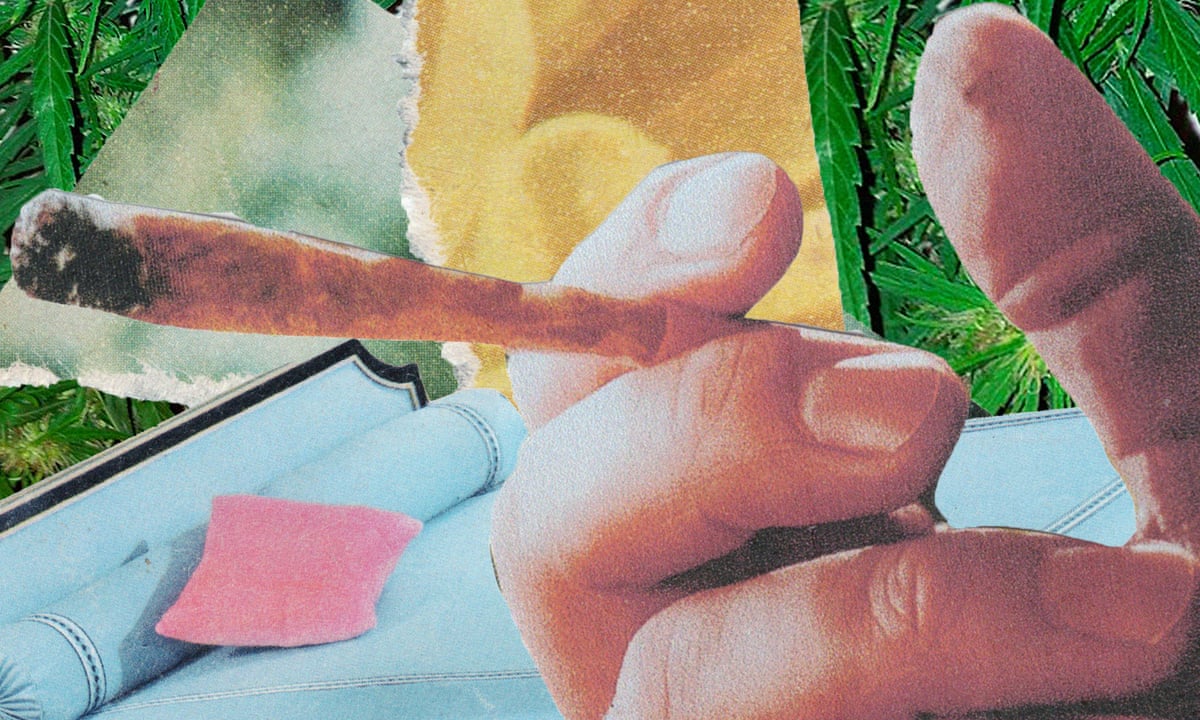

The daily grind captured: That all-day faded couch-lock vibe many chase... until it stops feeling like a choice.
Tolerance: CB1 Receptor Downregulation – The High That Ghosts You
Constant THC floods your endocannabinoid system. CB1 receptors downregulate — fewer of them, less sensitive. A key PET study on daily smokers showed about 15% lower CB1 availability brain-wide. After 2 days off, things start shifting; by 28 days, many normalize. But heavy users often need longer for full reset.
Rodent and human data confirm 20-60% drops in hippocampus, striatum, cortex — key for memory, reward, motivation. Your single joint becomes multiple grams or dabs just to feel baseline. You’re not elevating; you’re patching the dip.

Brain science visual: Mesocorticolimbic circuits and CB1 imaging showing exactly where the downregulation hits hardest.
Story from the trenches: One long-time daily smoker shared: “I smoked morning, noon, and night for nine years. Pot ruled my life. I could quit other stuff for stretches, but not weed. It was how I started and ended every day.” Sound familiar? That chase turns the magic into maintenance.
Dependence & Withdrawal: The Sneaky Crutch
About 30% of past-year users hit Cannabis Use Disorder criteria; daily heads see 25-50%. Withdrawal: 24-48 hours in — irritability, anxiety, brutal insomnia with wild dreams, cravings, appetite crash, mood swings. Peaks days 2-6, fades 2-4 weeks. Meta-analyses say it’s real and drives relapse.
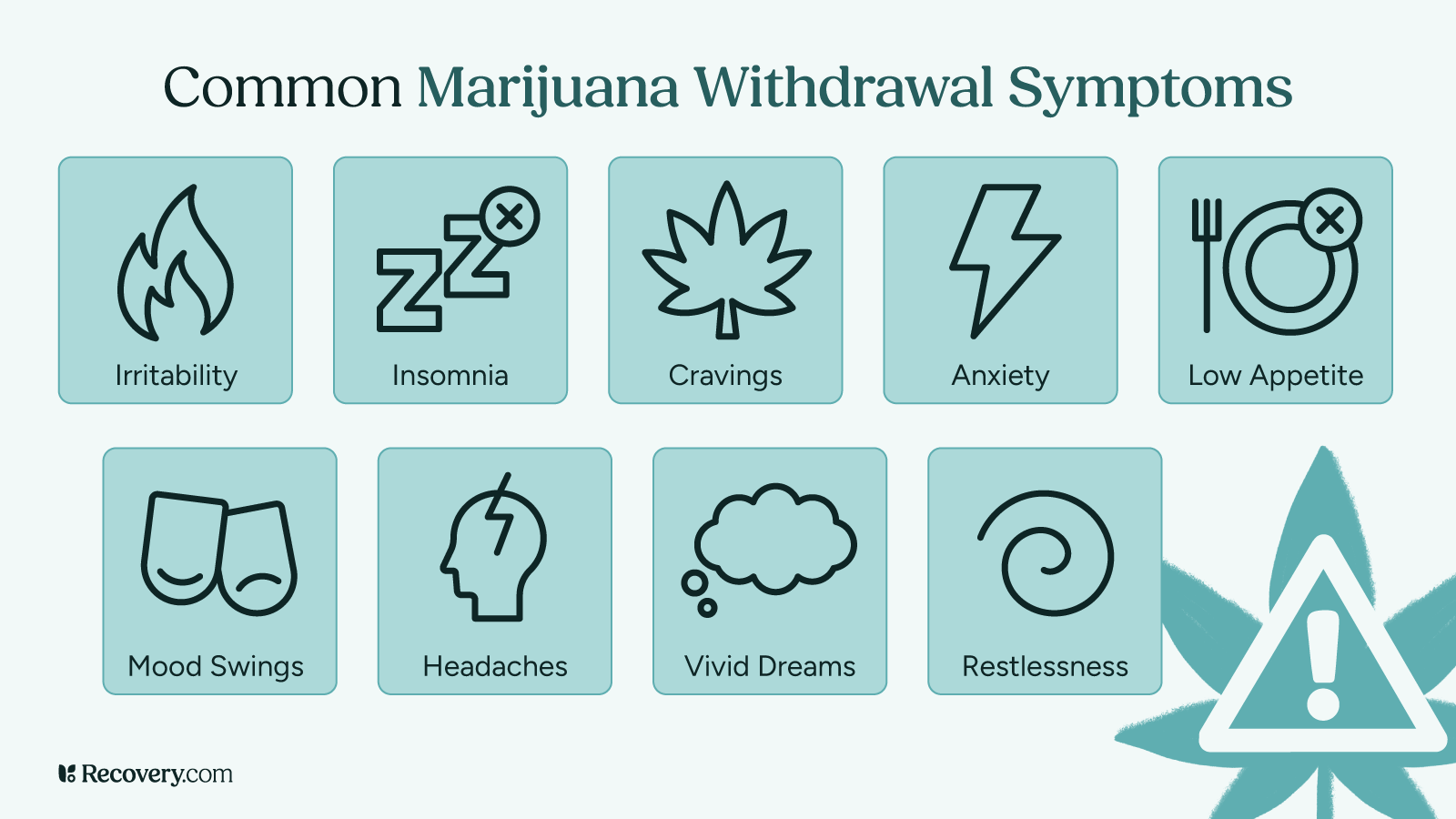
Withdrawal timeline and symptoms — the honest crash many pretend doesn’t hit.
Real talk from survivors: A mother in recovery described quitting after years of daily use: first week was hell — irritable, cravings, emotions she’d numbed rushing back. Another guy kept a diary: slips back into the habit, but pushing through showed clearer life benefits. One head after 15+ years daily: “It’s been hard, but I’m seeing the other side.” These aren’t rare — they’re the gritty underbelly of constant chasing.
Cognitive & Motivational Hits: Memory, Drive, The Long Fade
Meta-analyses show verbal memory and learning take the hardest knocks. Working memory, executive function — small-to-medium deficits. Dunedin study follow-up: heavy users lost ~5.5 IQ points, smaller hippocampi, worse learning/attention than even long-term drinkers. Amotivation isn’t myth for everyone — blunted reward system kills drive for non-weed shit.
Adolescent starters get hit worse. Psychosis risk spikes in vulnerable genetics. Anxiety/depression links are bidirectional but real.
Story reset: Heads who took proper T-breaks report the opposite — sharper focus, deeper natural sleep, actual joy returning. One surfer type said after weeks off: “First session back? Magic. Sunsets hit different when you’re not half-faded missing them.”

The before/after of the chase — that constant smoke vs. the clarity on the other side.
The Honest Stoner-Review Conclusion
Constantly smoking to maintain “a certain state” works... until the data and the lived stories catch up. Tolerance via CB1 drop, dependence that turns tool into crutch, cognitive slippage, motivational fog. The plant that expanded your world on surf trips and Amsterdam adventures starts narrowing it — missed waves, foggy creativity, habitual instead of intentional.
But it’s often reversible. Strategic T-breaks (3-4+ weeks minimum), mindful dosing, strain rotation, vapes/edibles for the lungs. Many legends function high, but more report the culture thriving on presence, not perpetual fade.
This is the real shit that builds loyalty at theStonerReview.com: data + unfiltered stories so you chase better highs, not obligations. Track your baseline. Experiment raw. The lifestyle — destination seshes, merch drops like “Reset & Ride” hoodies — hits infinite when you’re not chained.
What’s your rotation or break story? Drop it. Let’s keep heads getting lost in the honest trip. Stay gritty, stay elevated on your terms. 🔥
Keep Reading on The Stoner Review
More field notes from the same smoke-stained notebook:
Find more gritty, honest stories, strain reviews, travel guides, and multi-minded stoner perspectives at theStonerReview.com/blog.


