

Feminized Seed Genetics: How They Deliver Near-100% Female Cannabis Plants & Premium Seedless Buds
Feminized seed genetics represent one of the most significant advancements in modern cannabis cultivation, delivering near-100% female plants that produce the resinous, seedless buds cultivators and consumers demand.
By eliminating the need for extensive sexing in most scenarios, these seeds streamline operations and maximize harvest efficiency. At theStonerReview.com, we examine the science, methods, benefits, and honest limitations without industry gloss—because understanding the genetics behind your seeds directly impacts the quality of your grow and the authenticity of the experience.

PAIN KILLER Unisex Hoodie
Culture-first hoodie — soft, loud graphic, no gift-shop energy.
Shop Now →How Feminized Seeds Are Produced
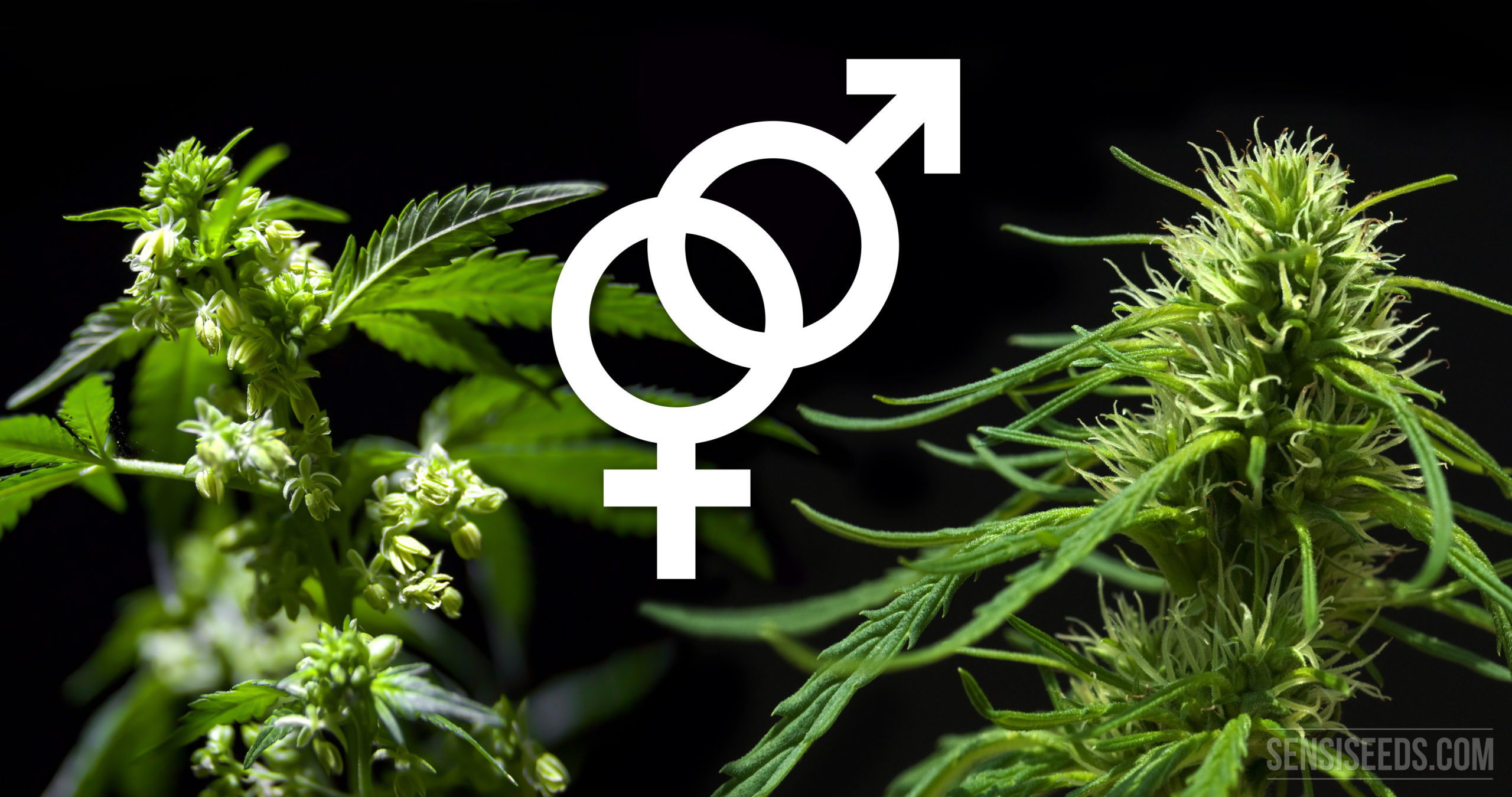
Feminized seeds result from breeding techniques that ensure offspring inherit only female (XX) chromosomes. Breeders induce a genetically female plant to develop male pollen sacs, then use that pollen to fertilize another female.
Primary methods:
- Silver Thiosulfate (STS) or Colloidal Silver: These ethylene inhibitors suppress female flower development, prompting pollen production on a female plant. STS is widely regarded as highly effective for high-THC cultivars when applied correctly (e.g., single 3mM foliar dose in veg).
- Rodelization: Stress-induced (e.g., extended flowering) natural hermaphroditism—older, less controlled method that can carry higher instability risks.
- Gibberellic Acid: A more environmentally friendly alternative in some protocols.
The resulting pollen carries only X chromosomes, so seeds from female × “reversed female” crosses are predominantly female.


Pros and Cons: The Real-World Balance
Advantages:
- 95–99%+ female ratio in quality lines, reducing sexing labor and wasted space.
- Ideal for photoperiod grows where maximum bud production matters.
- Consistent flower quality when sourced from reputable breeders who stress-test and stabilize lines.
Limitations and Risks:
- Hermaphroditism potential: The reversal process involves stressing a female plant. Poorly executed lines or genetically unstable parents can pass on intersex tendencies, especially under environmental stress (light leaks, heat, nutrients). Modern professional production minimizes this through rigorous selection, but it is not zero.
- Reduced genetic diversity compared to regular seeds in some cases, as they derive from female-only lineages.
- Not suitable for breeding new lines if you need males for future crosses.
- Higher cost and reliance on breeder integrity.
Comparison Table (Feminized vs. Regular Seeds):
| Aspect | Feminized Seeds | Regular Seeds |
|---|---|---|
| Sex Ratio | ~95–99% female | ~50% male / 50% female |
| Best Use | Production grows, sinsemilla focus | Breeding, genetic preservation |
| Hermie Risk | Low in stable lines; higher if stressed | Lower baseline, but depends on genetics |
| Yield Efficiency | High (no culling males) | Requires sexing; males useful for breeding |
| Genetic Stability | Excellent when properly stabilized | Broader diversity |

Practical Advice for Growers
Source from established seed banks with transparent breeding records and low reported hermie rates. Test small batches in your environment—stable genetics perform reliably, but no seed is immune to poor conditions. Combine with the sexing, light-leak prevention, and hermaphrodite monitoring practices we’ve discussed previously.
Feminized genetics power the consistent, high-quality flower that defines premium cannabis experiences, from Amsterdam coffeeshops to global destinations. They align perfectly with efficient indoor or controlled outdoor runs, freeing time for strain exploration and the lifestyle elements that build reader loyalty at theStonerReview.com.
This honest breakdown—science-backed yet grounded in cultivation realities—helps our audience make decisions that elevate their grows and reinforce trust in our brand. Whether you’re scaling production or curating unique genetics for merchandise-inspired content, quality feminized lines are a powerful tool.

Share details about the strains or setups you’re considering, and we’ll provide targeted insights. What’s your next project—photoperiod feminized for big yields, or something else? Let’s build the authoritative resource together.
Environment Beats Hype Genetics
Fancy seeds will not save a tent with light leaks, wild VPD, or lazy dry-backs. Dial environment first: stable lights-off temps, honest airflow, and a dry that does not rush the plant into hay. Genetics matter — but only after the room stops lying to you.
Document every run. The growers who improve are the ones who write down what actually happened, not what the forum promised.
Harvest Timing Without the Myths
Trichomes tell more truth than calendar apps. Cloudy with a measured amber percentage beats harvesting because you got impatient. Cure is half the product. If you rush jars, you erase months of work in a week.
Keep Reading on The Stoner Review
More field notes from the same smoke-stained notebook:
Find more gritty, honest stories, strain reviews, travel guides, and multi-minded stoner perspectives at theStonerReview.com/blog.


