

Intelligence Dispatch: The Elevated Symphony – Why Chinese Cuisine Tastes Profoundly Better When Elevated theStonerReview.com | Spring 2026 Edition
Intelligence Dispatch: The Elevated Symphony – Why Chinese Cuisine Tastes Profoundly Better When Elevated theStonerReview.com | Spring 2026 Edition
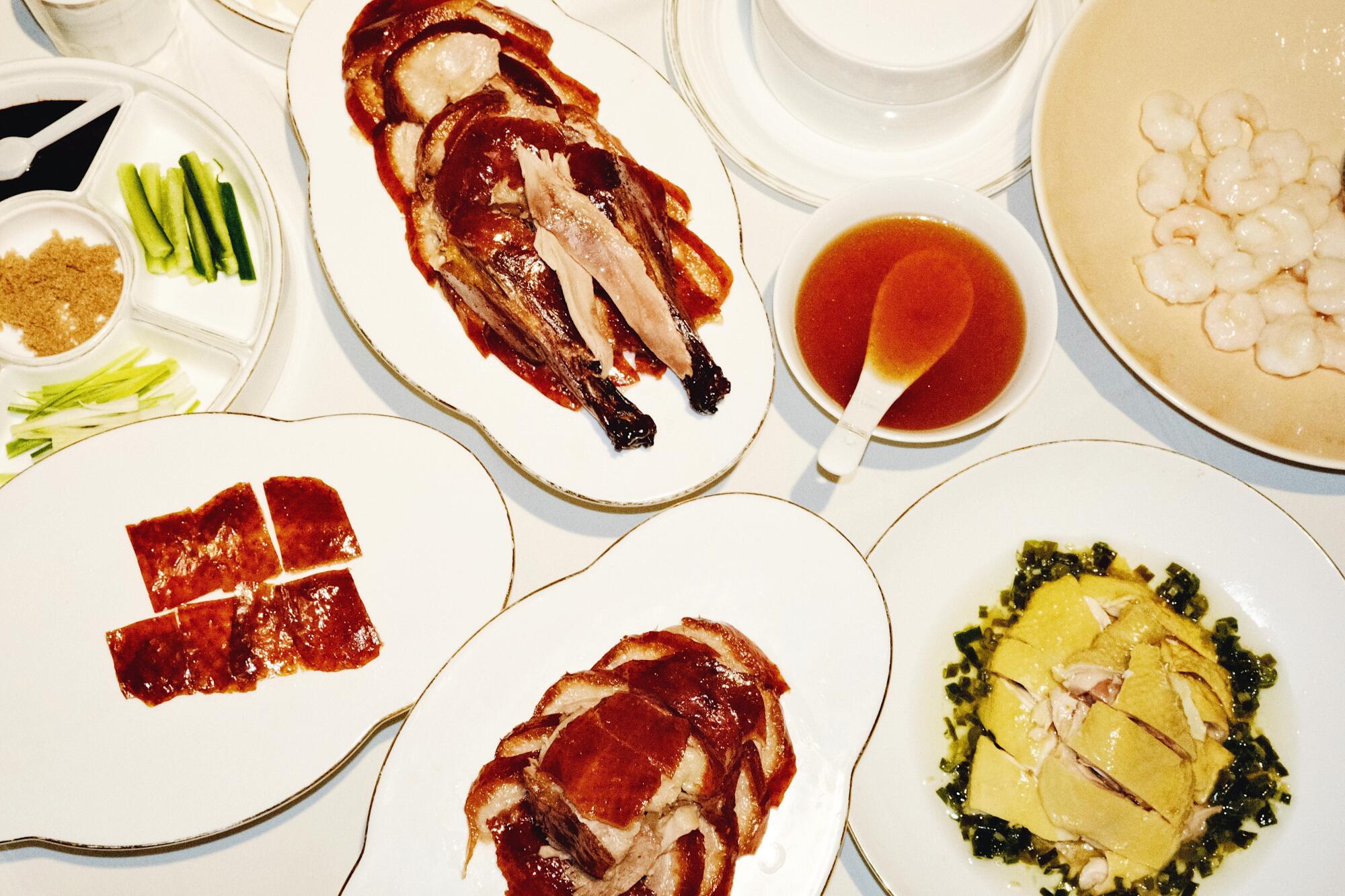
For the discerning connoisseur, few pairings rival the alchemy that unfolds when premium cannabis meets the layered artistry of Chinese gastronomy. The savory depth of Peking duck, the delicate steam-kissed nuance of xiao long bao, the umami symphony of mapo tofu or garlic-scented greens—each bite transforms into something transcendent. This is no mere munchies phenomenon; it is a refined sensory elevation rooted in neurochemistry, cultural harmony, and intentional curation.

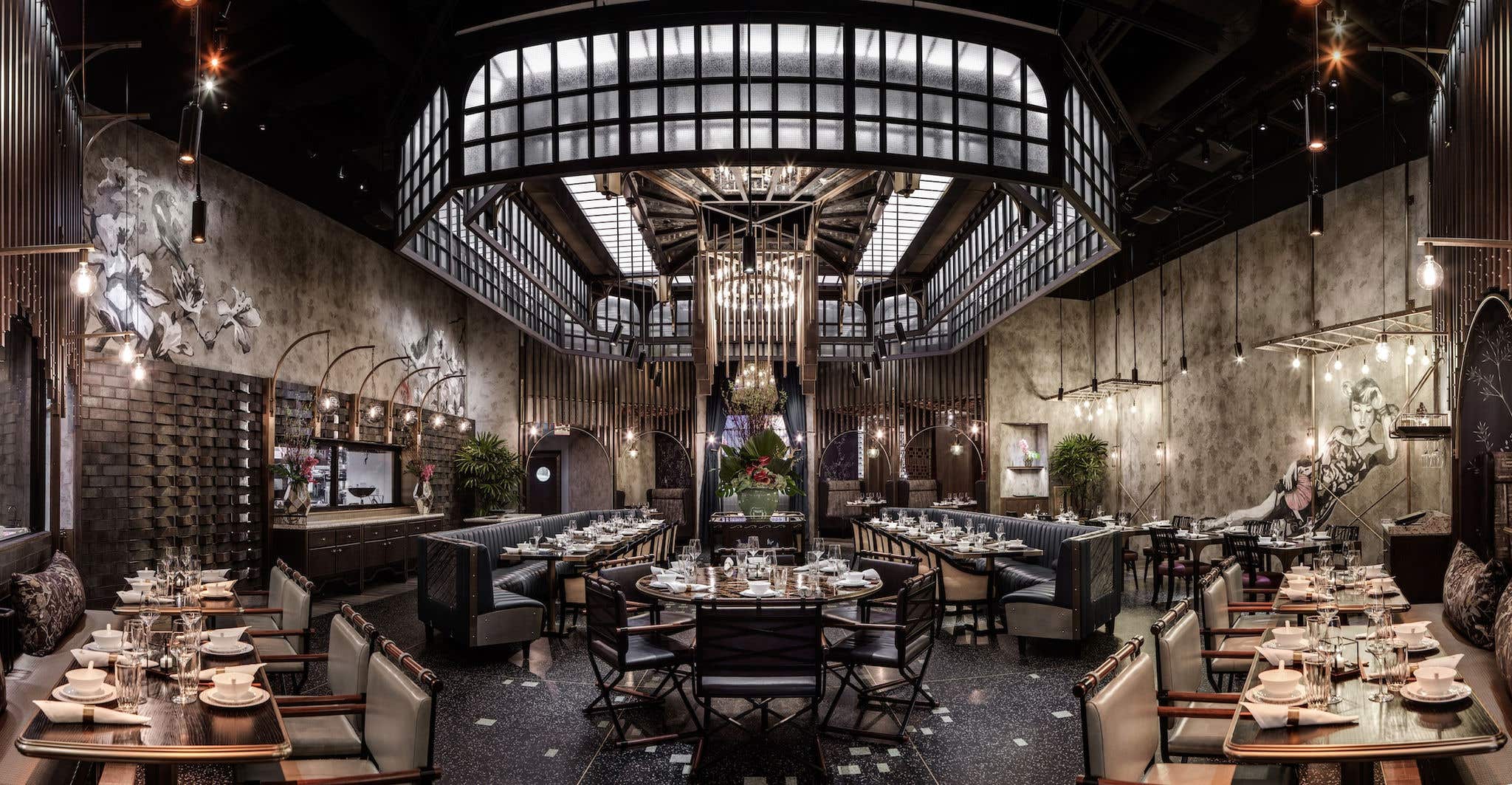
The Neuroscientific Foundation THC interacts with the endocannabinoid system to heighten olfactory sensitivity via receptors in the brain’s olfactory bulb. Since flavor is predominantly aroma-driven (up to 80% in many experiences), this amplification turns ordinary notes into vivid, multi-dimensional revelations. Studies, including landmark 2014 research in Nature Neuroscience, demonstrate that cannabinoid activation enhances odor detection, making complex profiles—sweet, salty, spicy, fermented—more pronounced and pleasurable.
Chinese cuisine excels here. Its hallmark balance of umami (from fermented soy, dried mushrooms, and aged vinegars), Maillard-browned crisp textures, chili heat, and aromatic five-spice blends provides an ideal canvas. THC further boosts dopamine release in reward centers when encountering fatty, savory, or sweet elements—precisely the profiles dominant in dishes like crispy duck, stir-fried beef with black bean, or sesame-glazed delights.

Why Chinese Specifically Resonates The cuisine’s layered complexity—multiple textures in one bite, contrasting temperatures, aromatic volatility—aligns perfectly with cannabis-heightened perception. Hot broths release volatile compounds more intensely; steamed dumplings concentrate delicate ginger-scallion notes; chili oils and fermented elements deliver lingering finish that lingers in an amplified sensory field. Many aficionados report particular affinity for Sichuan peppercorn’s numbing tingle or Cantonese seafood’s oceanic freshness, experiences that feel almost synesthetic when elevated.
Strain Intelligence for Optimal Pairing Terpene profiles matter profoundly. Myrcene-rich indicas (sedating, earthy) complement hearty braises; limonene-dominant sativas (citrusy, uplifting) elevate brighter Cantonese seafood or dim sum. Pinene or caryophyllene strains can cut through richness while enhancing herbal aromatics. Private sessions with heritage cultivars allow precise matching—imagine a subtle linalool-forward flower alongside delicate tea-smoked preparations.

Fashion & Ritual Intelligence This experience calls for quiet luxury: flowing hemp-silk robes or tailored linen sets in neutral palettes with subtle botanical threading, perfect for private dining rooms or estate terraces. Concierge-curated deliveries from Michelin-recognized Chinese establishments, paired with private sommelier-level cannabis selection, transform the ritual into an event of refined indulgence. Always prioritize legal, high-quality sources and responsible consumption.

At theStonerReview.com, we illuminate these intersections of cannabis and elevated living—pairing neuroscientific insight with glossy, aspirational visuals and subscriber-exclusive itineraries to private tasting experiences in cannabis-forward enclaves. The result is loyalty born of genuine discovery.
Nose First, Percentage Second

Lab printouts are useful. They are not the whole story. A cut that smells loud, cured clean, and burns white will outperform a bigger THC number that tastes like cardboard. Ask for the nose. Ask who grew it. Ask what the jar smelled like when it opened — not just what the sticker claims.
At The Stoner Review we score what we actually smoke: flavor, effect shape, ash, and whether we would buy it again with our own money. That is the difference between a menu write-up and a field note.
How We Session It
We start light, then push the dose once the terp profile is clear. Daytime cuts get daylight tests. Heavy indica leaners get evening runs. If a pre-roll or flower cannot survive a real session without canoeing, harshing, or disappearing into generic haze, it does not get a free pass from marketing copy.
Keep notes. Compare against last month's shelf. The culture moves fast; your memory should move with it.
Keep Reading on The Stoner Review
More field notes from the same smoke-stained notebook:
Find more gritty, honest stories, strain reviews, travel guides, and multi-minded stoner perspectives at theStonerReview.com/blog.


