

Jungle Boys: The Jungle That Took Over Cannabis Culture
Jungle Boys: The Jungle That Took Over Cannabis Culture
 New York City, May 2026 – Jungle Boys is one of the most respected and influential independent cannabis collectives in the United States. Known for obsessive pheno-hunting, clean cultivation, rare genetics, and a no-compromise approach to quality, the brand has built a loyal following from Los Angeles streets to Florida dispensaries and beyond. What started as a small crew of passionate growers has become a premium powerhouse with proprietary strains, multiple retail locations, seeds, and a cult-like reputation among connoisseurs.

Origins: LA Roots and Pheno Obsession (2006 Onward)
Jungle Boys traces its beginnings to Los Angeles around 2006, when breeders Ivan and Juice (often referred to as the core duo) started collaborating as a tight-knit collective. Driven by a singular mission — to grow the cleanest, most potent cannabis possible — they focused relentlessly on pheno-hunting: selecting and stabilizing standout plants from massive seed populations.
Unlike brands chasing trends or volume, Jungle Boys prioritized genetics above all. They built an extensive library (now boasting over 500 rare cultivars) by crossing elite lines and hunting exceptional phenotypes. Early success came from strains like WiFi 43 (White Fire #43), Han Solo, and other fire indoor grows that earned underground respect in the LA scene.
Breakthrough Strains and Rise to Prominence
Jungle Boys gained mainstream traction through standout cultivars that delivered consistent excellence:
- WiFi 43 — A legendary indica-leaning hybrid known for potency and flavor.
- Gary Payton, London Pound Cake, Cereal Milk, and crosses like Zudz or Coma that showcase their breeding prowess.
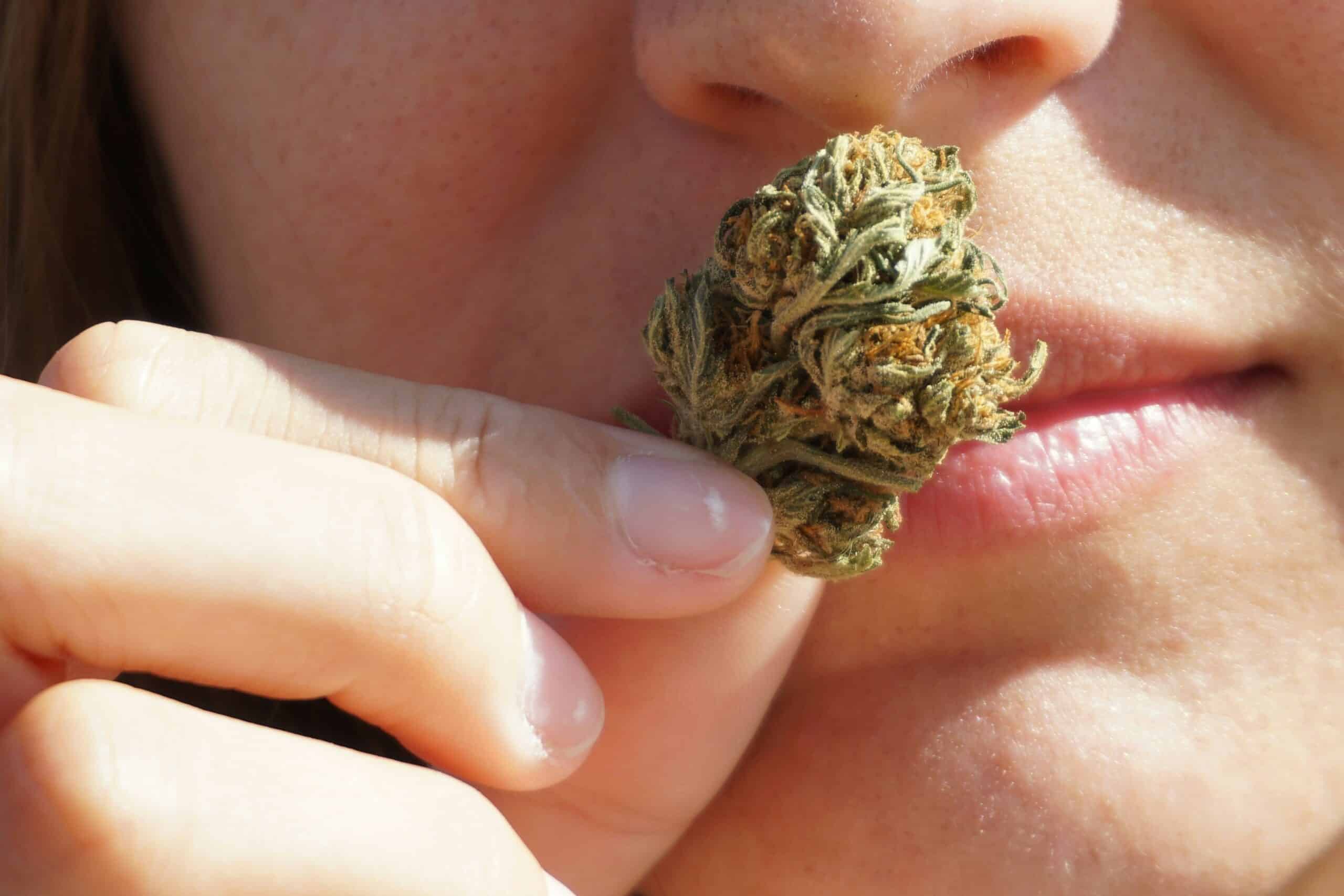
- Signature terp profiles: sweet, creamy, gassy, fruity, and complex — always with clean, smooth smoke.
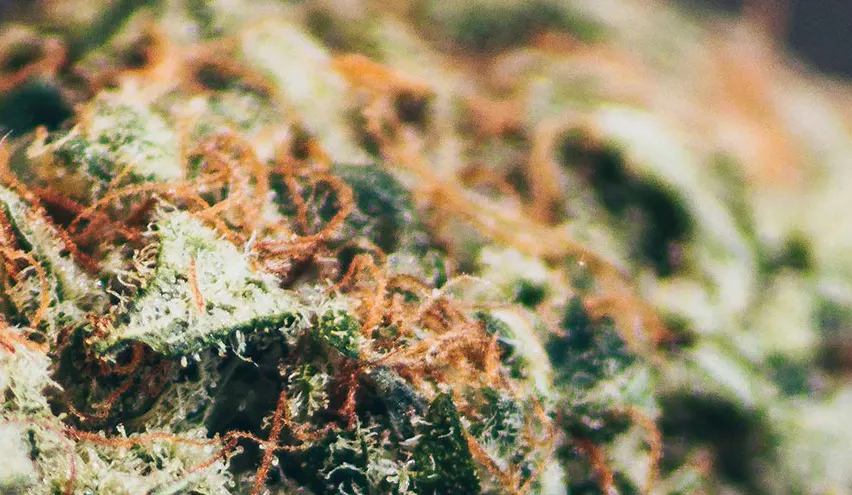
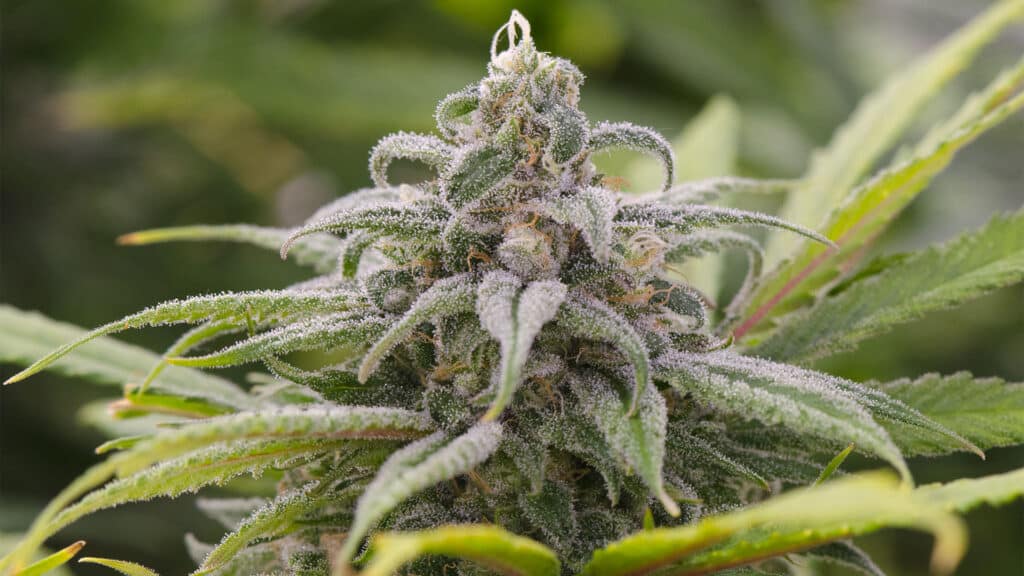
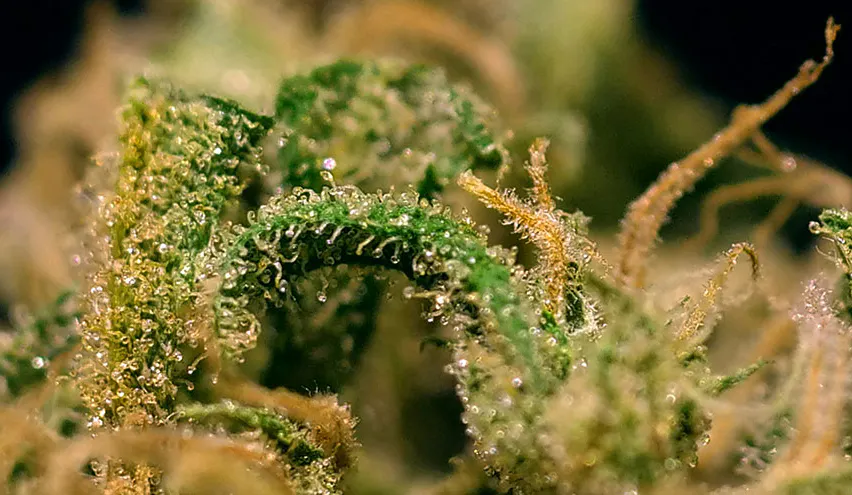
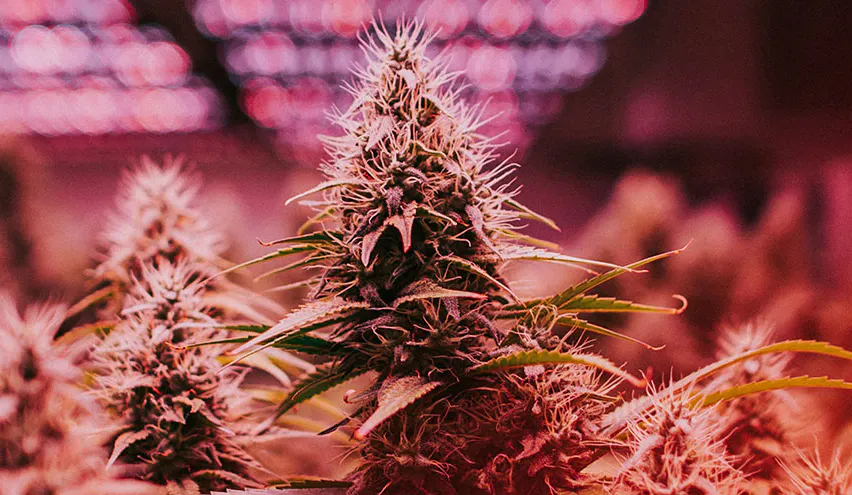
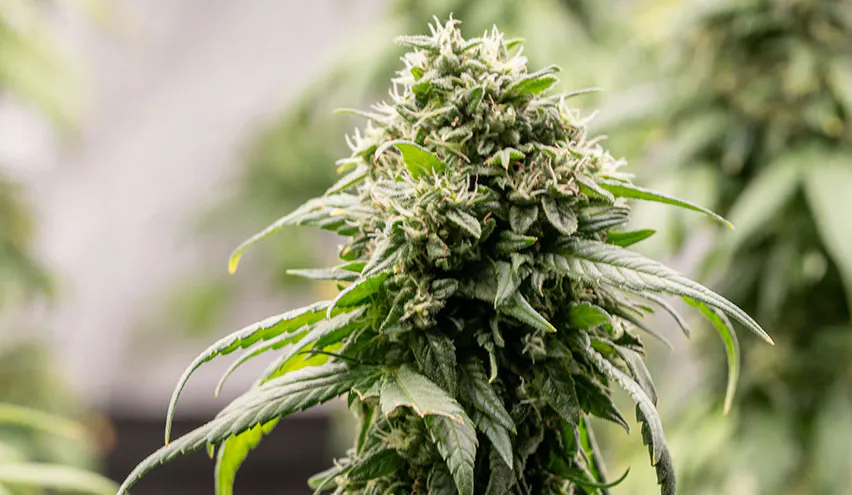
Their indoor grows, often using premium lighting (Luxx) and nutrients (Athena), produce dense, trichome-heavy buds that consistently test in the high 20s to low 30s% THC with strong terps. The brand’s ethos — “grow clean and potent” — resonated in a market flooded with mids.
Expansion: Retail, Florida, and National Footprint
Jungle Boys expanded strategically:
- Multiple California locations and strong wholesale presence.
- Major move into Florida’s medical market, opening dispensaries and becoming a top name for patients seeking premium flower.
- In-house seeds, concentrates, vapes, edibles, and apparel that extend the “Jungle” lifestyle.
- By 2026, they operate coast-to-coast with a reputation for consistency even as the industry consolidates.
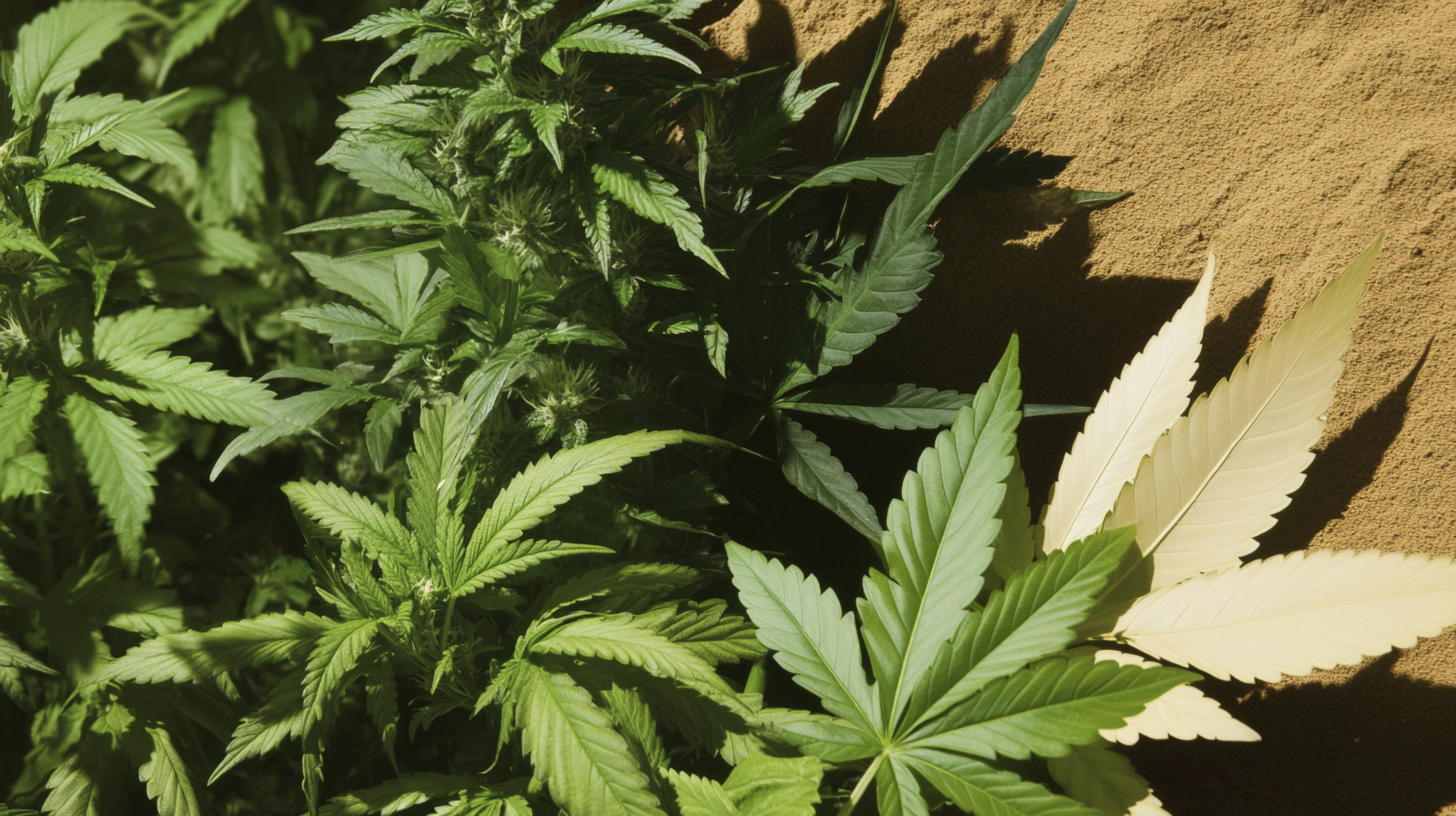
The collective maintains independence while scaling thoughtfully, emphasizing in-house cultivation and direct quality control.
What Sets Jungle Boys Apart
- Pheno-Hunting Obsession: They pop thousands of seeds to find the one elite plant.
- Genetics Library: Massive vault of rare and heirloom-influenced lines.
- Clean Cultivation: Focus on living soil, proper environments, and minimal shortcuts.
- Cultural Authenticity: Rooted in LA hustle, music, and street culture without over-commercializing.
- Community & Legacy: Emphasis on education, quality over quantity, and long-term breeding.

Final Verdict: 9.4/10 Jungle Boys represents the gold standard for genetics-first cannabis. In an era of corporate grows and hype-driven marketing, they deliver on flavor, potency, and consistency — earning respect from everyday smokers and serious cultivators alike.
Pro tip for The Stoner Review readers: When you see Jungle Boys on a shelf, go for fresh drops of their signature crosses (ask budtenders for current heat). Their flower shines best in flower form or live rosin. Support brands that still obsess over phenos — it shows in every jar.
Stay informed. Stay lifted. Visit theStonerReview.com from the heart of New York City for more brand deep-dives, strain spotlights, and cultivation stories. Which Jungle Boys strain or another brand should we profile next? Drop it in the comments!
Field Notes, Not Brochure Copy
The Stoner Review writes from the smoke spot: what burned clean, what tasted like marketing, and what we would spend on again. If a claim cannot survive a real session, it does not survive our page.
How to Read This Like a Head
Take what helps. Ignore the flex. Cross-check jars with your own nose. The best cannabis writing should make you a sharper shopper, not a louder commenter.
Stay in the Room
Algorithms throttle. Brands rebrand. The circle outside still decides who gets the next light based on whether you feel real. Keep showing up for the culture that still remembers where it came from.
Keep Reading on The Stoner Review
More field notes from the same smoke-stained notebook:
Find more gritty, honest stories, strain reviews, travel guides, and multi-minded stoner perspectives at theStonerReview.com/blog.


