

No New Warrantless Domestic Surveillance Powers for US Citizens in the One Big Beautiful Bill Act By The Stoner Review – May 2026
No New Warrantless Domestic Surveillance Powers for US Citizens in the One Big Beautiful Bill Act By The Stoner Review – May 2026
In the heated national debate over privacy versus security, many everyday Americans are asking a pointed question about President Trump’s landmark legislation: Does the One Big Beautiful Bill Act (OBBBA), signed with fanfare on July 4, 2025, open the door to expanded government surveillance on regular US citizens? The short answer is no—the bill does not grant broad new warrantless spying authorities inside the United States.

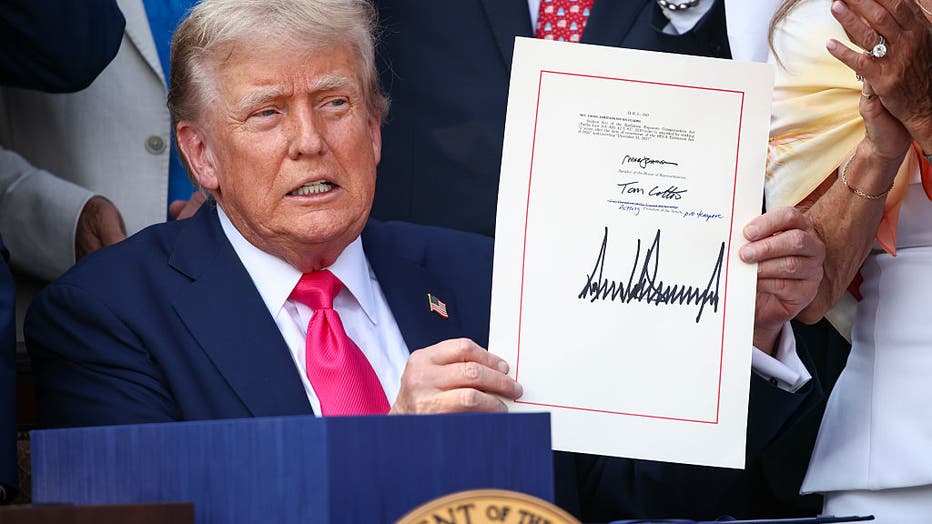
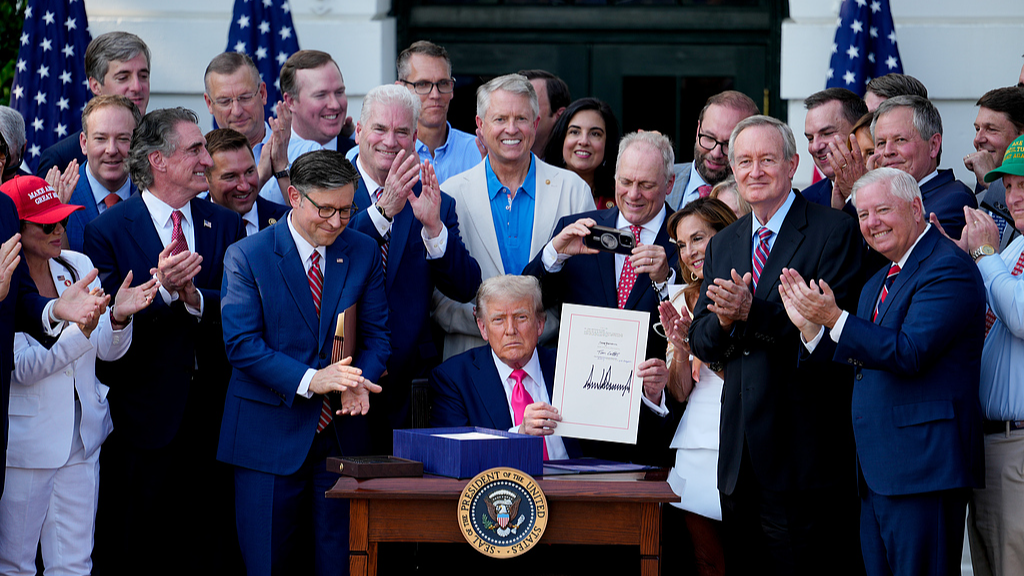
The massive reconciliation package focuses primarily on tax cuts, spending reductions, border enforcement, and entitlement reforms. While it funnels significant funding into border security technology, it stops short of rewriting domestic surveillance laws like FISA Section 702 or creating new tracking mandates for American citizens’ phones, internet use, or daily movements.

Border Tech Boost: Where the Real Changes Live
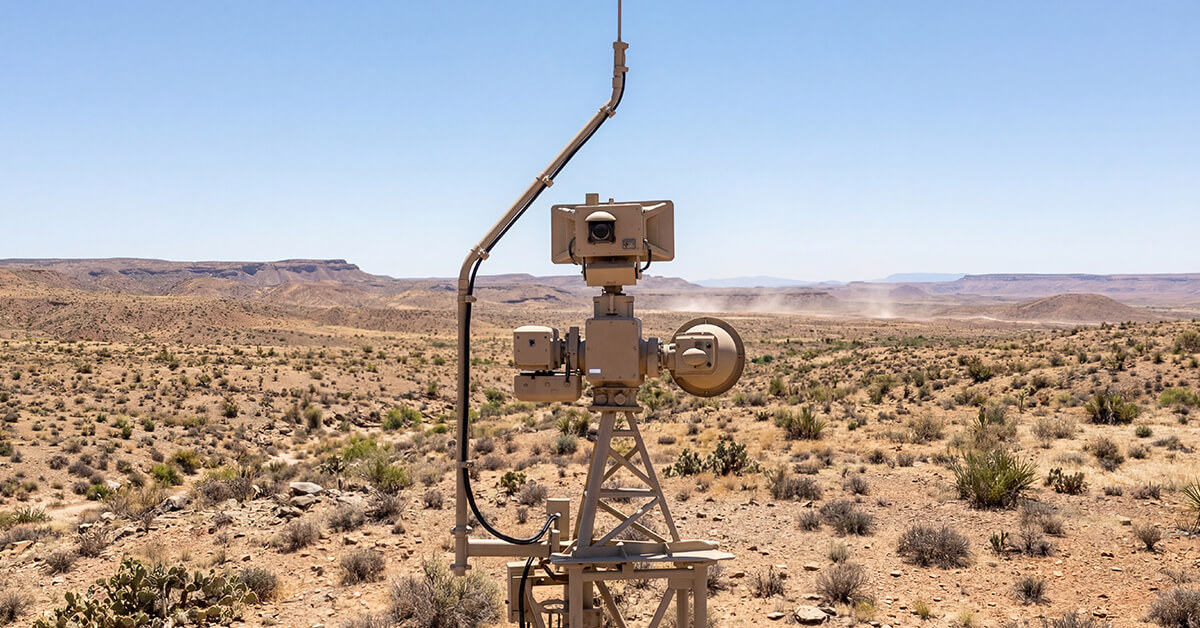
OBBBA allocates billions—roughly $6.2 billion—for advanced border security tools. This includes:
- Autonomous Surveillance Towers equipped with AI, cameras, and sensors.
- Expanded biometric systems for entry-exit tracking.
- Data integration across DHS and law enforcement databases.
These investments target illegal crossings, trafficking, and non-citizen threats, primarily along the southern border and at ports of entry.

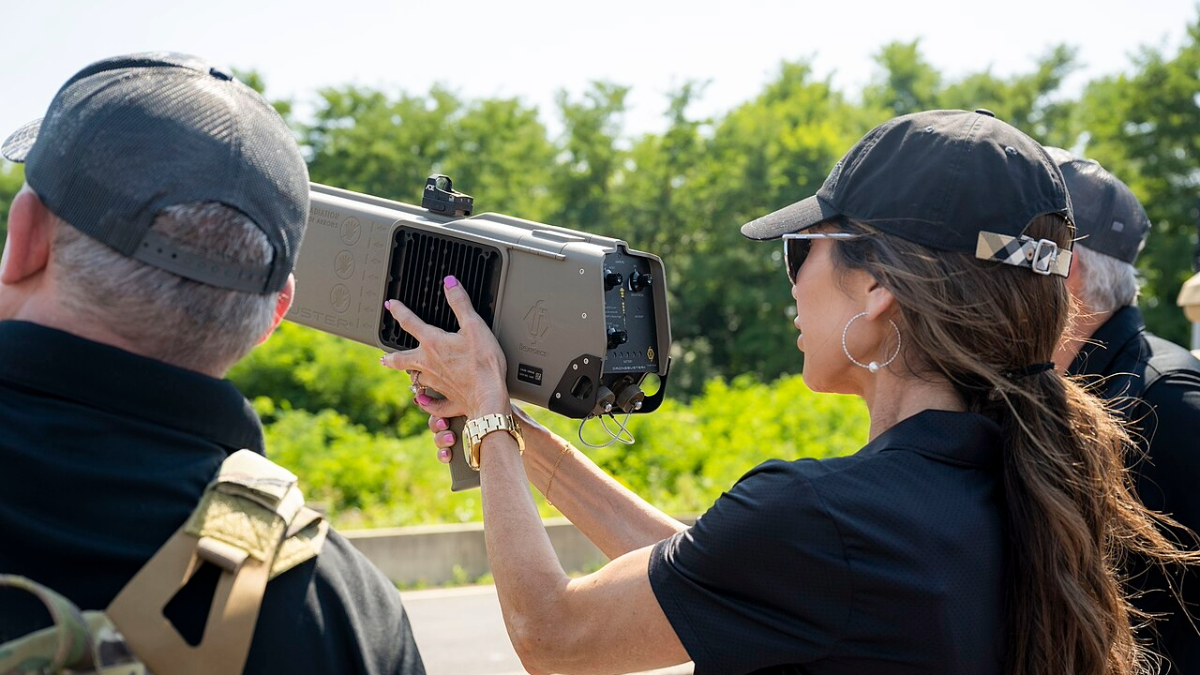
For US citizens living far from the border, daily life—commutes, online activity, phone calls—remains unaffected by new federal mandates under this law. However, critics raise valid concerns about “mission creep”: data collected at borders or during travel could potentially feed into broader systems, and facial recognition errors or incidental collection of Americans’ information have sparked privacy worries in the past.
What’s NOT in the Bill
Importantly, OBBBA does not:
- Amend core domestic surveillance statutes to allow warrantless bulk collection on citizens.
- Require VPN logging, social media monitoring, or protest tracking for Americans.
- Create a national biometric database aimed at everyday residents.
Those issues often get conflated with separate, ongoing battles over FISA reauthorizations or other national security proposals that were not folded into this reconciliation package.
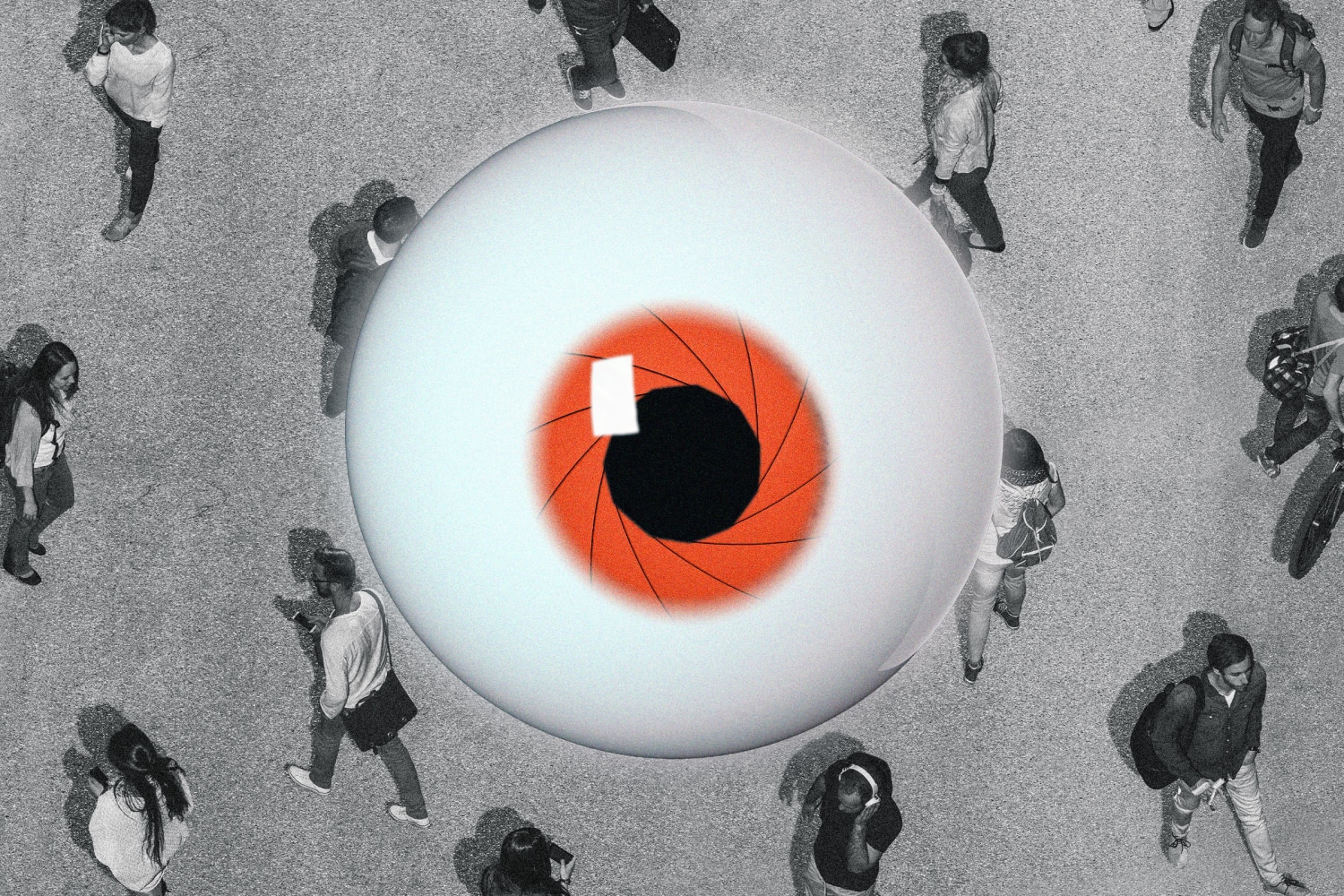
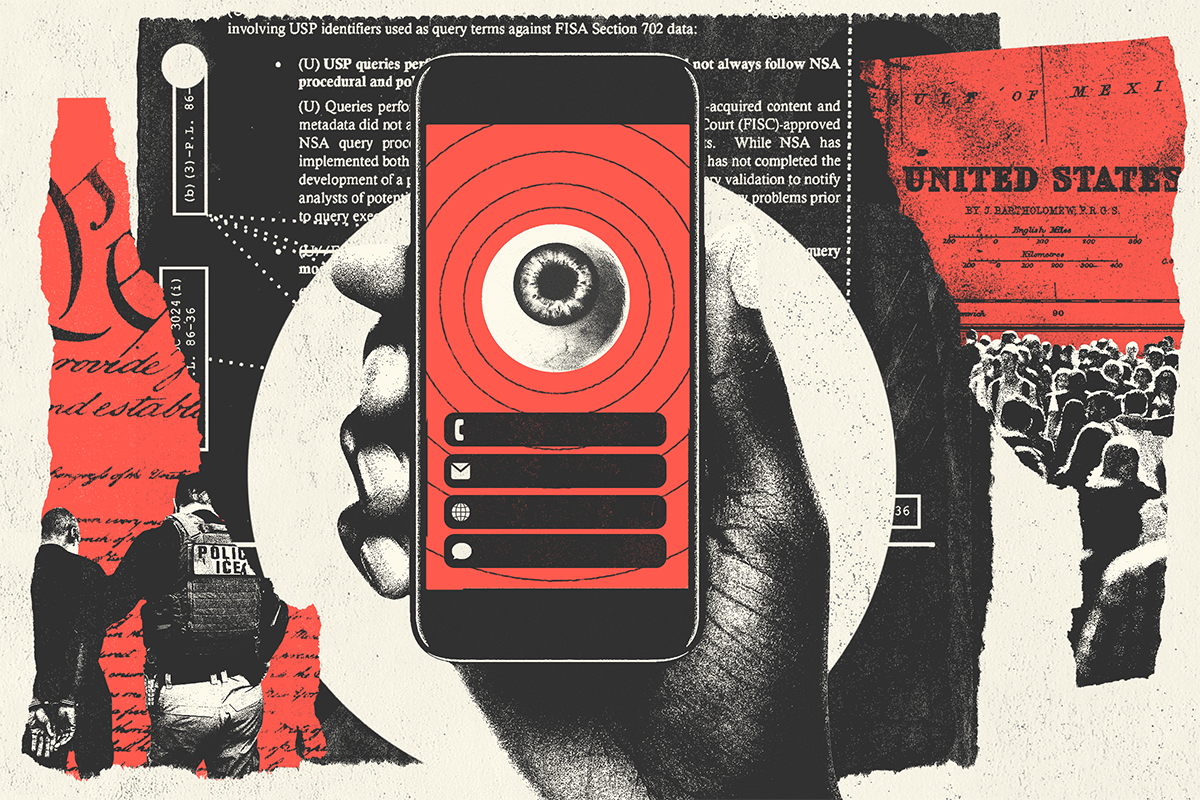
The Privacy Trade-Off in Everyday Terms
Supporters of the bill frame the border tech as essential for national security without infringing on citizens’ rights. Opponents worry that pouring resources into AI-driven surveillance infrastructure normalizes a heavier government footprint that could expand over time, especially as technology improves.
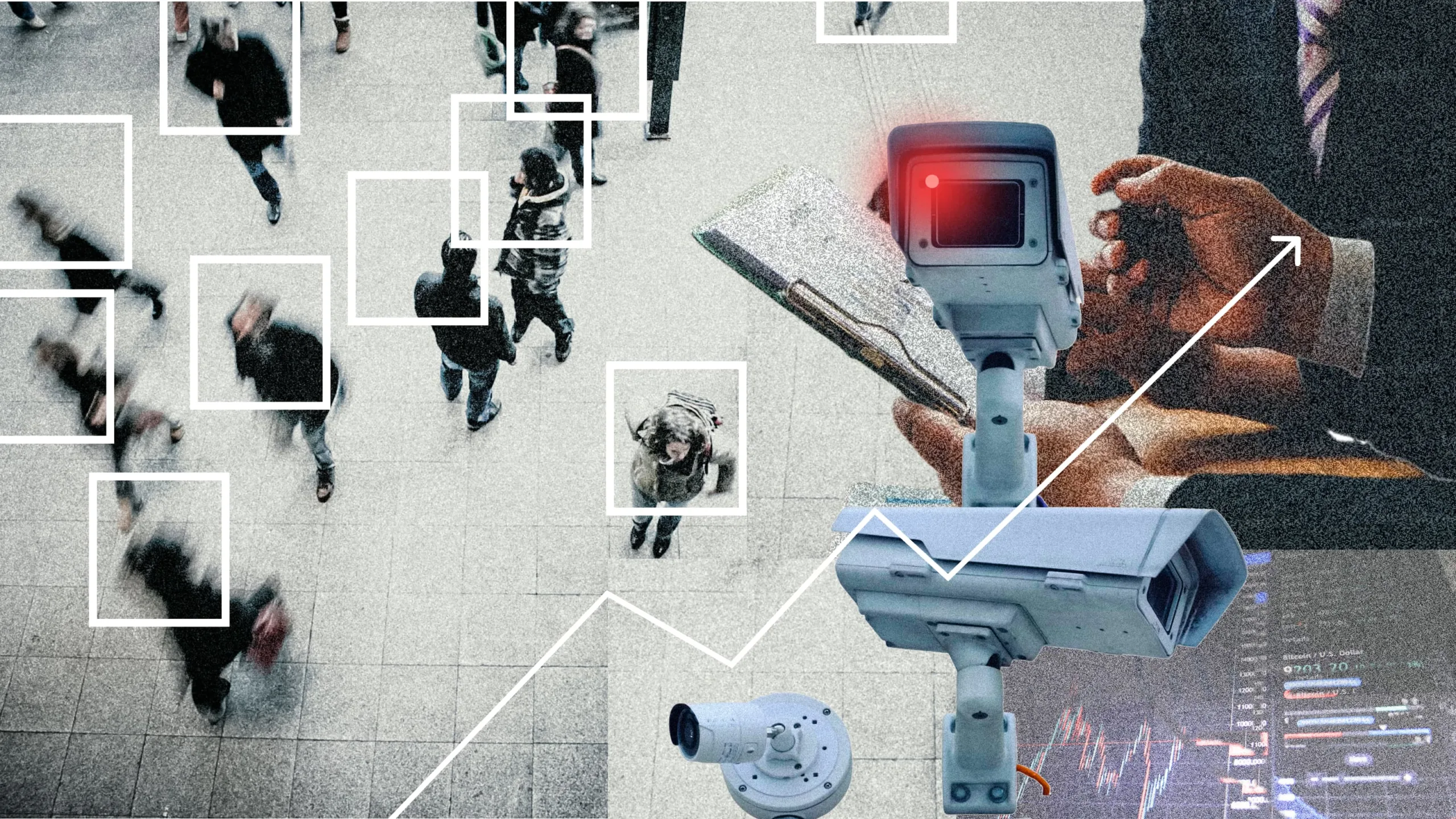

Bottom Line for Everyday People: If you’re a US citizen going about your business—working, raising a family, traveling domestically—the One Big Beautiful Bill Act does not unleash new Orwellian eyes on your life. The surveillance enhancements are concentrated at the borders and focused on immigration enforcement. That said, in an era of rapidly advancing tech, staying informed about data privacy, using encryption tools where appropriate, and supporting transparent oversight remains smart for all Americans.
The debate over balancing security and liberty didn’t end with this bill—it’s ongoing. What’s your biggest concern when it comes to government surveillance and personal privacy? Share in the comments below—we’re keeping it real and tracking how these policies play out on the ground.
Sources: Congressional summaries of OBBBA, DHS funding details, independent privacy analyses. Always consult legal experts for specific concerns.
Nose First, Percentage Second
Lab printouts are useful. They are not the whole story. A cut that smells loud, cured clean, and burns white will outperform a bigger THC number that tastes like cardboard. Ask for the nose. Ask who grew it. Ask what the jar smelled like when it opened — not just what the sticker claims.
At The Stoner Review we score what we actually smoke: flavor, effect shape, ash, and whether we would buy it again with our own money. That is the difference between a menu write-up and a field note.
How We Session It
We start light, then push the dose once the terp profile is clear. Daytime cuts get daylight tests. Heavy indica leaners get evening runs. If a pre-roll or flower cannot survive a real session without canoeing, harshing, or disappearing into generic haze, it does not get a free pass from marketing copy.
Keep notes. Compare against last month's shelf. The culture moves fast; your memory should move with it.
Keep Reading on The Stoner Review
More field notes from the same smoke-stained notebook:
Find more gritty, honest stories, strain reviews, travel guides, and multi-minded stoner perspectives at theStonerReview.com/blog.


